

The 19th-century spiritualist movement promised contact with the dead. Today’s AI grief tech is reviving that promise in unsettling new ways.
Science + Tech – Articles, Analysis, Comment
Displaying 101 - 125 of 6918 articles

The modern scientific consensus is that your unconscious mind does the heavy lifting.

The AI model built by OpenAI attacked the website Hugging Face.

Larry has watched seven prime ministers come and six of them go.
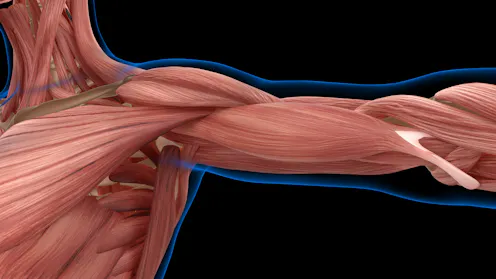
Coordination appears to emerge spontaneously from muscle fibres.
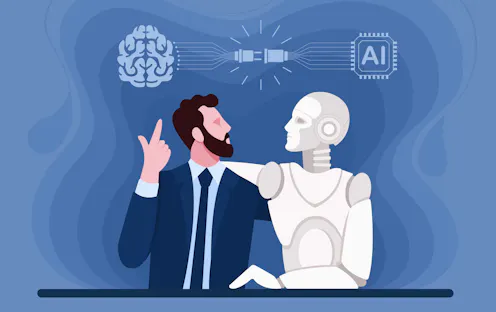
Why AI companies are so fond of the prefix ‘co’.

And why you should let them share your picnic ham and jam.
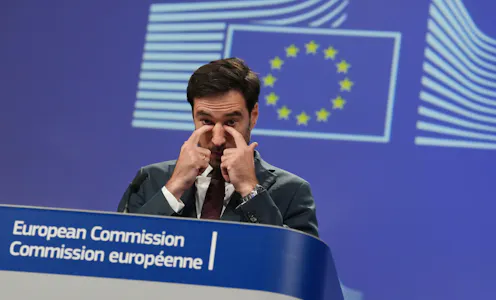
The rate of AI development creates a significant enforcement problem.

A common misconception is that deletion equals total erasure. This is largely wrong.

Stonehenge has captured popular imagination for generations.
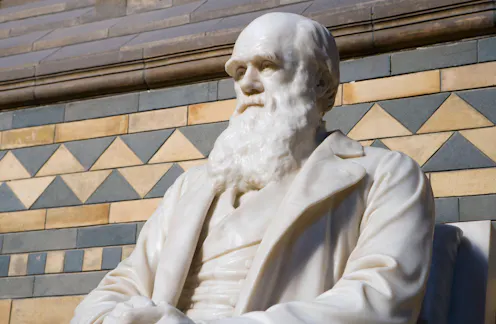
To make sense of some characteristics that species exhibit from birth, you have to turn to an old discredited theory known as Lamarckism.

When AI renders antiquity, it’s not reaching back into history, it’s reaching for the average of every image ever made about it.

What if today’s ‘total recall’ technology is creating a memory system we do not need or benefit from?
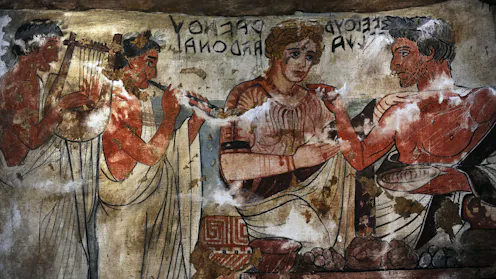
AI can help move analysis forward, but human ingenuity is still essential in this field.

Remarkably, all 69 people on board survived when the plane ditched in the sea. What killed 52 of them happened afterwards.
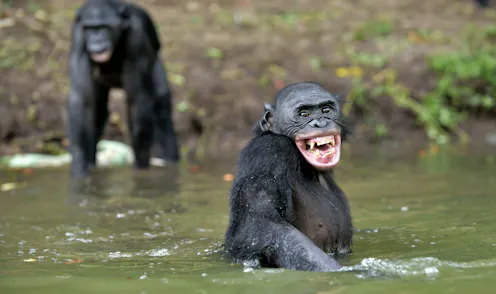
A new study of great ape laughter also gives clues about how humans’ ancient ancestors started speaking.
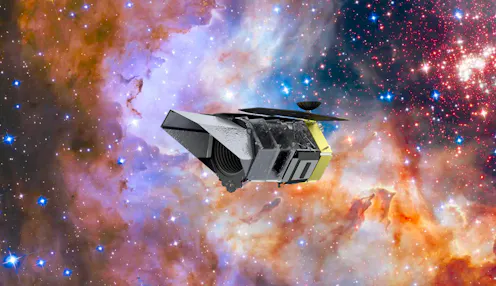
The Nancy Grace Roman telescope will probe dark energy and discover exoplanets.
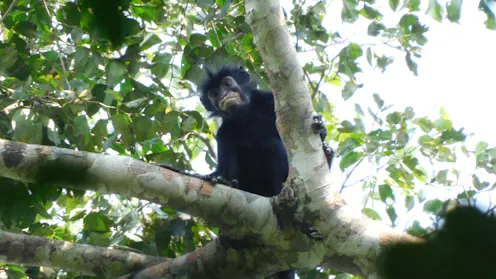
It’s rare for a completely new primate species to be named.
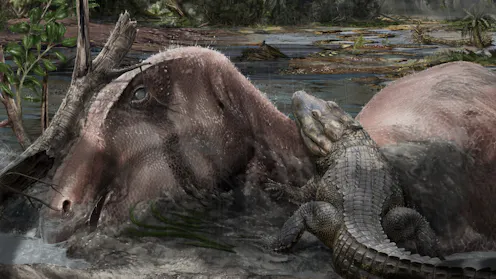
A new study has found that layers in the rock record days, not years, representing storms.
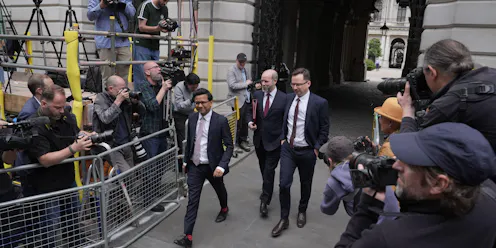
If we want to be reminded what real damage to a science system looks like, we only need to glance across the Atlantic.
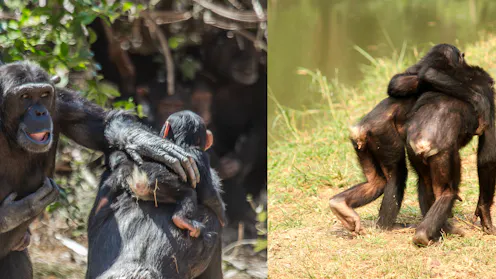
Friendly touching to prevent a fight may be one of our most ancient social tools.

The expansion of the universe may not in fact be accelerating, calling dark energy into question.
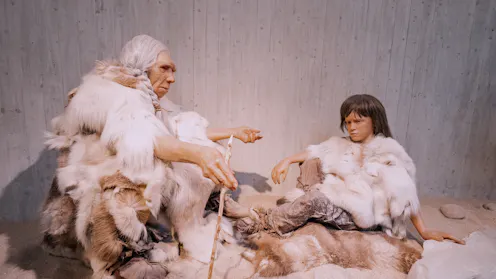
Listen to the The Conversation’s Curious Kids podcast to hear anthropologist April Nowell explain the origins of language.
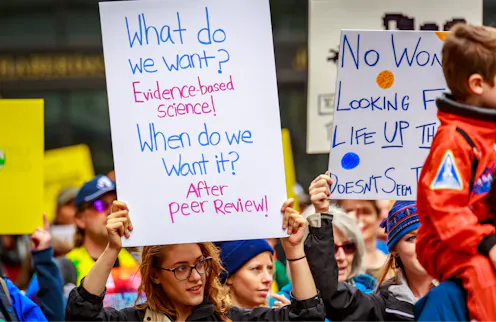
Trust in science seems compatible with believing almost anything, so long as it is expressed in plausibly scientific terms.

Spain’s passing triangles did more than create space: they forced France into making constant choices.