
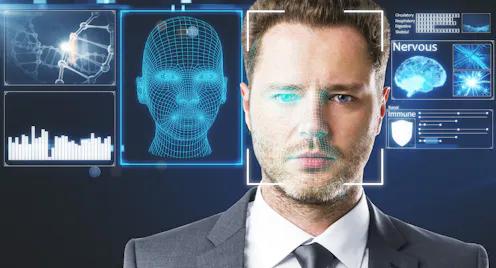
You can wear a mask, pull up a hood, avoid looking at a camera – but you cannot easily change how you walk.
Science + Tech – Articles, Analysis, Comment
Displaying 201 - 225 of 6920 articles

The island’s history was marked by mixture and cultural reinvention.
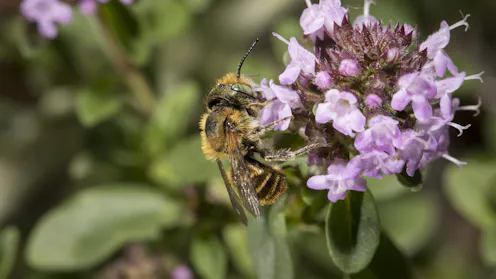
Sperm activity in bees dropped after being exposed to heatwave conditions.

In his first encyclical, Pope Leo XIV has called for much closer regulation of AI technology, particularly in military settings.
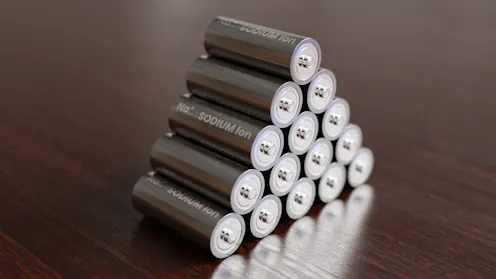
Sodium-ion batteries use more abundant raw materials but don’t currently perform as well as those made with lithium.
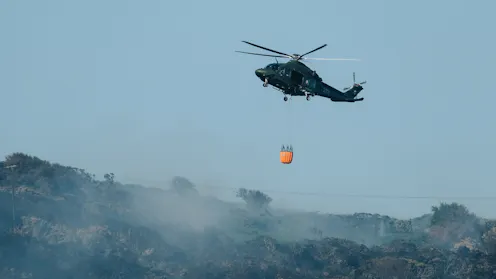
Changes in ways of farming are part of the reason why wildfires are more likely this summer, even in traditionally colder climates.
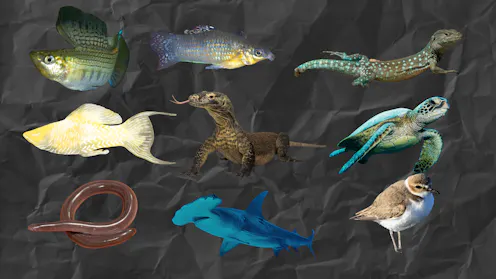
The female animals that go it alone.
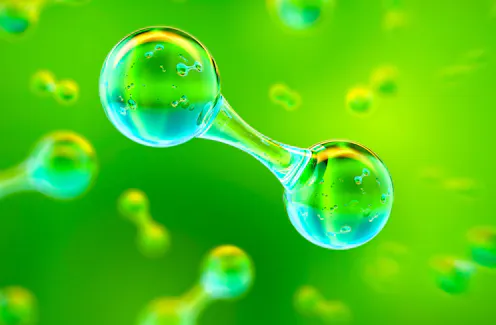
Chemists have been working on new approaches to reducing waste and finding new functions for existing materials.

Forensic scientists would conduct the film’s infamous moth cocoon scene rather differently today.
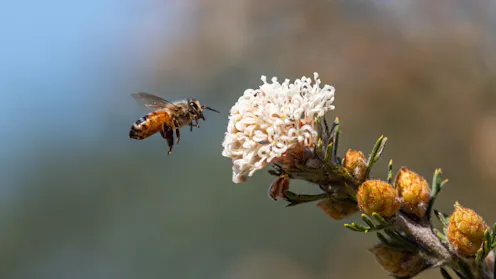
Bees may have tiny brains but they can make rapid and accurate choices.
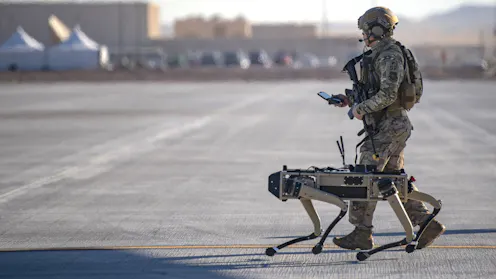
Nations are concerned that adversaries will gain the advantage.

Traffic can be a significant heat source in cities – yet is often overlooked in concerns about rising urban temperatures.
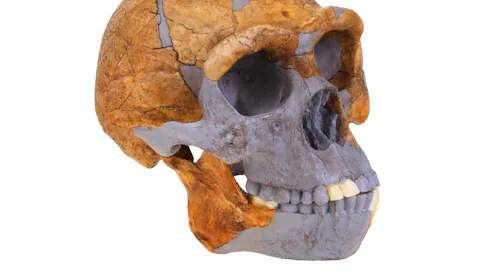
Studies of Chinese Homo erectus suggest that it was no evolutionary dead end, but contributed genes to modern people in the region.
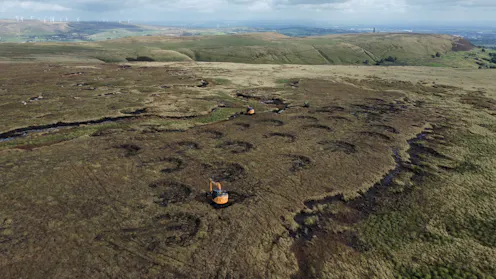
A new project is transforming badly affected peatlands from dark moonscapes to vibrant green moss-scapes.
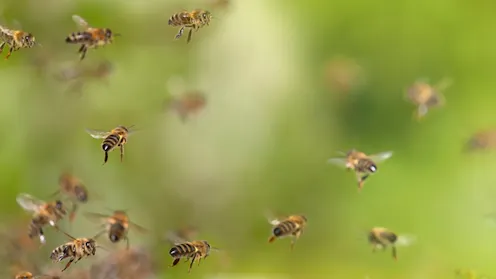
Ahead of world bee day on May 20, the author looks at how other animals rely on bees for food and shelter and even transport.
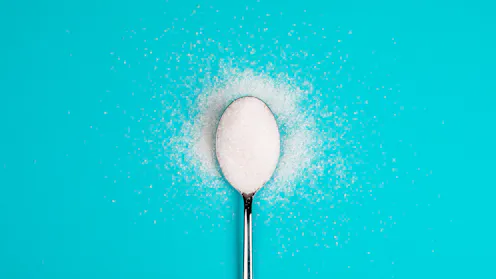
It’s the ultimate win-win that food scientists have been seeking for over a century. But replacing the sweet stuff turns out to be much harder than anyone imagined.

In 1979, Wood Sherif wrote my favourite psychological paper of all time.
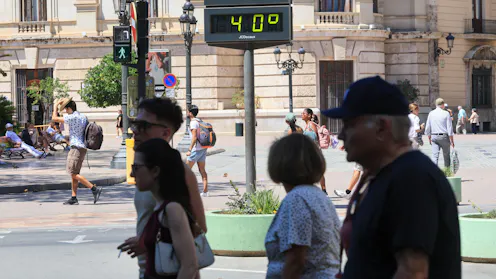
Governments need to open cool buildings in heatwaves, as part of a wider set of additional responses, research shows.

In 2022, six jury scores from the second semi-final were nullified on grounds of collusion.
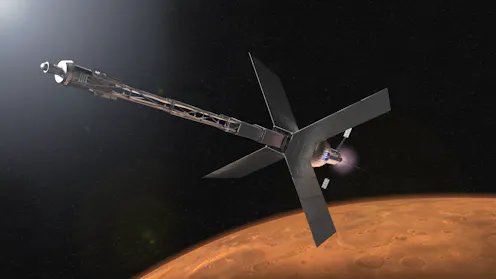
The technology could make it easier to send both humans and cargo to the red planet.

Biases contained within historical datasets makes addressing what underpins automated decisions difficult – defining what is ‘fair’ is key.
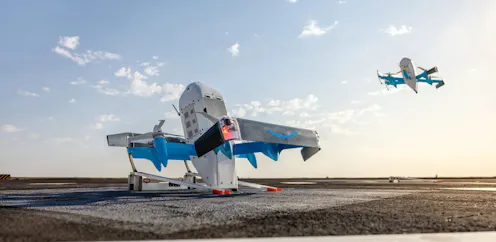
In Darlington, residents have raised worries about noise, privacy and theft over the new drone delivery service.
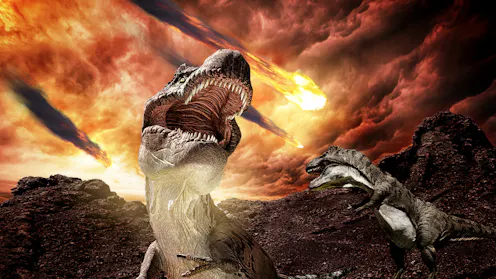
A week after the asteroid impact, rotting vegetation, smoke and sulphur create a stinky planet. Plant and animal survivors succumb to the corrosive acid rain.
Plants are more fascinating than you might imagine.
Hasty adoption of AI may erode the scientific culture and human relationships that sustain rigorous research.