

Why a pile of unread books is not stressful, yet a pile of unread emails is.
Health – Articles, Analysis, Comment
Displaying 176 - 200 of 7468 articles

Research into inflammation and the microbiome is pushing cosmetic science beyond moisture, wrinkles and the skin barrier.
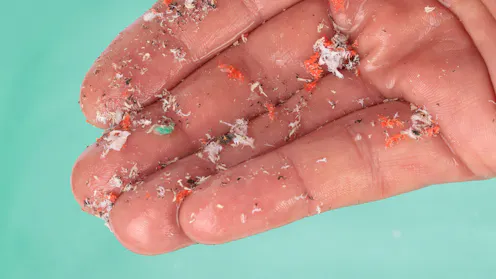
Cigarettes may act as an efficient delivery system for microplastic particles.
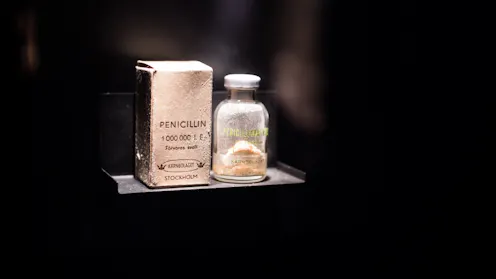
An expert answers questions on superbugs, from overuse in farming to whether resistance is really an unwinnable arms race.
Melatonin is known for helping us sleep, but a new study suggests it may also ease chronic muscle and joint pain.

Learning languages may keep your brain young, but the evidence for preventing dementia itself is far less clearcut.

After decades assuming disabled people would struggle in spaceflight, researchers are finally asking what they can contribute.
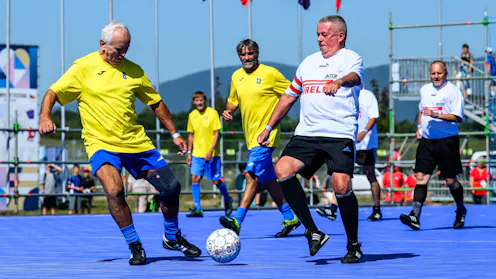
Created in 2011, walking football offers a way for older people to participate in sport.

New genomic studies could screen babies for more rare conditions, making parent information more important than ever.
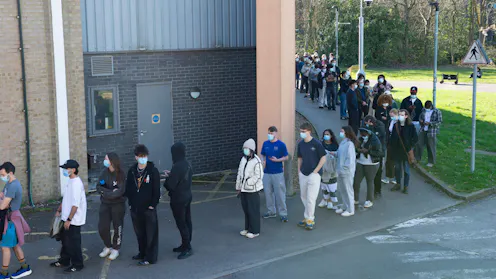
Free MenB jabs are now available at pharmacies for students starting university this autumn. An expert answers key questions.
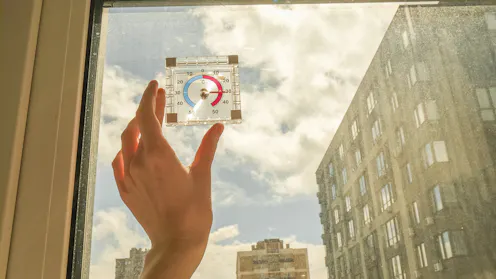
This summer’s heat deaths weren’t random. Poor, badly insulated homes are a public health hazard in summer as well as winter.

Our study found that people with at least three metabolic syndrome risk factors had brains that looked one year older than their actual age on average.

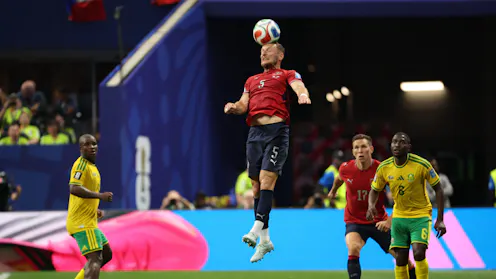
World Cup interceptions reveal how the brain predicts movement, how the body responds and what changes when fatigue sets in.

The England midfielder’s prominent veins probably reflect elite training, but, for the rest of us, visible veins can sometimes indicate a medical problem.

Beetroot juice might be able to boost sprint speed, power and endurance, and could even help people with COPD.

Simonetta Vespucci died suddenly at 23. Centuries later, her portraits may explain what really happened.

Reducing the risks of increased heat in the UK without compromising climate targets requires policy interventions, investment and a strong political will.

The Black Death killed up to two thirds of Europe’s population, yet medieval records rarely mention it.

Long COVID shows why patients need assessment, respect and careful support that includes the brain-body connection.
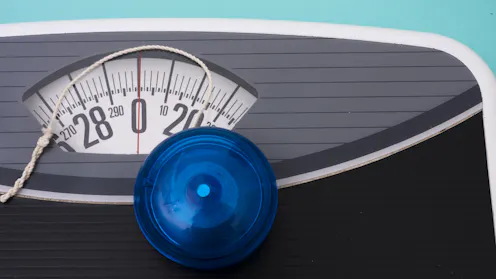
Many people regain weight after stopping GLP-1 medicines. Long-term support may be as important as the drugs themselves.
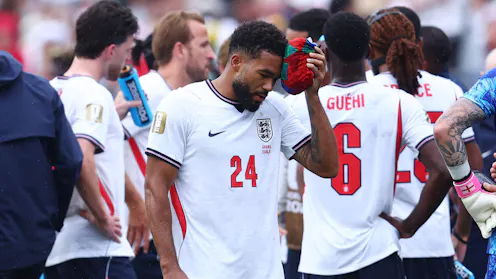
Elite teams plan for heat, recovery and warning signs. Workplaces expecting effort during heatwaves need the same kind of thinking.
Retired football players have a higher risk of developing dementia.

Why a shattered body and a racing mind so often arrive together at 2am – and what the science says can help.

Heatwaves don’t just threaten your skin, they can damage insulin, inhalers and other medicines too, sometimes without any visible warning signs.

Knowing which cancer tumours have their own microbiomes could lead to more personalised treatments.