

An oncologist answers the key questions about the new sitting-and-cancer study, and what its findings do and don’t show.
Health – Articles, Analysis, Comment
Displaying 201 - 225 of 7468 articles

Scientists discover new viruses every year. A catalogue of the riskiest ones could help us spot the next pandemic before it takes hold.

While pain may be universal, our experience of it is anything but.

A major new analysis of nearly 40,000 people finds memories of childhood abuse and neglect stay remarkably stable over time.

Psychologists have spent years studying how we feel about our bodies. Now research is turning to a part of us most people obsess over daily, but rarely examine – our hair.

Researchers have transformed air quality data into maps, visualisations and exhibitions to connect people to the issues in tangible ways.
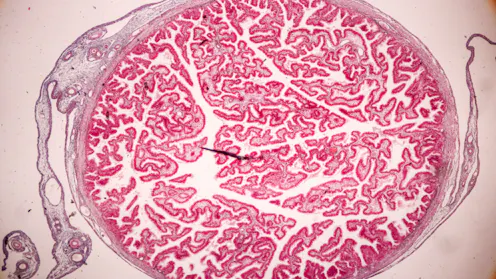
For some mothers, the placenta has deep cultural meaning. Asking about it during pregnancy could prevent avoidable distress.

Fitness trackers often privilege steps over strength, rest and context, which can leave some users with a distorted view of health.

Unregulated peptides sold for muscle gain and anti-ageing carry serious risks, and the evidence suggests women face the greater danger.

Scrutiny is essential after harm. But repeated reviews without delivery can damage staff trust and weaken patient safety.

Yoga helps with health and wellbeing and is recommended to NHS patients in the UK, but new research shows people who could benefit most find it hardest to access.

Strategies to reduce harmful thoughts about food that are persistent, intrusive and distressing can help people better cope with “food noise.”

A new study reveals that plague was lethal thousands of years ago, during the Neolithic.

The Nottingham maternity review shows why women need better assessment and support at the very start of labour.

The inequality, stigma and eugenic thinking that led to their acquisition is often obscured or erased.
The condition is more than merely being bad with directions.

New data shows obesity rising fastest among the young and the poor, while it’s mainly the better off who are seeing the benefit of weight-loss drugs.
Scarred lungs make it harder for the body to cope with extreme heat, dehydration and air pollution.

Most autistic people support genetic research but fear how the findings might be used. Their concerns are becoming harder to dismiss.

Medicine may slow decline for some, but dementia care must also protect dignity, identity and story when speech begins to fade.
How to place disabled people, who are some of the most vulnerable, at the centre of climate change negotiations.
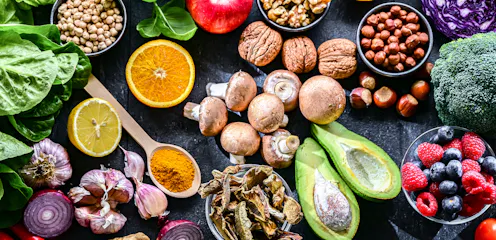
New study of older adults in Sweden suggests healthier diets may still be linked to lower dementia risk even after early biological changes are detected.

Research shows acute psychological stress can rapidly alter blood clotting in healthy people.
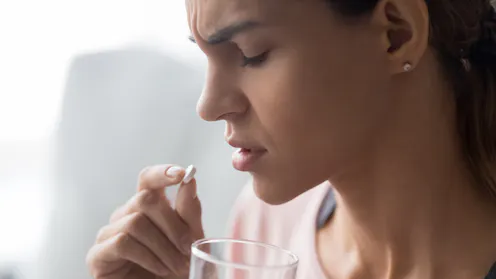
Ibuprofen targets the key cause of period pain and cramps.

Reviews have named the failures in maternity care. The urgent question is why the same problems keep returning.