

Research shows that praise can guide people with dementia through difficult tasks on busy wards, but unclear or poorly timed praise may cause confusion.
Health – Articles, Analysis, Comment
Displaying 226 - 250 of 7468 articles

A decade of injury data shows lowering rugby’s tackle height cut adult concussions by more than a third – but not for schoolboy players.

TikTokers are promoting ‘pinky time’, a finger exercise they claim can help keep the brain sharp.

The key reason why the simple act of eating becomes so unappealing in the heat is because the body is working to avoid overheating.

AI can produce the language of care, but therapy depends on a trained human presence that listens, responds and remains accountable.
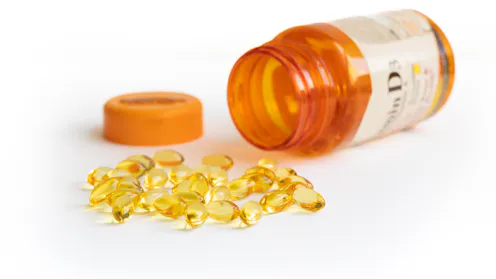
A major review of 69 trials finds calcium and vitamin D supplements do little to prevent fractures or falls.

Heatwaves can damage hearts, kidneys, lungs and infrastructure.
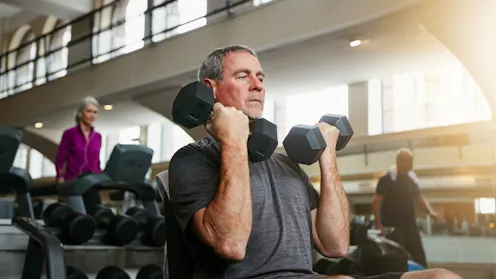
People who did around 90 to 120 minutes of strength training each week have a 13% lower risk of dying from any cause.
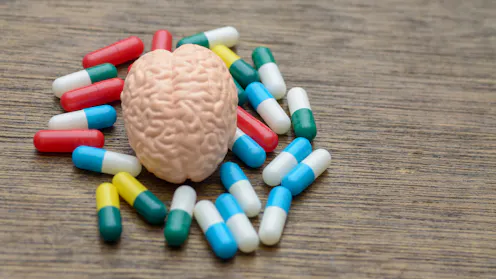
Researchers need more than memory tests to assess whether supplements affect the brain.

With added climate pressures, ending the abusive practice of female genital mutilation becomes more challenging.

Fathers are more involved than ever. So why do so many still feel overlooked and unsupported?
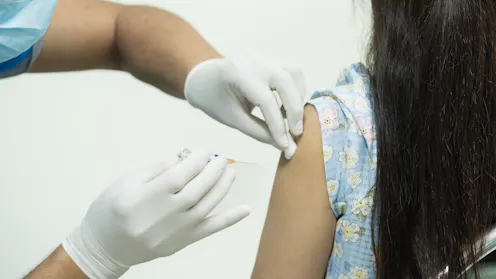
No vaccinated young woman in England has died of cervical cancer in years. Japan’s vaccine scare shows how easily that progress can unravel.

New research suggests that exercising together can improve parents’ and children’s health, thinking skills and motivation to stay active.

Sleep depends partly on body temperature. When nights stay hot, these low-cost cooling strategies may help.

A secondary injury usually happens because the body has not fully recovered from its initial injury.

As emergency caesarean rates rise, research from Bangladesh and England suggests decisions are shaped by more than clinical need.
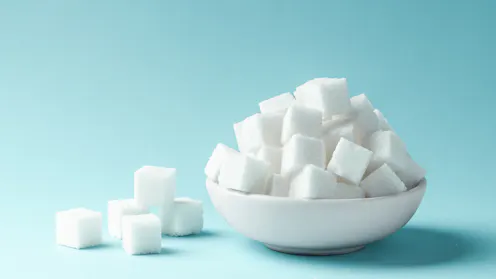
Cutting out sugar entirely might seem virtuous but new research in mice suggests it could harm your gut in ways that don’t show up on the scales.

The major drivers of liver cancer are largely preventable – yet public awareness of the disease remains low.
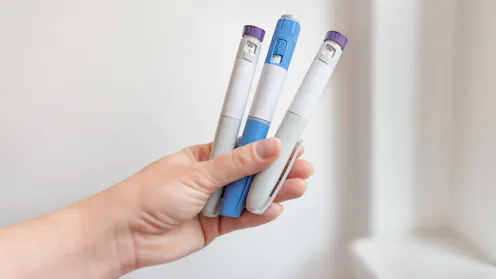
Some research suggests between 10% and 30% of GLP-1 drug users may be considered non-responders.

The drink may alter aspects of metabolism, but showing a meaningful wellbeing benefit requires much stronger evidence.

For LGBTQ+ patients having a baby can mean extra hurdles, costs and longer journey because clinics and funding rules are still built around heterosexual families.

Dogs and cats both give you a brief mood lift, but only one of them seems to raise your stress levels too.

The new Welsh government inherits a service showing signs of recovery while struggling in critical areas.
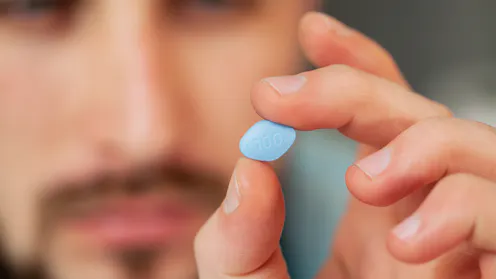
Sometimes medical breakthroughs come from unexpected places.

Our study found that although women complained of sleep problems more often, they slept objectively better than men on average.