
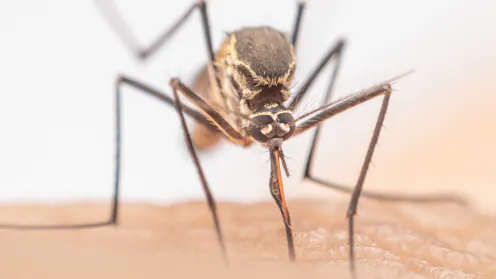
The immediate risk is very low. The discovery shows how warmer weather may change Britain’s defences against mosquito-borne disease.
Health – Articles, Analysis, Comment
Displaying 76 - 100 of 7473 articles

While many products promise faster recovery, reduced soreness and improved performance, the science is often more nuanced.

Denmark eats more sugar than Britain and invented the Danish pastry, yet far fewer Danes are obese. What are they doing differently?

Small challenges can activate cells’ protective systems. Scientists are exploring whether food compounds and medicines can make use of this effect.

Antibiotic resistance is not only a hospital problem. Farming, food production and import standards also play a role.
Food, fluids, sleep and time can all be useful strategies for bouncing back after a workout.
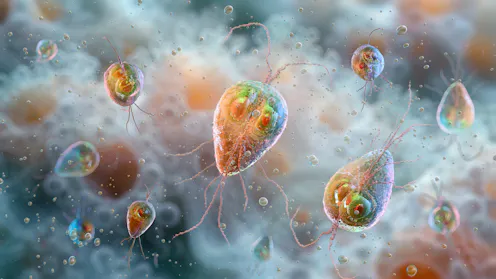
Giardia causes hundreds of millions of infections globally each year.
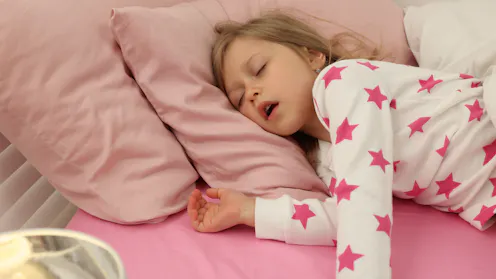
Loud snoring, gasping and restless sleep can signal obstructive sleep apnoea. Daytime signs may include hyperactivity and poor concentration.
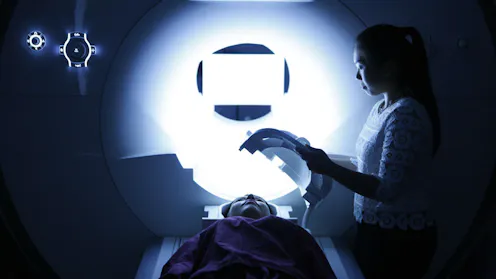
A new technique can reveal cellular changes linked to the disease that were previously visible only in brain tissue after death.

Both families and the church assumed that the purpose of marriage was to have children. Couples who did not conceive often faced questions and scrutiny.

Research found that mental health hospitals frequently overlook family carers’ expertise, missing an opportunity to improve patient safety.

Human connection is not only psychological, but physiological too
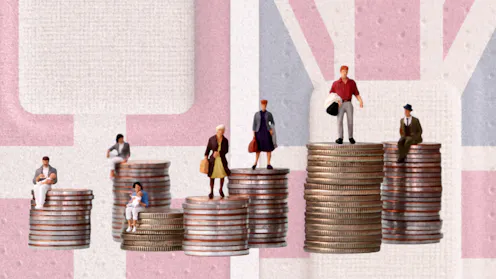
Both countries offer universal healthcare, but Danes live nearly two years longer than Britons. Here’s why.
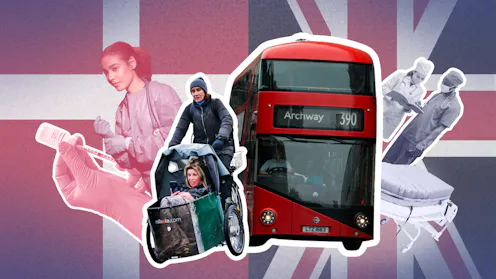
A new series from The Conversation UK and our Danish partner Videnskab.dk, exploring what Denmark and the UK can learn from each other about health and wellbeing.
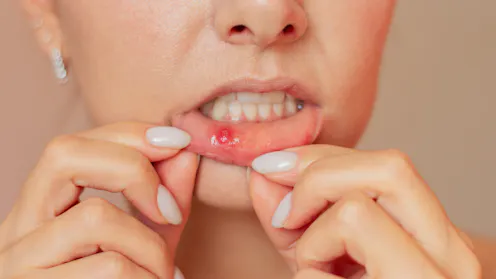
Mouth ulcers affect up to a quarter of us, but the causes range from stress and diet to vitamin deficiencies. Here’s what helps them heal faster.

More than 50 years on, Stockholm syndrome still isn’t a real diagnosis – and some researchers want the term retired for good.

As the government urges households to prepare for emergencies, the NHS faces a harder question: does it have the capacity to cope when the next crisis hits?

A mosquito bite may seem like a minor summer irritation, but it reflects a complex interaction taking place in the immune system.
Maybe it’s time we all started ‘moderation-maxxing’.

Electroconvulsive therapy is supposed to be used only in extreme circumstances, such as when a patient is suicidal or when other treatments have failed.
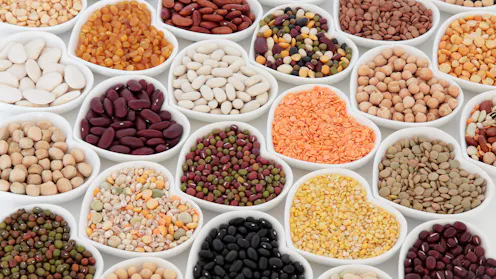
Lentils, beans, chickpeas and peas provide fibre and protein. Research suggests they may also influence blood sugar, cholesterol and gut health.

Eight hours isn’t necessarily the magic number for sleep. Your age, body clock and individual needs all matter.

New research suggests epilepsy may alter the brain systems that regulate temperature, raising questions about how patients respond to heat.

A major new study of 4.2 million people found leisure exercise cuts dementia risk – but manual labour and active commuting may raise it.

An increasing number of women are turning to “social” egg freezing each year.