
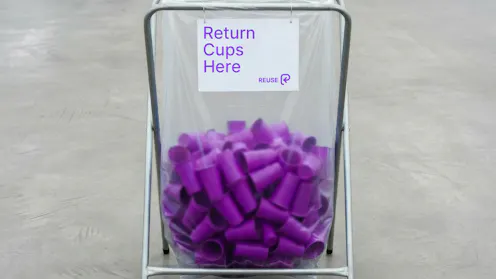
As part of a more effective network of reuse infrastructure, this new symbol could be a catalyst for more effective waste reduction.
Environment – Articles, Analysis, Comment
Displaying 201 - 225 of 5950 articles
The Climate Policy Monitor report found a trend of backsliding by one country in particular, but there are signs of hope at the global level.

There’s a greater need than ever to understand how climate change in Antarctica will have global consequences – but research if getting more difficult.

Saying no to kids who want to buy stuff can be tricky, but gifting experiences or opting for open-ended toys such as building blocks can help.
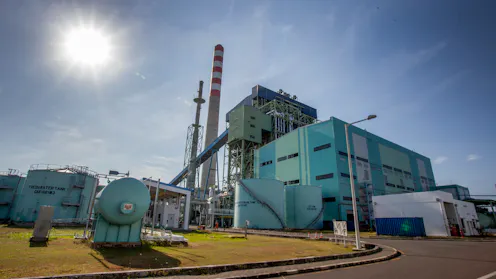
The $20 billion climate flop: a flagship plan to phase out coal in Indonesia hasn’t shut a single power plant.

Reselling clothes might seem like a green option, but it is not as simple as it sounds.
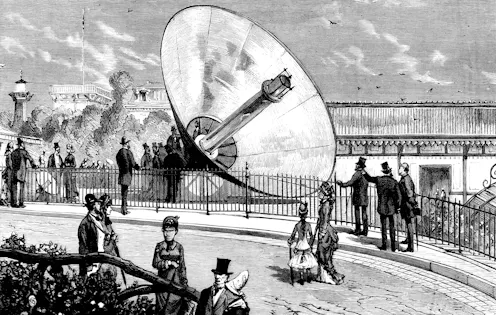
William Adams was convinced that solar energy could change the world. The problem was, he needed more sun to demonstrate it.

Scientists are working on some innovative projects to help tackle life in hot climates.
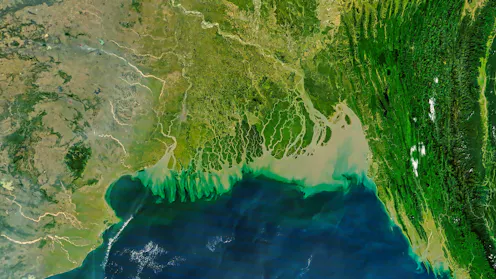
Bangladesh’s planned Padma Barrage may repeat mistakes made by India when it dammed the Ganges.

The UK government issues heat alerts when temperatures spiral, but research suggests many people do not change their behaviour.

Extreme weather, both heat and rain, are expected to hit World Cup venues this summer.
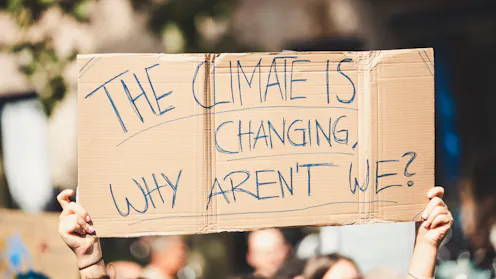
Climate action goes way beyond consumption. Find the most effective actions within your current roles, and overcome barriers for you and others to take them.
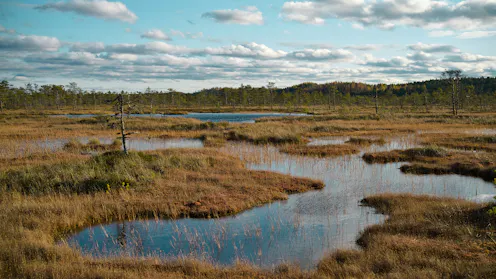
Europe is rethinking security: as geopolitical tensions rise, Russia looms and climate risks intensify, can restoring nature help defend both nations and the planet?
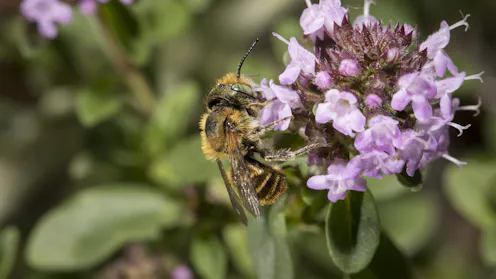
Sperm activity in bees dropped after being exposed to heatwave conditions.

The southwest peninsula of the UK has a burgeoning network of marine observers.
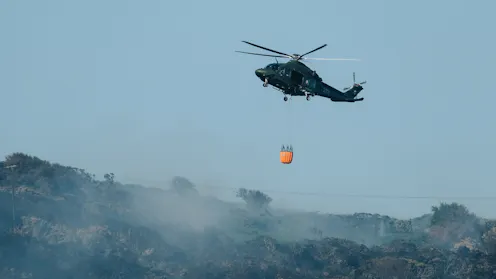
Changes in ways of farming are part of the reason why wildfires are more likely this summer, even in traditionally colder climates.
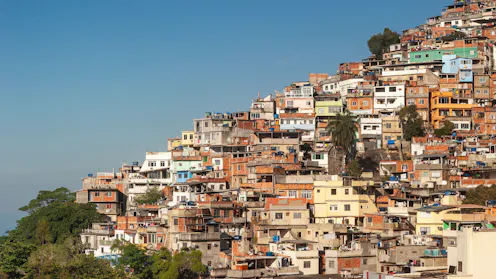
Some parts of the world are warming far faster than other, but even within the same city some neighbourhoods are exposed and suffer more than others.

Heatwaves, wildfires, floods and airport disruption can quickly turn a holiday into a financial loss.
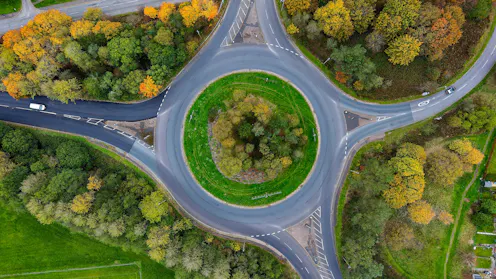
But economic and cultural forces mean dense housing is harder to develop than low-rise sprawl.
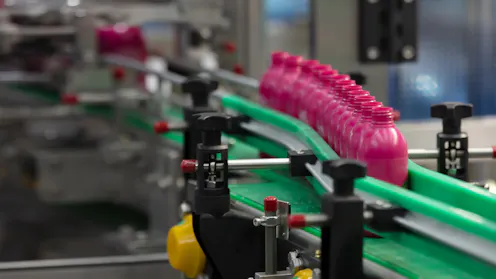
The solution is not to eliminate carbon from industry but to change where it comes from.

Bees may have tiny brains but they can make rapid and accurate choices.
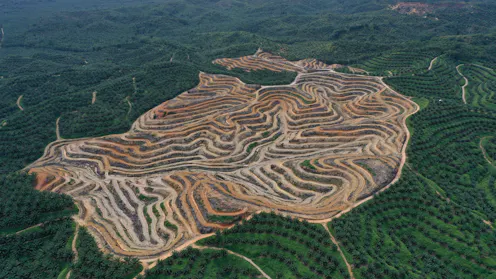
These projects amplify the green credentials of fossil fuel firms while leaving their core business model untouched.
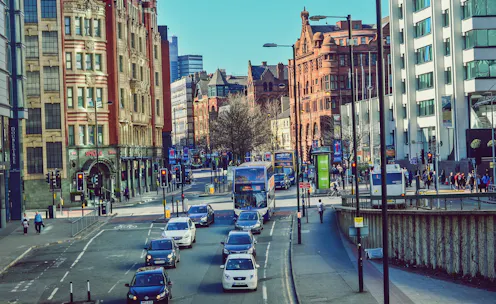
Traffic can be a significant heat source in cities – yet is often overlooked in concerns about rising urban temperatures.
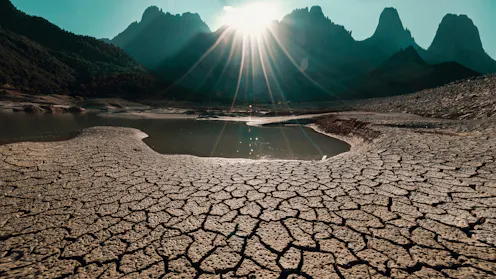
Climate and geopolitical shocks – from El Niño, global heating or wars – hit a food system which already magnifies environmental and social vulnerabilities.
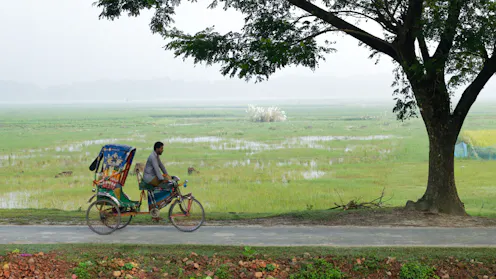
Decisions to migrate in response to climate stress are rarely personal choices and there’s such a huge diversity of household migration patterns.