

An estimated 8 million handheld fans will be purchased in the UK in 2026. Many will end up as discarded electrical waste.
Environment – Articles, Analysis, Comment
Displaying 126 - 150 of 5950 articles
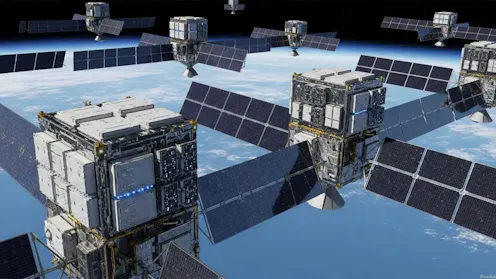
Proposals to put data centres in space have many hidden costs.

The full picture of potential consequences of the UK’s marine heatwaves is only just starting to emerge.

There’s a growing trend to pave over front gardens.

A new film about the climate emergency is designed to change behaviour. But there’s a risk that in-depth discussions replace action.
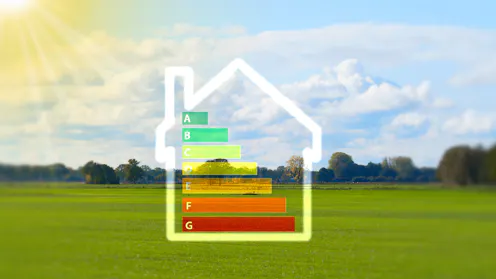
For the next few years, house-hunters comparing energy credentials across borders will meet both old and new scales.

Most of the heat from global warming ends up in the oceans, not the atmosphere.

Estimates vary as scientists don’t have universal standards for researching microplastics.
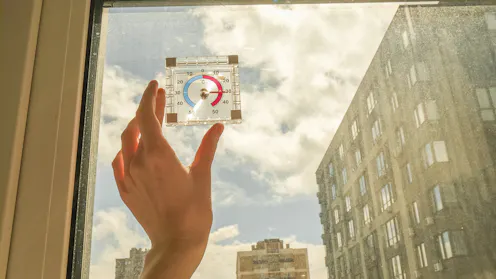
This summer’s heat deaths weren’t random. Poor, badly insulated homes are a public health hazard in summer as well as winter.

Burial grounds are filling up but are new methods any more green than traditional options?
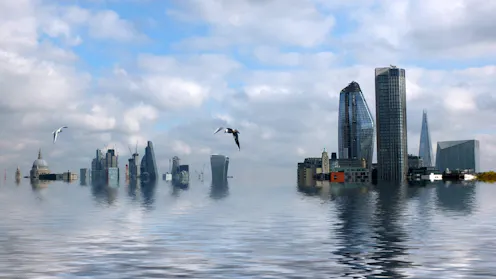
London probably won’t disappear beneath the waves. But we still need to understand the most dangerous outcomes that remain possible – and avoidable.

Reducing the risks of increased heat in the UK without compromising climate targets requires policy interventions, investment and a strong political will.

Researchers designed a new way of collecting data about snowfall in the Himalayas which is much more accurate than the ones used before.

Climate leadership does not require personal perfection. In fact, acknowledging contradiction can strengthen credibility.

Prehistoric pollen records show that forest dynamics were driven by more than just broad-scale climatic changes.

Some of South America’s tropical forests effectively stopped absorbing carbon during the 2015-2016 El Niño.
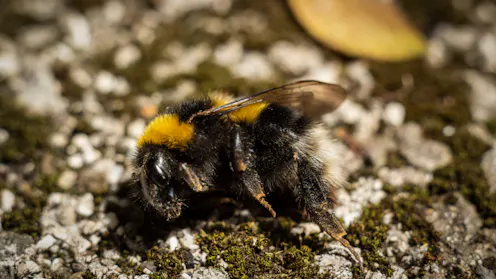
Bumblebees are being affected by heat and other factors this summer.

New evidence suggests a massive centuries-long drought may be part of the answer.

British trees struggle to survive as temperatures get higher, and many die.
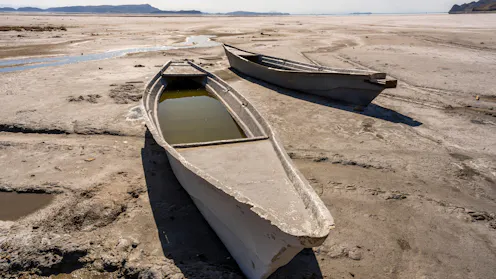
Iran’s leaders could use the peace dividend to invest in fixing its severe environmental problems.

Retrofit solutions need to prioritise the use of renewable, sustainable materials that minimise the consequences of resource consumption and pollution.

The hottest days show how poorly prepared our homes and energy systems are for the current climate – and the climate to come.

Unlike lithium-ion batteries, flow batteries can’t catch fire (as they are mostly water) and are extremely durable.
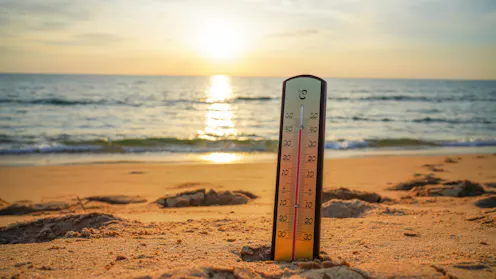
The science behind Europe’s extreme heat is clear. The response isn’t.
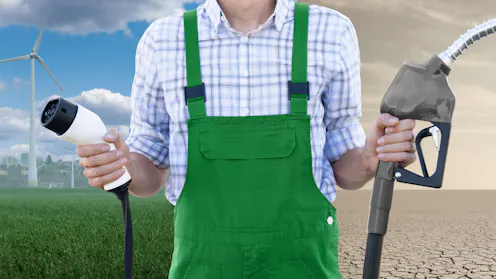
If many countries take the stance that ‘we’re only contributing 1% of global emissions’, responsibility dwindles and action stalls.