
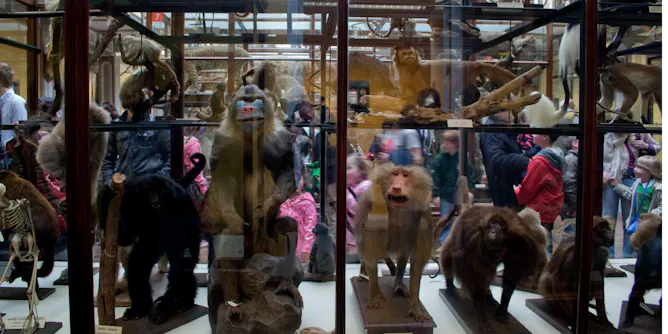
Genetic information that could help finger the next infectious threat is stored in museums around the world.
Articles on Zoonotic diseases
Displaying 81 - 100 of 129 articles
If South Africa’s proposed Meat Safety Act gets passed in its present form it opens up the possibility of massive consumption of wildlife.

By identifying the roots of global ills such as climate change and biodiversity, there’s an opportunity for coordinated action as countries lay new pathways for a post-COVID world.

Australia has been identified as a hotspot for emerging diseases, which occurs when human activities collide with a richness of animal species.

Garden bird feeders and water baths could be hotspots for infectious disease transmission.

Displaced people are particularly at risk from zoonotic diseases transmitted between animals and humans.
Illegal wild animal meat is found in cities right across the world and poses a very real threat of infecting people.
Zoonotic diseases can emerge closer to home than you realise.

COVID-19 has brought to the fore the interdependency of business and society. It’s time for amendments to the social contract that underlies societal support for business.

People can still learn a great deal about these mammals while keeping a safe distance.
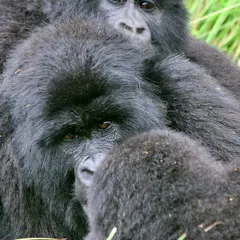
COVID-19 could potentially be harmful for endangered great apes.
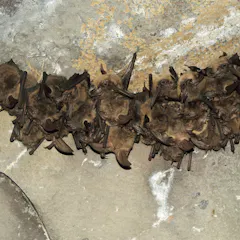
The value that bats provide to humans by pollinating crops and eating insects is far greater than harm from virus transmission – which is mainly caused by human actions.
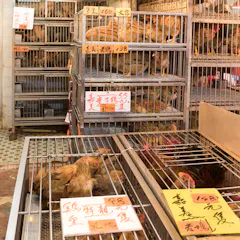
In the real world, new diseases emerge from complex environments. To learn more about how, scientists set up whole artificial ecosystems in the lab, instead of focusing on just one factor at a time.
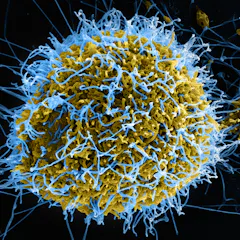
The Trump administration has cut funding for infectious disease research and reduced high-level staffing for global health security, leaving the nation less prepared for major outbreaks.

China’s coronavirus outbreak is stoking fears that it could become the next great global pandemic. As the World Health Organization declares a global emergency, it’s also fanning a pandemic of fear.

Exotic and sensational depictions of Chinese “wet markets” may prevent a proper and efficient understanding of how viral diseases emerge.

Two coronaviruses were identified in the 1960s, and five since SARS in 2003. It is the seventh that is now making headlines.

Wildlife trade is a threat to human health.
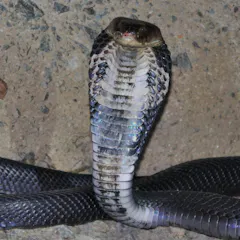
A new coronavirus related to SARS and MERS has now traveled from China to the United States. A genetic analysis reveals that this deadly pathogen may have originated in snakes.

Leptospirosis is spread by rats and other rodents, potentially killing dogs and humans. But we can protect ourselves and our pets.
Top contributors
-

Professor of Veterinary Infectious Diseases, University of Liverpool and International Livestock Research Institute, Kenya, University of Liverpool
-
Head Scientific Research Support, Stellenbosch University
-
Head: Division of Medical Virology, Stellenbosch University
-
Professor of Biodiversity and Human Development, Manchester Metropolitan University
-
Affiliate Professor of Veterinary Medicine, Auburn University
-
Regional Director, ILRI Asia, International Livestock Research Institute
-
Professor of Infectious Diseases, Monash University
-
Alborada Lecturer in Epidemiology, University of Cambridge
-
Canada Research Chair and Full Professor, Epidemiology and One Health, Université de Montréal
-
Directeur régional Asie du Sud-Est, vétérinaire et épidémiologiste, Cirad
-
Fellow, Nigerian Academy of Science
-
Regents' Professor & Chair, Medical Laboratory Science, Texas State University
-
Sydney Horizon Fellow, veterinarian and wildlife disease ecologist, University of Sydney
-
Emeritus Professor, infectious disease ecology, Griffith University
-
Senior Lecturer in Animal Science, Nottingham Trent University