

Long known as a virus confined to rural areas, mpox has reached Kinshasa, the capital of the Democratic Republic of Congo.
Articles on Zoonotic diseases
Displaying 21 - 40 of 129 articles
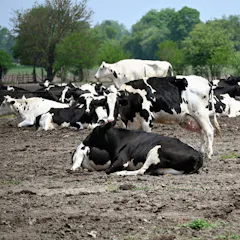
Raw milk can carry many dangerous germs − now including the H5N1 virus that causes avian flu.

Some cat owners say ‘providing for the cat’ increases their feelings of enjoyment and sense of purpose.
Two rabies epidemics in animals spurred a state health emergency in Texas and a program that oversees annual mass wildlife vaccination. Millions of doses have been distributed since the ‘90s.
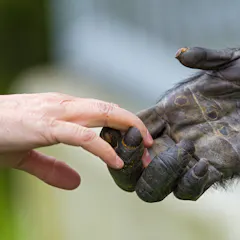
Infectious diseases can spill over from animals to humans as well as spill back. Each cross-species transmission gives pathogens a chance to evolve and spread even further.
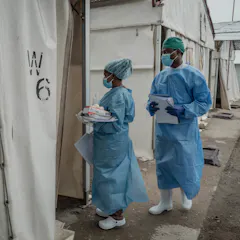
African health workers have over 50 years of experience battling various outbreaks of yellow fever, Ebola, mpox and more recently COVID-19. This experience should be harnessed now.

The behaviour of modern humankind has played a large part in the advent of new communicable diseases.
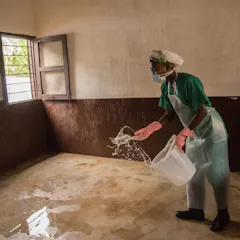
The global health system needs to wake up to the reality that an outbreak in one part of the world is a concern for everyone.

The world’s best chance of preventing the next pandemic lies in a global treaty. But deep divisions over funding and the sharing of vaccines and treatments have so far prevented an agreement.
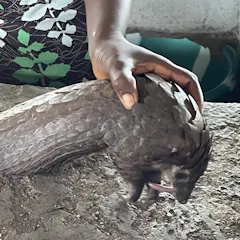
Reducing risk requires moving beyond heavy-handed solutions like banning bushmeat, and instead focusing on making markets safer.

B virus is a biosafety category 4 virus. That is, the same level as Ebola and unknown new pathogens.
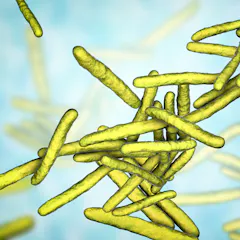
People often think of leprosy as a bygone disease, relevant primarily in biblical times. But in fact, it is still present in more than 120 countries, and the US is seeing an uptick in cases.

Pandemics often have animal origins, so prevention is often dominated by health and veterinary sciences. However, social sciences’ role in understanding human behaviour is also crucial to prevention.

Dogs may be a human’s best friend but there are limits – is face licking one of them?
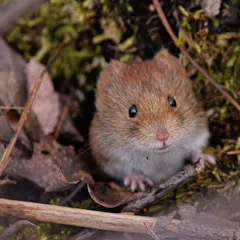
Alaskapox was discovered in 2015 and has generally only caused mild illness – until now.
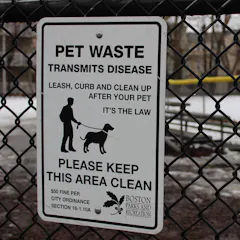
The signs that remind you to pick up after your pet are not just trying to keep public spaces clean; they’re urging you to help safeguard your community’s health.
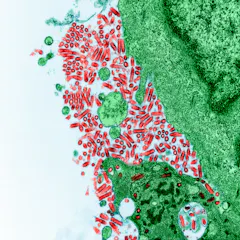
An unexpected case of rabies found in an animal can raise concerns for a potential outbreak. Proactive vaccination of both wildlife and people can help protect everyone.

Heat, floods and droughts create conditions for pathogens and their vectors.

Labels highlighting the health and pandemic risks of meat were also effective.

Animals, including the ones that live in our homes, can carry all kinds of illnesses. Most of the time it’s not a problem, but here’s what you should do to avoid getting sick.
Top contributors
-

Professor of Veterinary Infectious Diseases, University of Liverpool and International Livestock Research Institute, Kenya, University of Liverpool
-
Head Scientific Research Support, Stellenbosch University
-
Head: Division of Medical Virology, Stellenbosch University
-
Professor of Biodiversity and Human Development, Manchester Metropolitan University
-
Affiliate Professor of Veterinary Medicine, Auburn University
-
Regional Director, ILRI Asia, International Livestock Research Institute
-
Professor of Infectious Diseases, Monash University
-
Alborada Lecturer in Epidemiology, University of Cambridge
-
Canada Research Chair and Full Professor, Epidemiology and One Health, Université de Montréal
-
Directeur régional Asie du Sud-Est, vétérinaire et épidémiologiste, Cirad
-
Fellow, Nigerian Academy of Science
-
Regents' Professor & Chair, Medical Laboratory Science, Texas State University
-
Sydney Horizon Fellow, veterinarian and wildlife disease ecologist, University of Sydney
-
Emeritus Professor, infectious disease ecology, Griffith University
-
Senior Lecturer in Animal Science, Nottingham Trent University