

Petting zoos can be a lot of fun for all the family. But a recent tragic case reminds us there are infection risks.
Articles on Zoonotic diseases
Displaying 1 - 20 of 128 articles
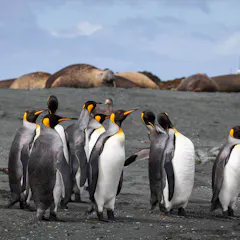
Understanding the true magnitude of the current H5N1 outbreak is key to curbing its spread.

One in three people worldwide carry a brain-dwelling parasite. Should that keep us awake at night? And are you at risk if you don’t have a cat?

Scientists discover new viruses every year. A catalogue of the riskiest ones could help us spot the next pandemic before it takes hold.

Thinking about how and where your cat roams outdoors can help safeguard biodiversity, feline and wildlife welfare and public health.
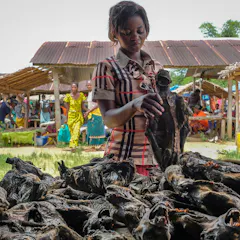
The meat of wild animals, or wild meat, is a big part of the diets of millions of people in central Africa.

While the hantavirus outbreak will likely be eliminated, it highlights persistent gaps in global pandemic prevention, preparedness and response measures.
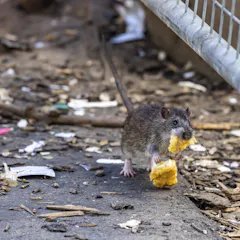
Weak surveillance and climate change could allow deadly hantaviruses to spread unnoticed across African countries, raising the risk of future outbreaks.
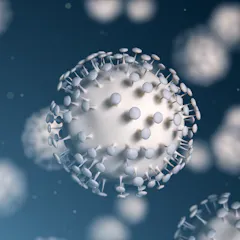
Scientists are learning to spot pandemic threats without touching dangerous pathogens.
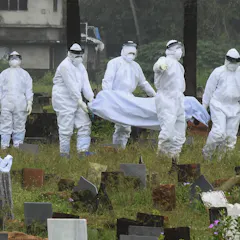
The fatality rate in humans can be between 40% and 75%.

Good data is essential for mapping trade networks

A 25-year-old local scientist captured rare footage showing how one of the world’s deadliest viruses could jump from bats to humans.
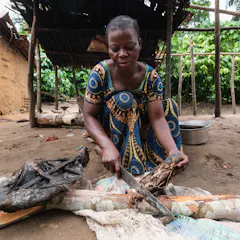
As many as three-quarters of emerging infectious diseases originate from wildlife.
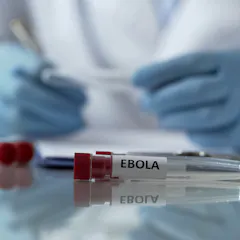
The pace of investment to manage diseases transmissible from animals to humans is dangerously slow.
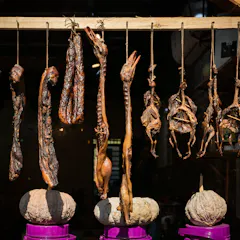
How can the benefits and risks of wild meat consumption be balanced to protect human health, wildlife and the environment?

At the viral chatter stage of an outbreak, pathogens are just starting to infect people in sporadic bursts. It’s a sign that a pandemic may be on the horizon.
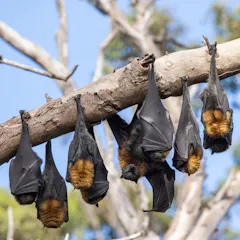
Infection with Australian bat lyssavirus is serious but extraordinarily rare, and there are effective treatments. So there’s no need to panic.

Overfishing, disease and environmental crimes cause social and political instability, economic strife and strained international relations.
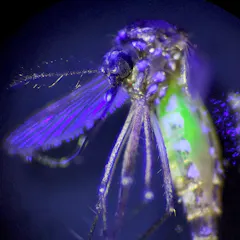
The virus that causes eastern equine encephalitis, or EEE, has evolved to infect mosquitoes. To be able to spread between people, however, it faces extra challenges.

Long known as a virus confined to rural areas, mpox has reached Kinshasa, the capital of the Democratic Republic of Congo.
Top contributors
-

Professor of Veterinary Infectious Diseases, University of Liverpool and International Livestock Research Institute, Kenya, University of Liverpool
-
Head Scientific Research Support, Stellenbosch University
-
Head: Division of Medical Virology, Stellenbosch University
-
Professor of Biodiversity and Human Development, Manchester Metropolitan University
-
Affiliate Professor of Veterinary Medicine, Auburn University
-
Regional Director, ILRI Asia, International Livestock Research Institute
-
Professor of Infectious Diseases, Monash University
-
Alborada Lecturer in Epidemiology, University of Cambridge
-
Canada Research Chair and Full Professor, Epidemiology and One Health, Université de Montréal
-
Directeur régional Asie du Sud-Est, vétérinaire et épidémiologiste, Cirad
-
Fellow, Nigerian Academy of Science
-
Regents' Professor & Chair, Medical Laboratory Science, Texas State University
-
Sydney Horizon Fellow, veterinarian and wildlife disease ecologist, University of Sydney
-
Emeritus Professor, infectious disease ecology, Griffith University
-
Senior Lecturer in Animal Science, Nottingham Trent University