

Before COVID-19, clean water, antibiotics and vaccines had made us complacent about infectious disease. Infection control can no longer be taken for granted. We must be prepared for future pandemics.
Articles on Zoonotic diseases
Displaying 61 - 80 of 129 articles

New developments in organ transplants from animals show promise. However, there has been no public engagement about a potential risk. It may streamline a pathway to humans for new zoonotic diseases.
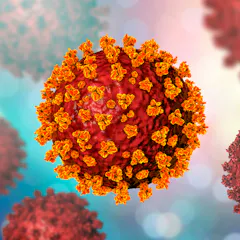
The delay in finding definitive answers to how novel infectious diseases come about is not unusual. Look at what happened to our search for Ebola virus.
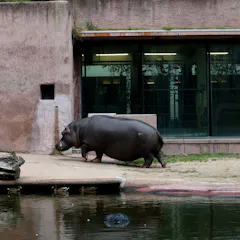
COVID-19 has been found in wild, captive and domesticated animals. To understand and combat the disease, a One Health approach that considers human, animal and environmental factors is essential.
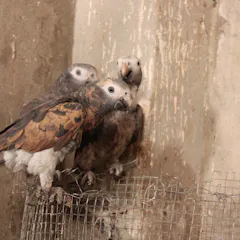
Social media platforms have enabled wildlife traders to connect as never before. Some operate legally, within the boundaries of international laws. Others are less scrupulous.

One Health recognizes the interrelations between the health of humans, other animals, and their shared environments. It should be integrated in the international treaty on pandemics.
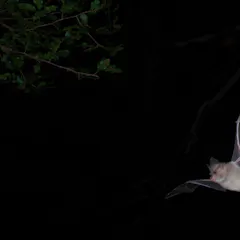
Cave-specific conservation and protection actions are essential to protect cave habitats for the continued survival of bats, and ultimately, the well-being of humans.
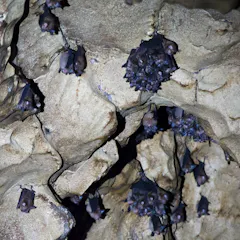
How can nations prevent more pandemics like COVID-19? One priority is reducing the risk of diseases’ jumping from animals to humans. And that means understanding how human actions fuel that risk.
Scientists get up close and personal with deadly pathogens to give doctors the tools they need to treat people sickened by germs. The key is keeping the researchers – and everyone around them – safe.
Bat hosts, lab leaks – tracing SARS-CoV-2 to its origins involves more than just tracking down patient zero.

A more coordinated effort by scientists, stakeholders and community members will be required to stop the next deadly virus that’s already circulating in our midst.

Pandemic viruses arise from raising, harvesting and eating animals. Policy strategy for averting the next pandemic should include supporting those already seeking to make plant-based dietary changes.

Nairobi harbours all the ingredients for zoonotic spillover to occur between animals and people, particularly in the most densely populated areas of the city.
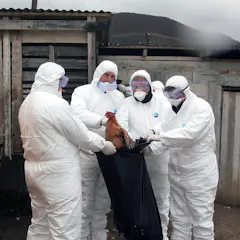
Ever since the 2001 SARS outbreak and H5N1 avian flu in 2003, we’ve developed tools to monitor diseases that transmitted from animals to humans. But what does a large-scale roll-out entail?
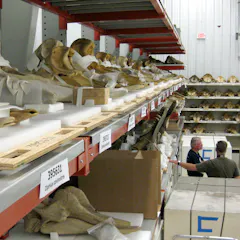
Specimen preservation means researchers don’t need to reinvent the wheel each time they ask a new question, making it critical for the advancement of science. But many specimens are discarded or lost.
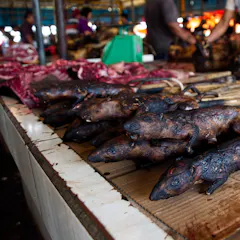
Needed: less wild meat in cities, more wildlife experts in public health.

Among the human rights under threat are the rights to life, health, food, a healthy environment, water, an adequate standard of living and culture.

Plenty of species are susceptible to infection, but during the pandemic only mink seem to have passed the virus on to humans.
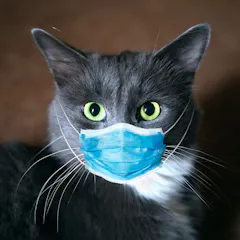
Yes, your cat can get coronavirus, but here’s why you don’t need to worry too much.

Human encroachment on the environment is increasing the threat of diseases like COVID-19, but spending more time in nature could also be part of the solution to this pandemic.
Top contributors
-

Professor of Veterinary Infectious Diseases, University of Liverpool and International Livestock Research Institute, Kenya, University of Liverpool
-
Head Scientific Research Support, Stellenbosch University
-
Head: Division of Medical Virology, Stellenbosch University
-
Professor of Biodiversity and Human Development, Manchester Metropolitan University
-
Affiliate Professor of Veterinary Medicine, Auburn University
-
Regional Director, ILRI Asia, International Livestock Research Institute
-
Professor of Infectious Diseases, Monash University
-
Alborada Lecturer in Epidemiology, University of Cambridge
-
Canada Research Chair and Full Professor, Epidemiology and One Health, Université de Montréal
-
Directeur régional Asie du Sud-Est, vétérinaire et épidémiologiste, Cirad
-
Fellow, Nigerian Academy of Science
-
Regents' Professor & Chair, Medical Laboratory Science, Texas State University
-
Sydney Horizon Fellow, veterinarian and wildlife disease ecologist, University of Sydney
-
Emeritus Professor, infectious disease ecology, Griffith University
-
Senior Lecturer in Animal Science, Nottingham Trent University