

The rest of the world has already had to grapple with bird flu – and there are lessons for Australia.
Articles on Zoonotic viruses
Displaying 1 - 20 of 51 articles

Weak surveillance and climate change could allow deadly hantaviruses to spread unnoticed across African countries, raising the risk of future outbreaks.

The fatality rate in humans can be between 40% and 75%.

The current outbreak in Senegal is one of many that happen in cycles across Africa in the past 50 years.

There is no vaccine for humans against Hendra. The virus is severe and can be deadly – but it’s very rare.
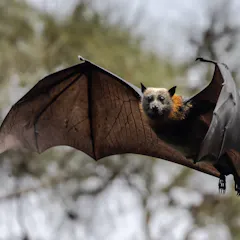
A man in NSW has died after being infected with bat lyssavirus. Here’s what to know about this infection.
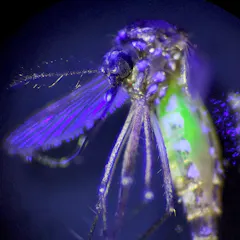
The virus that causes eastern equine encephalitis, or EEE, has evolved to infect mosquitoes. To be able to spread between people, however, it faces extra challenges.

Millions of migratory birds are arriving on Australian shores this spring. Any one of them could bring the new, deadly strain known as H5N1. Extra government funding will help us prepare and respond.

African health workers have over 50 years of experience battling various outbreaks of yellow fever, Ebola, mpox and more recently COVID-19. This experience should be harnessed now.

The lethal strain of highly pathogenic bird flu is everywhere – except Australia, New Zealand and the Pacific Islands. Here’s how we’re planning for its arrival

Can the virus transfer from infected farm animals to contaminate milk, meat or eggs? It depends on where you are and how well you cook your food. But for most of us, the chances are low.

Five livestock experts who study infectious diseases in the dairy industry explain the risks.

Bird flu in U.S. dairy cows has Canadian public health experts on high alert. With one human case identified in Texas, what is the likelihood of H5N1 influenza moving from birds to mammals to people?
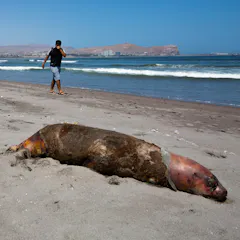
Bird flu is decimating species already threatened by climate change and habitat loss.

Dogs may be a human’s best friend but there are limits – is face licking one of them?

Alaskapox was discovered in 2015 and has generally only caused mild illness – until now.
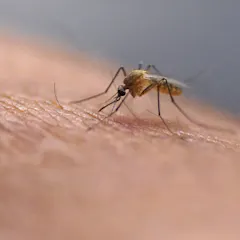
West Nile virus arrived in North America in 1999 and spread across the continent by 2005. Here’s what you need to know about this mosquito-borne pathogen.

Evidence is mounting for links to animals at the Wuhan wet market. But we’ve wasted a lot of time and energy getting here.

The Marburg virus, a close cousin of Ebola, currently has no approved treatments or vaccines to protect against it.

While a small proportion of people have become ill while in contact with infected birds, there is no evidence it has spread from human to human.
Top contributors
-

Senior research fellow, The University of Melbourne
-
Directeur régional Asie du Sud-Est, vétérinaire et épidémiologiste, Cirad
-
Professor of Infectious Diseases, Monash University
-
Associate Professor (Molecular Virology), Monash University
-
Fellow, Nigerian Academy of Science
-
Public Health Pathology, NSW Health Pathology, Westmead Hospital and University of Sydney, University of Sydney
-
Sydney Horizon Fellow, veterinarian and wildlife disease ecologist, University of Sydney
-
Adjunct Associate Professor of Epidemiology, Columbia University
-
Professor of virology and theme leader for viral infectious diseases, The Peter Doherty Institute for Infection and Immunity
-
Associate Professor of Business Ethics and Corporate Social Responsibility, Newcastle University
-
Emeritus Professor, infectious disease ecology, Griffith University
-
Researcher, Department of Animal Science, University of California, Davis
-
Epidemiologist, Cirad
-
Professor of Computational Medicine & Bioinformatics, University of Michigan
-
NHMRC Leadership Fellow and Professor of Virology, University of Sydney