
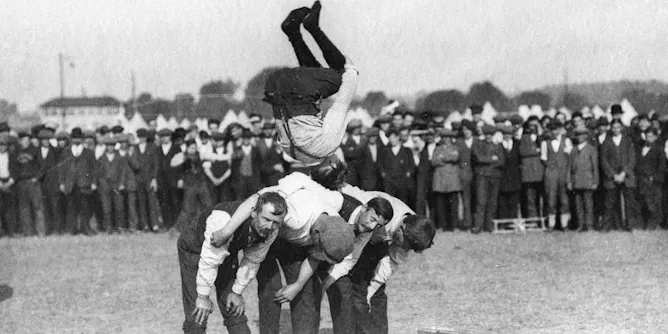
During First World War, the rhetoric of chivalry counteracted the inhumanity of the conflict in sometimes surprising ways.
Articles on World War I
Displaying 161 - 180 of 369 articles
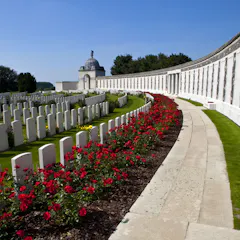
100 years after the end of World War I, some of its brutal lessons.
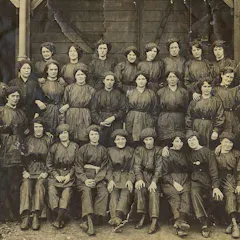
Wartime employment gains were merely on loan for women in Wales.
To some extent, shell-shock still shapes our understanding of PTSD today.
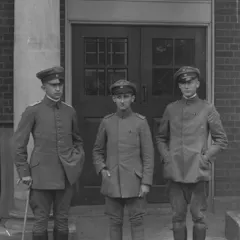
In September 1917, 22 German World War I prisoners held at a camp just outside Nottingham, managed to escape.
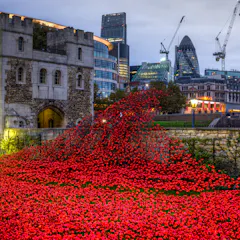
Red or white, it doesn’t matter what colour your poppy is if you respect the sacrifice it represents.
CC BY-ND50.2 MB (download)
A podcast on World War I – from a meeting between the three great war poets, to what happened to conscientious objectors in both Britain and Germany.
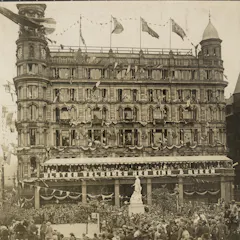
The events of the war caused Irish nationalists to push harder for their independence.
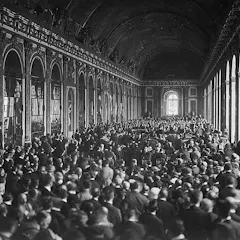
The Treaty of Versailles is often named as the main cause of World War II. But this is an overly simple explanation.
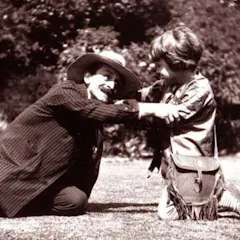
Writers like Virginia Woolf, Arthur Conan Doyle and J.M. Barrie suffered personal loss during the First World War. Their grief and insight helped readers with their own post-war collective grief.
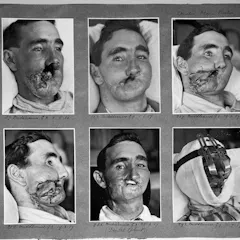
Medical advances were the only positive things to come out of the Great War.
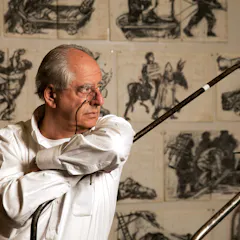
For William Kentridge, searching and erasure serves as a model for understanding our place in the world.

For black South Africans, the hard lesson was the same as it had been during the Boer war: support for Britain would bring few rewards.
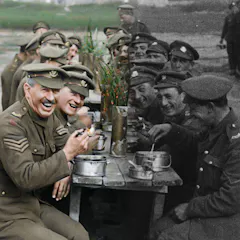
It’s beautiful, clever and moving. But Peter Jackson’s use of colour and added sound essentially fictionalises this account of life in the trenches.
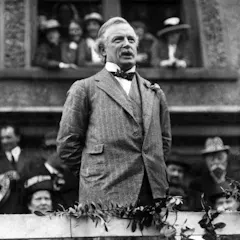
100 years ago David Lloyd George was the name on everyone’s lips – so why has he largely been forgotten?

On the 100th anniversary of the end of the First World War, the University of Saskatchewan will be dedicating a memorial bench on the university campus.
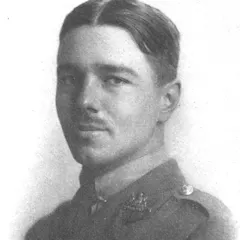
Dead at 25, a week before World War I ended, Owen summed up the conflict’s waste and futility.

After the killing of 11 people at a synagogue in Pittsburgh, a scholar explains why this hate crime reminds her of the political climate between the two world wars in the US.

In the sense understood by François Jullien, the Chinese “thought language” allows us to change our view of Europe.
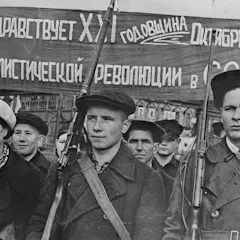
The Russian Revolution – an event that affected more than Russia and was more than a revolution.
Top contributors
-

Chancellor's Professor of Medicine, Liberal Arts, and Philanthropy, Indiana University
-
Principal Lecturer in History, Manchester Metropolitan University
-
Professor, University of Leeds
-
Senior Lecturer, School of Humanities and Social Sciences, Deakin University
-
Lecturer in History, University of Auckland, Waipapa Taumata Rau
-
SEACAMS R&D Project Manager, Centre for Applied Marine Sciences, Bangor University
-
Professor of Economics, University of Warwick
-
Associate Professor in Politics and International Relations, Monash University
-
Associate Professor, School of History, ANU / Chercheur Associé at the Centre d’Histoire de Sciences Po, Australian National University
-
Assistant Professor of Literature and History, University of Warwick
-
Reader in Modern Political History, Loughborough University
-
Senior Lecturer in Sociology, Adelaide University
-
Senior Lecturer in Modern European History, Cardiff University
-
Professor in German Studies, The University of Melbourne
-
Professor of Creative Arts, Griffith University