

Canada can’t afford to leave young people on the sidelines of its economy or in the fight for Canadian sovereignty.
Articles on Remembrance Day
Displaying 1 - 20 of 39 articles
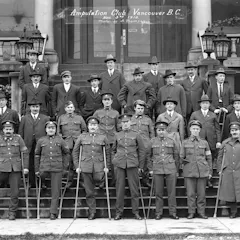
After the First World War, two war amputees raised the profile of disabled veterans and challenged ableism as they trekked 2,000 kilometres from Calgary to Thunder Bay.
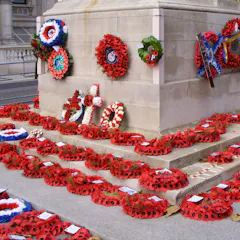
Politicians wishing to stoke divisions invoke the Cenotaph knowing it will be a successful gambit because so many find solace in its meaning.

Prime Minister Justin Trudeau’s apology to Black soldiers who served in the First World War was a good first step, but real action is needed to address racism in the Canadian Armed Forces.
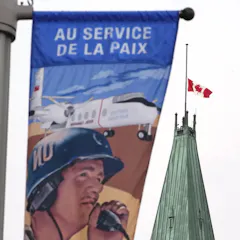
Remembrance Day has typically focused on commemorating the costs of military conflict. It is time to reconsider what and we remember and how.
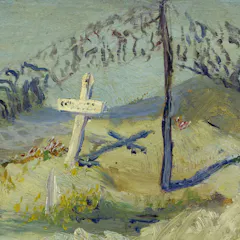
After Canadian painter Mary Riter Hamilton was rejected for service as a war artist because she was a woman, she trekked battlefields to create more than 320 works that recall the missing soldiers.

British poet Wilfred Owen told readers there is no peace for the dying soldier until we fight against the lie that it is sweet and proper to die for one’s country.
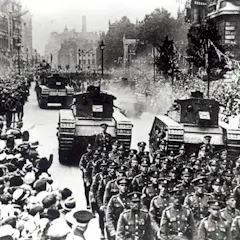
The first two-minute silence in 1919 was designed as a moment that could unite people across many divides. It has become a collective means of commemoration for all manner of tragedies
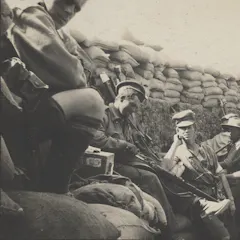
The politics of the war continue to resonate in our discussions of national identity and purpose.
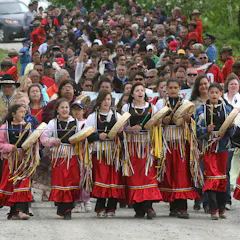
Memories can be powerful tools to address humanity’s most difficult political, sociological and environmental problems

Virgin Australia’s great military blunder of 2018 is a case study in corporate social responsibility gone wrong.

This year marks 100 years since the fighting stopped in the first world war. The commemoration of the armistice, Remembrance Day, remains potent but is also changing with the times.
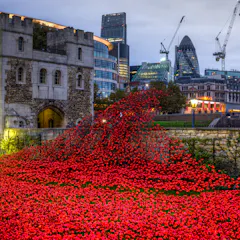
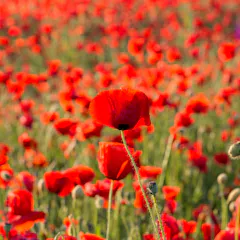
Red or white, it doesn’t matter what colour your poppy is if you respect the sacrifice it represents.
CC BY-ND50.2 MB (download)
A podcast on World War I – from a meeting between the three great war poets, to what happened to conscientious objectors in both Britain and Germany.
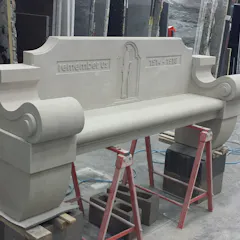
On the 100th anniversary of the end of the First World War, the University of Saskatchewan will be dedicating a memorial bench on the university campus.
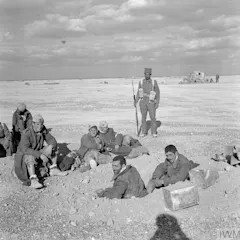
Letters home reveal what is was like to be an Indian soldier in World War II.
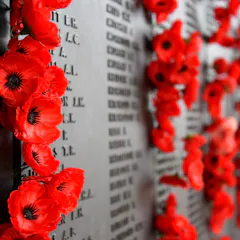
The wildflowers that WWI soldiers encountered in Europe become symbols of remembrance and the fragility of life. The red poppy in particular is a powerful motif in Australian war art and photography.
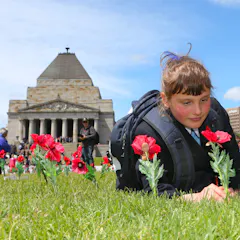
Teaching students to recognise and understanding the political, social, and economic factors that influence how we celebrate Remembrance Day would make them more active citizens.
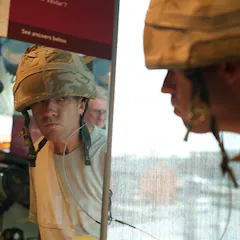
All eyes are on ex-forces veterans come Remembrance Day. We may see heroes – but no one asks them whether they want to fit that mould.
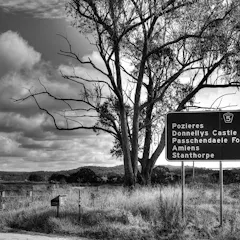
Forty six thousand Australians died on the Western Front. After WWI, diggers were resettled in Queensland’s Granite Belt, where suburbs were named after battle sites. Our photo essay explores these poignant places today.
Top contributors
-

Reader in Modern Political History, Loughborough University
-
Associate Professor in Politics and International Relations, Monash University
-
Associate Professor, School of Criminology, University of Leicester
-
Associate professor, Griffith University
-
Global Director Training and Technical Documentation | Smiths Detection
-
Lecturer in History Education, Macquarie University
-
Senior Lecturer in Criminal Justice, Liverpool John Moores University
-
Professor of History and Professor of Public Engagement, La Trobe University
-
Associate Professor of Audio Engineering, Edinburgh Napier University
-
Lecturer in Journalism, Media & Communication, Queensland University of Technology
-
PhD Candidate and Researcher, National Centre for Australian Studies, Monash University
-
Senior Lecturer and Senior Digital Learning Developer, UCL
-
Senior Lecturer, School of Management, Swansea University
-
Professor, University of Leeds
-
Senior Lecturer, School of Education, University of Aberdeen