
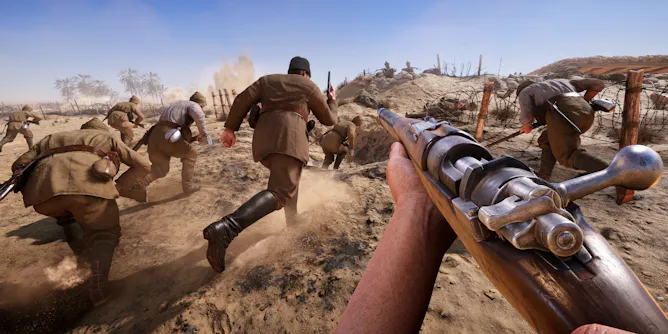
Historical games let us engage with the past, but what matters is how they frame this history, and what they ask players to do.
Articles on Gallipoli
Displaying 1 - 20 of 44 articles
In an increasingly unstable world, building the defence relationship with Australia makes sense. But New Zealand has to safeguard its military sovereignty, too.
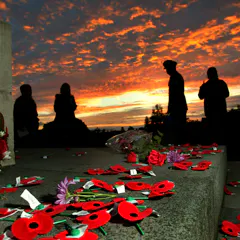
From real to cloth to plastic and now virtual, the poppy demonstrates how material objects become imbued with profound meaning over time.
Gallipoli was a hastily launched military campaign over a maritime choke point – and has parallels with the Strait of Hormuz.

New Zealand’s colonial wars were the third most costly conflict in the nation’s history. The Anzac Day Amendment Bill is an opportunity to make remembrance truly inclusive.
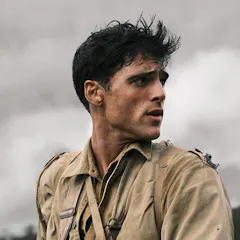
Richard Flanagan’s novel is about to hit screens. How do its depictions of heroism and valour land in 2025? And were the raves right – or the pans?
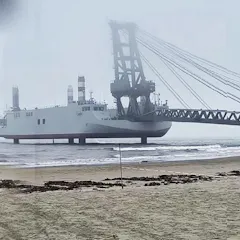
In World War II, ‘Mulberry Harbours’ were used by American and British soldiers in the D-Day landings; China today is using similar technology but for a different purpose.
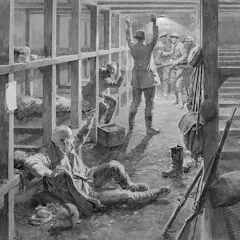
I’ve researched the rare moments of intimacy during war, when enemies see the humanity in each other and forge unlikely friendships.
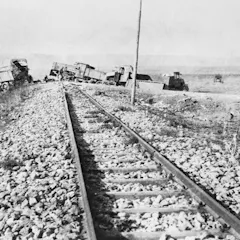
Films about Australia’s efforts in WWI continue to exclude an Aboriginal presence – denying all of us access to their important stories.
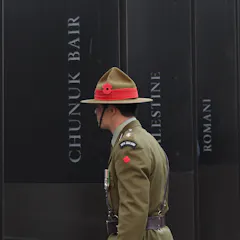
The roots of today’s Israel-Palestine crisis can be traced back to colonial power dealings during World War I – of which the Gallipoli campaign and Anzac legend are an integral part.
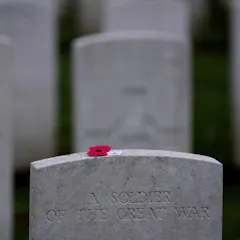
Beyond the familiar ideas of mateship and sacrifice, Anzac Day offers an opportunity to teach young people a more complicated but meaningful version of history.
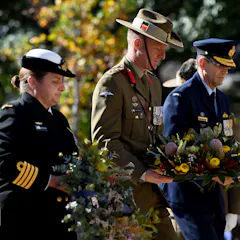
In finding new ways to commemorate Anzac Day, we should learn a lesson from the rise of the Gallipoli pilgrimage.

Two-up used to be illegal - playing it now helps us remember the spirit of larrikinism and anti-authoritarianism central to the Anzac myth.
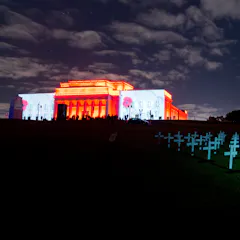
As trans-Tasman borders re-open and in the wake of the Christchurch attacks, Anzac Day gains new meaning and presents new challenges – just as it has always done.

Amid the trauma and boredom of war, soldiers turned to reading — often magazines they wrote themselves.
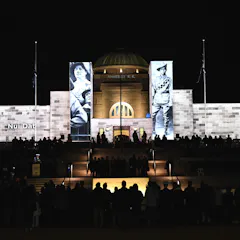
The prime minister calls it “our most sacred day”, but numbers at Anzac Day dawn services fell by 70% from 2015-2019.
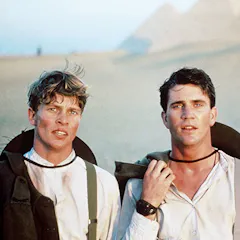
Beautifully directed, powerfully acted, Peter Weir’s Gallipoli still captures the devastating emotional toll of war, 40 years after it first premiered.
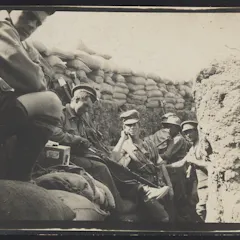
When the honour of Australia’s revered soldiers is questioned, so, too, is the national self-image. But war is an ugly business, and we pay a price for tethering it so tightly to our identity.
As Spanish flu ravaged the world in 1919, Australians found novel ways to commemorate Anzac Day, and they will do so again this year.
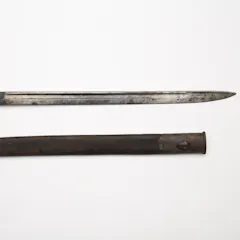
There is no weapon more visceral than the bayonet. It encourages an intimate form of killing, and during WW1, Australia troops plunged, parried and stabbed with great vigour.
Top contributors
-

Senior Lecturer in Sociology, Adelaide University
-
Chair Professor, Istanbul Bilgi University
-
Emeritus Professor of Classics, La Trobe University
-
Professor of Law, University of Waikato
-
Associate Professor in History, Deakin University
-
Lecturer in History, University of Auckland, Waipapa Taumata Rau
-
University Historian and Principal Research Fellow, History, University of Sydney
-
Senior Lecturer, School of Humanities and Social Sciences, Deakin University
-
Lecturer in Journalism, La Trobe University
-
Senior Lecturer, Classics and Ancient History and Director of Teaching and Learning (ugrad), School of Humanities and Social Sciences, La Trobe University
-
Professor, Monash University
-
ANU Visiting Professor, Politics and International Relations, Australian National University
-
Professor, Director of the Centre for the Study of Violence, School of Humanities and Social Science, University of Newcastle
-
Honorary Professor, Edith Cowan University
-
Affiliate Associate Professor of History, University of Sydney