
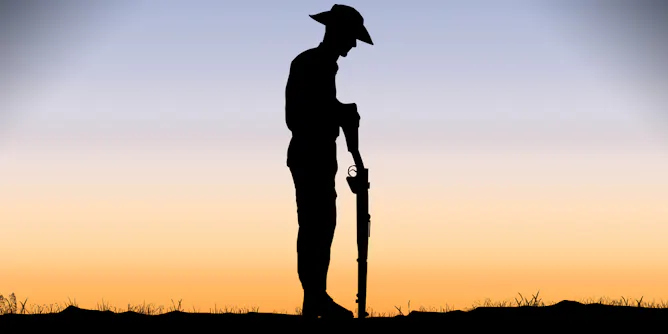
In 1960, historian Ken Inglis wondered if Anzac functioned as a secular religion in Australian society. In 2017, we can confidently answer: yes, it does.
Articles on World War I
Displaying 221 - 240 of 369 articles
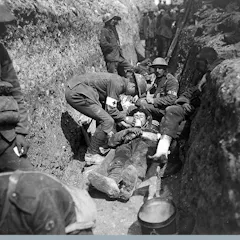
When commemorating our troops, doctors and nurses this Anzac Day, consider also tipping your hat to the discovery of bacteriophages. In the post-antibiotic era, our health might just depend on them.
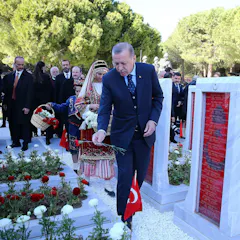
The Gallipoli campaign has, in recent years, increasingly become part of the culture wars in Turkey associated with the rise of political Islam.
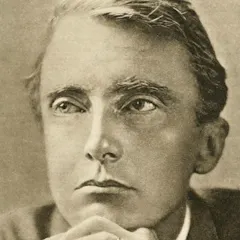
Poet Edward Thomas took from the traditions of Wales, and the beauty of the land to describe the horrors of war.
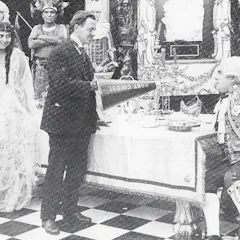
During the war, fear of being undermined by the enemy sparked restrictions on freedom of speech. As a result, thousands of Americans were prosecuted.

Writings at the time of WWI aimed to construct a religiously diverse and conflicted America into a virtuous, Christian nation. This narrative continued in the cemeteries for the war heroes.
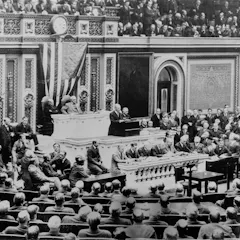
Wilson coined the phrase ‘America First’ and appealed for ‘peace without victory.’ But on April 2, 1917 he asked Congress for a declaration of war. The impact on American foreign policy was profound.
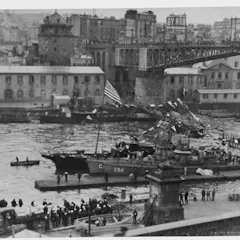
Before World War I, petroleum had few practical uses, but it emerged from the war as a strategic global asset necessary for national stability and security.
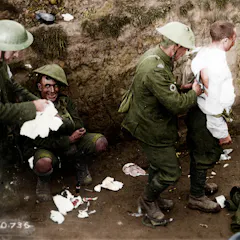
Mental health trauma has always been a part of war. Treatments have come a long way over the last century, but we still don’t understand why the responses change for different people and times.
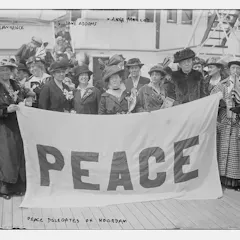
Over a century ago, American women organized to protest World War I. The fact that their efforts failed isn’t the most important point.
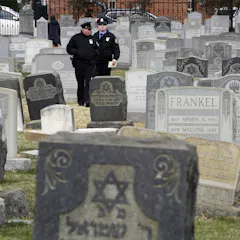
The U.S. saw an increase in anti-Semitic and anti-immigrant sentiments in the period between World War I and World War II. Here’s why it matters to know that history today.

High school students in America learn two very different perspectives on World War I in their U.S. and world history classes. But which of these competing viewpoints should take center stage?
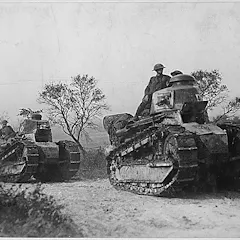
America’s longstanding tradition of isolationism meant that in 1917 U.S. forces needed a lot of support from overseas allies to fight effectively.
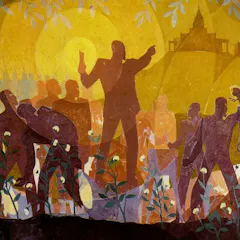
Many associate post-World War I culture with Hemingway and Fitzgerald’s Lost Generation. But for black artists, writers and thinkers, the war changed the way they saw their past and their future.
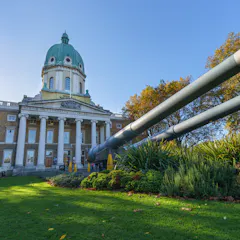
The Imperial War Museum was founded to do a very different task to that of today.
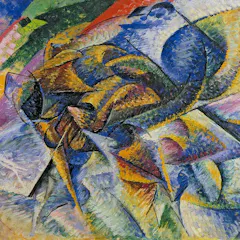
A transcript from a segment of The Anthill podcast about the futuristic visions of Filippo Marinetti.

More than 50 tons of TNT produced a blast that was heard on the Norfolk coast.
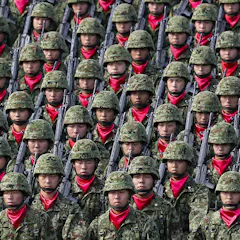
Combat could be on the cards for the first time in over 70 years.
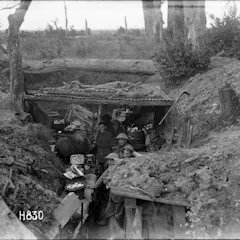
We know all about World War I’s terrible conditions, tactics, tear gas. But what about the teeth?
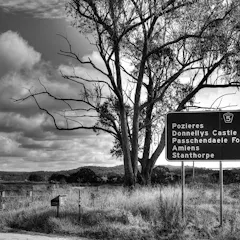
Forty six thousand Australians died on the Western Front. After WWI, diggers were resettled in Queensland’s Granite Belt, where suburbs were named after battle sites. Our photo essay explores these poignant places today.
Top contributors
-

Chancellor's Professor of Medicine, Liberal Arts, and Philanthropy, Indiana University
-
Principal Lecturer in History, Manchester Metropolitan University
-
Professor, University of Leeds
-
Senior Lecturer, School of Humanities and Social Sciences, Deakin University
-
Lecturer in History, University of Auckland, Waipapa Taumata Rau
-
SEACAMS R&D Project Manager, Centre for Applied Marine Sciences, Bangor University
-
Professor of Economics, University of Warwick
-
Associate Professor in Politics and International Relations, Monash University
-
Associate Professor, School of History, ANU / Chercheur Associé at the Centre d’Histoire de Sciences Po, Australian National University
-
Assistant Professor of Literature and History, University of Warwick
-
Reader in Modern Political History, Loughborough University
-
Senior Lecturer in Sociology, Adelaide University
-
Senior Lecturer in Modern European History, Cardiff University
-
Professor in German Studies, The University of Melbourne
-
Professor of Creative Arts, Griffith University