
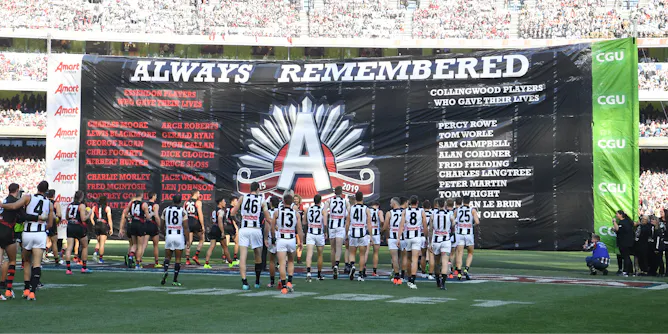
What was once a shared occasion across the competition is now jealously guarded by two clubs on Anzac Day.
Articles on Anzac Day
Displaying 1 - 20 of 87 articles

Mourning black has never been considered a natural part of Anzac Day history and tradition. But 110 years ago it was a stark reminder of death in war.
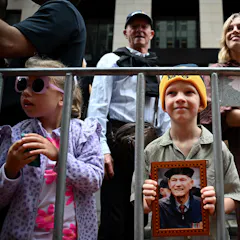
Let kids know beforehand what to expect in a service. A quiet warning before a loud noise, like a bugle call, can also help.
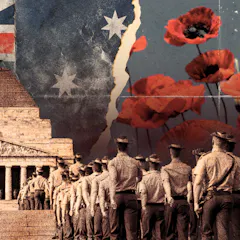
While most Australians agree Anzac Day is an important national occasion, far fewer actually engage in related activities.
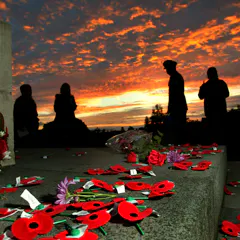
From real to cloth to plastic and now virtual, the poppy demonstrates how material objects become imbued with profound meaning over time.
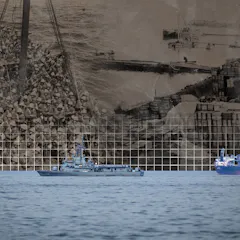
Gallipoli was a hastily launched military campaign over a maritime choke point – and has parallels with the Strait of Hormuz.

If you live in these parts of Australia, you’ll get an extra public holiday for it this year. But millions of others aren’t so lucky.

Australia has remembered the Anzacs in many ways – but some memorials toe a fine line between form and function.
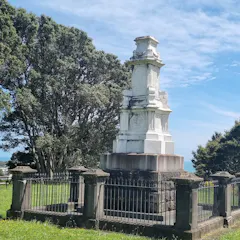
New Zealand’s colonial wars were the third most costly conflict in the nation’s history. The Anzac Day Amendment Bill is an opportunity to make remembrance truly inclusive.

Labor is putting pressure on Peter Dutton to reveal the opposition’s costings after showing savings of more than $6.4 billion in its costing compared to PEFO.

And while Anzac Day brought a temporary truce in campaigning, the political leaders united to condemn neo-Nazi disruption at a dawn service in Melbourne.
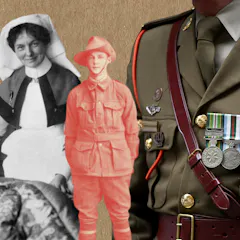
From the first world war to the invasion of Iraq, left-wing soldiers have questioned our involvement in wars. Yet we rarely hear these dissenting veteran’s voices.
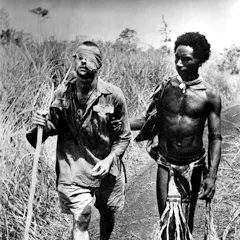
We’ve left behind most racist terms used on the Kokoda Track – so why does ‘fuzzy wuzzy angels’ persist?

The Anzac biscuit is a cultural icon, invented after the first world war. But women still provided necessities and small comforts to the ANZACs.
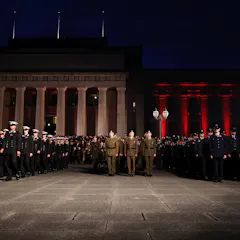
The government’s plan to expand the definition of the term ‘veteran’ will add about 100,000 service people in an effort to provide better recognition.
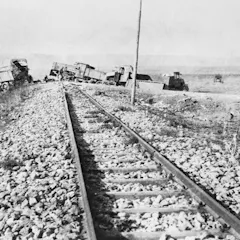
Films about Australia’s efforts in WWI continue to exclude an Aboriginal presence – denying all of us access to their important stories.
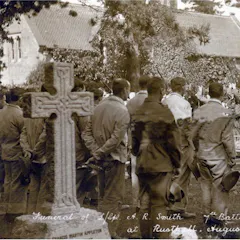
With so many people grieving, the notion of doing so in public was seen as tasteless and vulgar. Funerals became smaller, people put on a brave face in public and fewer people wore black.

With General John Monash in command and four companies of US soldiers fighting alongside the Australians, the battle was a resounding success, taking just 93 minutes
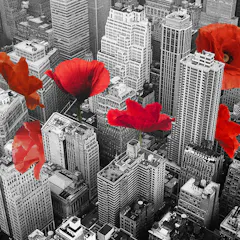
Anzac events in the US were once upbeat affairs, with New York’s 1942 Anzac Day dinner attracting the rich and famous. The mood is more sombre today.
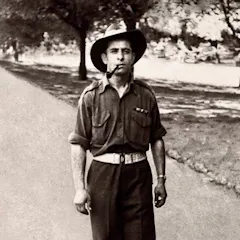
Some of these men went from being indentured pearl divers to soldiers in Borneo. Other fled their home country as teenagers to earn money.
Top contributors
-

Professorial Fellow, University of Canberra
-
Lecturer in History, University of Auckland, Waipapa Taumata Rau
-
Senior Lecturer in Sociology, Adelaide University
-
Associate Professor of Strategic & Defence Studies, Australian National University
-
Professor of Law, University of Waikato
-
Professor in German Studies, The University of Melbourne
-
Senior Lecturer, Art & Design, Australian National University
-
Associate Professor in History, Deakin University
-
PhD candidate in History, The University of Western Australia
-
Chair Professor, Istanbul Bilgi University
-
Director, Australian National Dictionary Centre, Australian National University
-
Associate Professor, School of History, ANU / Chercheur Associé at the Centre d’Histoire de Sciences Po, Australian National University
-
Professor in Robotics, Queensland University of Technology
-
Emeritus Professor, School of Politics and International Relations, Australian National University
-
Senior Lecturer in School of Biological Sciences, Microbiology, Monash University