
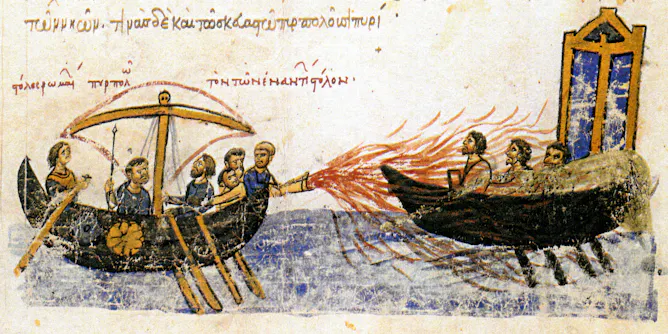
This Byzantine-era napalm gave their fleets a major tactical advantage over enemy vessels.
Articles on Military history
Displaying 1 - 20 of 51 articles
The Theban Sacred Band – made up of ‘lovers and their loves’ came to be known for their strength, discipline, and ferocity.
Chris Masters’ book on Ben Roberts-Smith was chosen to win the Australian War Memorial’s Les Carlyon Prize for Military History. But the prize wasn’t awarded. Why?
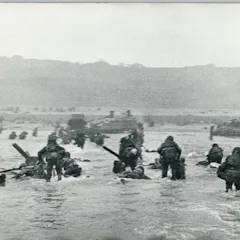
Artifacts held in the National Museum of American History provide personal details about the Normandy invasion.
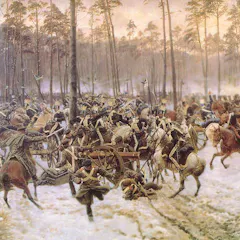
Waning support from Poland’s allies meant the war descended to an attritional struggle, giving Russia the advantage it needed to win.
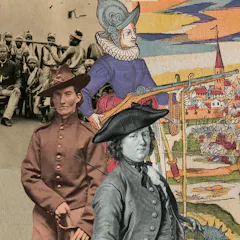
Fighting in sieges, an army of crack female troops, cross-dressing as male soldiers: women have survived and thrived as part of the war machine. But they’re rarely included in military histories.
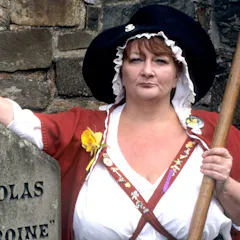
The last invasion of Britain involved bungled military plans, sozzled soldiers and a legendary Welshwoman wielding a pitchfork.
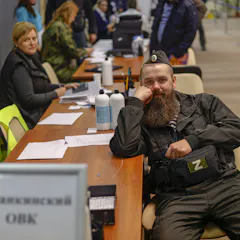
A historian looks back at the success – and failure – of mass mobilization efforts by Russia and the Soviet Union.

From Lovecraft Country to Black Panther to a statue in Benin, the “amazons” of Dahomey continue to trend in global popular culture.
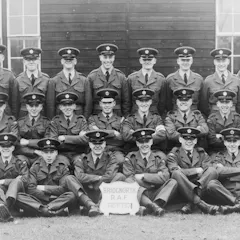
An expert who has spoken with ex-national servicemen explains what they think about bringing it back today.
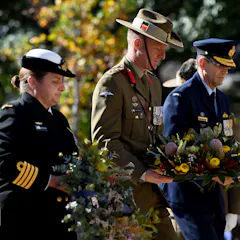
In finding new ways to commemorate Anzac Day, we should learn a lesson from the rise of the Gallipoli pilgrimage.
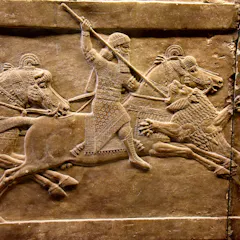
Did ancient technological advancements drive social innovation, or vice versa? Studying cause and effect in the ancient world may seem like a fool’s errand, but researchers built a database to do just that.
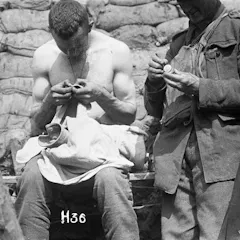
Anzac soldiers wrote poetry about body lice, shared treatment tips and experimented with new ways of bathing.
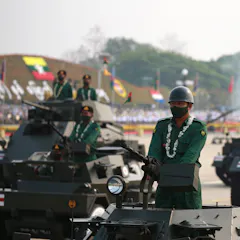
What began in the 1940s as a revolutionary army created to liberate Myanmar from British colonial rule soon turned repressive. The country has been a military dictatorship on and off since 1962.
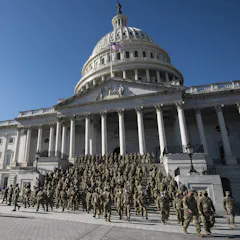
Some 5,000 National Guardsmen will stay in Washington to protect the Capitol into March, according to the Pentagon. The Guard is seen as a reliable peacekeeping force – but it wasn’t always that way.

Some of our coastal defences are in desperate need of preservation and could be transformed into tourist attractions.

Wars don’t produce winners and losers – they never really did.
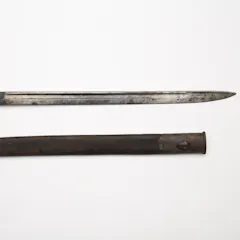
There is no weapon more visceral than the bayonet. It encourages an intimate form of killing, and during WW1, Australia troops plunged, parried and stabbed with great vigour.
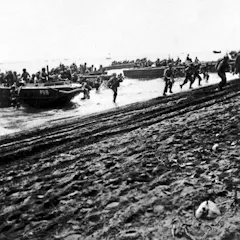
A defender that can hold out while inflicting greater losses on its attacker can wear down an adversary – reducing the threat of additional attacks.
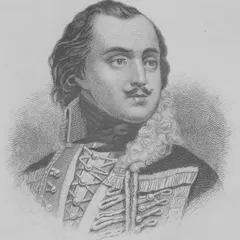
New evidence suggests the 18th-century cavalry officer Casimir Pulaski was a woman or intersex. While we know little of intersex soldiers, there is a fascinating history of women dressing as men to fight.
Top contributors
-

Senior Lecturer in Sociology, Adelaide University
-
Principal Lecturer in History, Manchester Metropolitan University
-
Research Professor in the Australian Centre for the Study of Armed Conflict and Society, UNSW
-
Senior Lecturer, School of Humanities and Social Sciences, Deakin University
-
Professor of History, Provost and Deputy Vice-Chancellor, University of Sydney
-
Reader in International Journalism, City St George's, University of London
-
Honorary Associate, Department of History, University of Sydney
-
Honorary Research Associate, College of Arts, Social Sciences and Commerce, La Trobe University
-
Senior Lecturer, School of Education, University of Aberdeen
-
Professor of Operations Research, Brock University
-
Associate Professor in Politics and International Relations, Monash University
-
Senior Lecturer in Contemporary British History, Newcastle University
-
Professor, University of Leeds
-
Laughton Professor of Naval History, Department of War Studies, King's College London
-
Chair Professor, Istanbul Bilgi University