
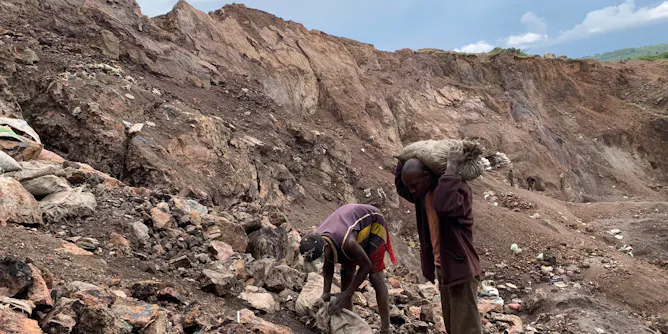
The amount of undeclared uranium from the DRC’s cobalt mines could – if processed – produce enough material for 600-1,500 nuclear weapons.
Articles on World War II
Displaying 1 - 20 of 657 articles
The military newspaper earned credibility by informing troops about the good, the bad and everything in between. But the Pentagon’s recent crackdown on the paper is putting that trust to the test.
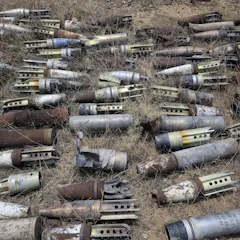
Landmines from wars can stay hidden and a threat for decades. Climate change is making the risk even greater.
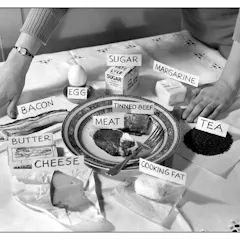
Britain’s postwar sugar rationing was an accidental experiment. Decades on, it’s revealing how early diet shapes cancer risk, ageing and eating habits for life.
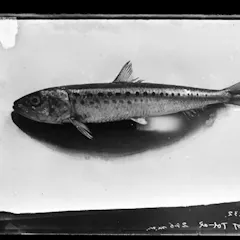
Dynamite made from fish oil was one weapon deployed by an assertive Japan in the early 20th century
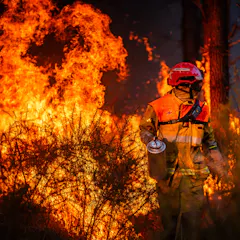
Europe is full of buried explosives left over from 20th century wars, and wildfires are now reaching them more regularly.
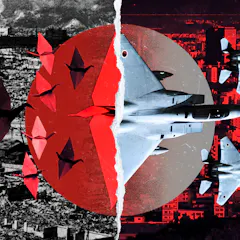
Japan’s leader says the country needs a stronger military. This has prompted deep reflection and fierce debate about the country’s post-war legacy.
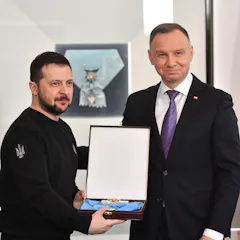
This row is more about domestic Polish politics than any diplomatic incident.
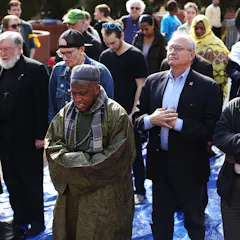
Research on social bonding suggests that common traditions can foster connection not only within communities but also across cultural and religious boundaries.
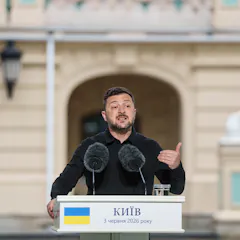
Two years after Canada’s parliament unwittingly gave a standing ovation to a veteran of a Nazi SS division, Ukraine’s own president is honouring figures from the same dark chapter of wartime nationalism.
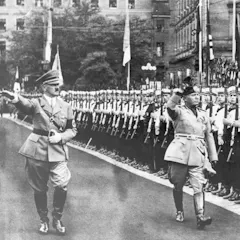
Loyalty outranks expertise, and reality bends to the leader’s word. From Nazi Germany to Imperial Japan, fascist war machines collapse on the same contradictions.
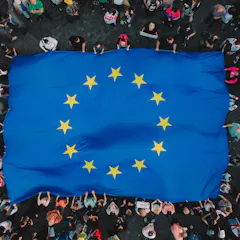
The construction of Europe after WWII sought to promote political and economic cooperation among European nations. The Historical Archives of the European Union in Florence are a testimony to this.

More than 800 men, branded ‘enemy aliens’ were killed when cruise ship bound for Canada was torpedoed by a Nazi U-Boat.
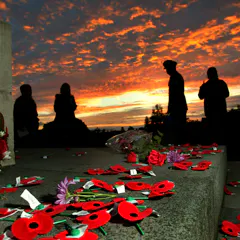
From real to cloth to plastic and now virtual, the poppy demonstrates how material objects become imbued with profound meaning over time.
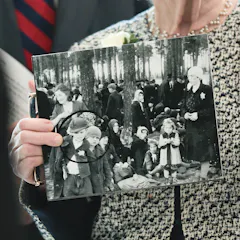
West Germany’s educational reforms in the 1960s and ‘70s show that gaps in knowledge can sometimes create opportunity for rethinking educational methods.
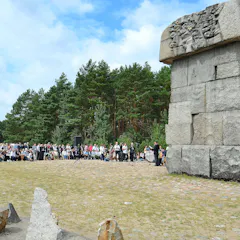
Topics such as sexual assault have been difficult for survivors and historians to write about, even decades after the war.
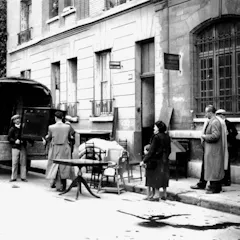
Laws put in place after the war aimed to return stolen belongings and offer war damages to victims. In reality, many Jewish families faced lengthy waits and legal hurdles.
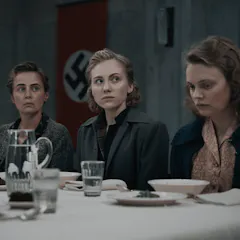
This compelling film examines survival and moral compromise among those caught inside the machinery of the Nazi regime.
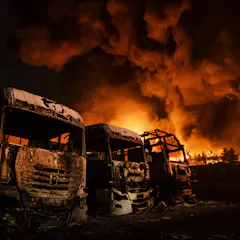
Trump’s Iran war is historically unique in one critically important way: Early on, the war is not popular with the American public.
Strategic resources have been central to the American-led global system for decades, as a historian explains. But US actions toward Greenland today are different.
Top contributors
-

Principal of South College, Durham University
-
Reader in Modern Political History, Loughborough University
-
Senior Lecturer in Public History, Leeds Beckett University
-
Principal Lecturer in History, Manchester Metropolitan University
-
Senior Research Fellow, University of Southampton
-
Professor of International Security, University of Birmingham
-
Professor, Russian and East European History, University of Alberta
-
Professor Emeritus in Contemporary German History, Nottingham Trent University
-
Extraordinary Professor, Department of Political Sciences, University of Pretoria
-
Professor of Post-Soviet Cultural History and Film, Queen Mary University of London
-
Quondam Fellow of All Souls College, University of Oxford
-
Professor in Communication Studies, McMaster University
-
Professor Emeritus of Modern European History, University of Essex
-
Associate Professor of History, UNSW
-
Director, Vice-Chancellor's Centre of Public Ideas (CoPI) and Donald Horne Professor of History and Public Ideas, University of Canberra