
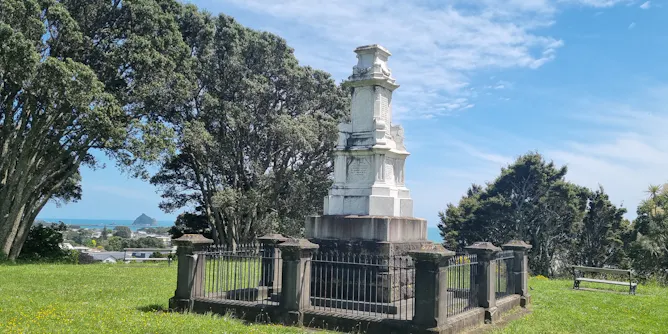
New Zealand’s colonial wars were the third most costly conflict in the nation’s history. The Anzac Day Amendment Bill is an opportunity to make remembrance truly inclusive.
Articles on World War I
Displaying 21 - 40 of 369 articles
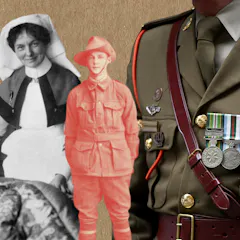
From the first world war to the invasion of Iraq, left-wing soldiers have questioned our involvement in wars. Yet we rarely hear these dissenting veteran’s voices.

The Anzac biscuit is a cultural icon, invented after the first world war. But women still provided necessities and small comforts to the ANZACs.
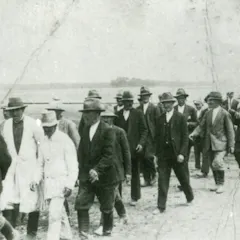
In the early 20th century, peasant movements combined a hatred of cities with imaginative blueprints for social and economic reform.
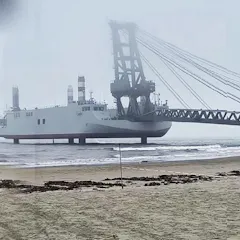
In World War II, ‘Mulberry Harbours’ were used by American and British soldiers in the D-Day landings; China today is using similar technology but for a different purpose.
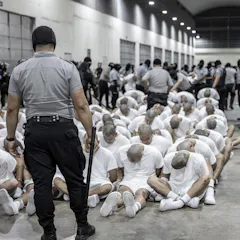
The Alien Enemies Act, first used in the late 1700s, was last invoked during World War II.
The early 1920s in the US offers historical lessons on how current pessimism about the state of the country can manifest in dangerous, discriminatory ways.
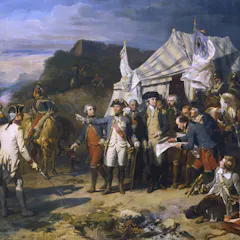
Why should a country want or need allies? President Donald Trump and his followers seem to disdain the idea. So did George Washington.
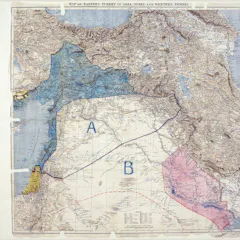
The Sykes-Picot agreement is one of many colonial projects that we are still feeling the ripples of today.
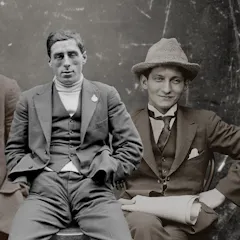
The most successful shoddy droppers were smooth talkers attractively dressed in made-to-measure three-piece suits – but the cloth they sold was often poor quality.
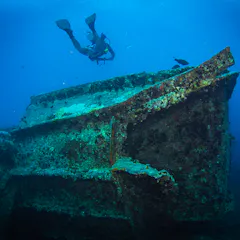
As their structures break down, the wrecks could release toxic substances into the environment.
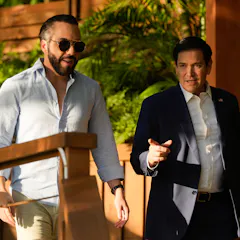
The Alien Enemies Act, first approved in the late 1700s, was last used during World War II to identify particular foreign nationals living in the US.
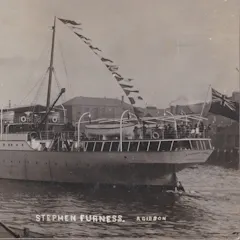
Researchers have uncovered new evidence about the sinking of HMS Stephen Furness in 1917, solving a century-old mystery.
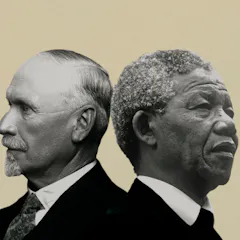
Whereas Jan Smuts was to be largely forgotten after his defeat in South Africa’s 1948 election, Nelson Mandela became an international icon.
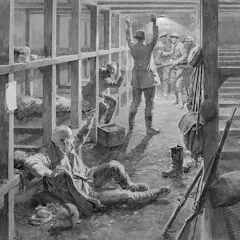
I’ve researched the rare moments of intimacy during war, when enemies see the humanity in each other and forge unlikely friendships.

In 1935, a hurricane devastated the Florida Keys, killing over 400 people, many of them World War I veterans. Ernest Hemingway joined the relief efforts – and became enraged at government inaction.
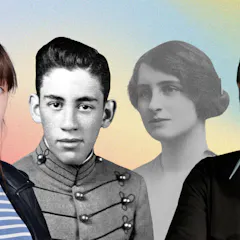
The idea of generations as self-conscious group identities came into being with the trauma and upheaval of the first world war.
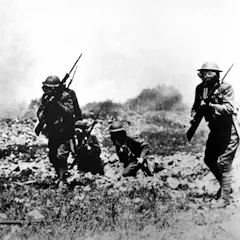
American newspaper correspondents reporting the fighting in the first world war succumbed to intense pressure to self-censor.
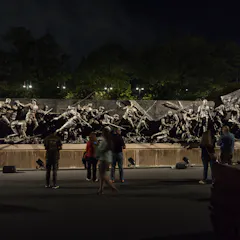
An old-fashioned sculpture to commemorate a century-old war.
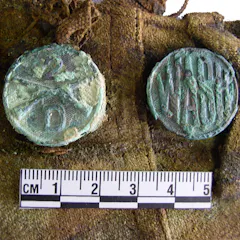
Pfc Charles McAllister will finally be laid to rest in his home town on Seattle.
Top contributors
-

Chancellor's Professor of Medicine, Liberal Arts, and Philanthropy, Indiana University
-
Principal Lecturer in History, Manchester Metropolitan University
-
Professor, University of Leeds
-
Senior Lecturer, School of Humanities and Social Sciences, Deakin University
-
Lecturer in History, University of Auckland, Waipapa Taumata Rau
-
SEACAMS R&D Project Manager, Centre for Applied Marine Sciences, Bangor University
-
Professor of Economics, University of Warwick
-
Associate Professor in Politics and International Relations, Monash University
-
Associate Professor, School of History, ANU / Chercheur Associé at the Centre d’Histoire de Sciences Po, Australian National University
-
Assistant Professor of Literature and History, University of Warwick
-
Reader in Modern Political History, Loughborough University
-
Senior Lecturer in Sociology, Adelaide University
-
Senior Lecturer in Modern European History, Cardiff University
-
Professor in German Studies, The University of Melbourne
-
Professor of Creative Arts, Griffith University