
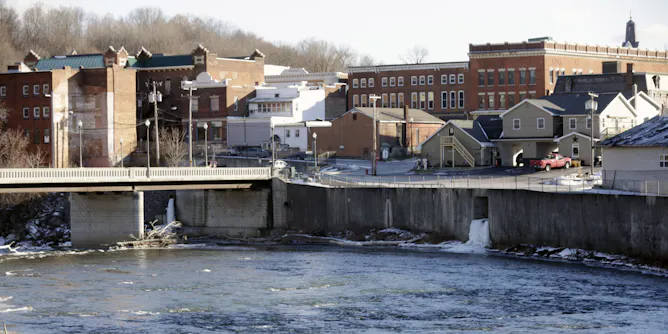
EPA is moving to regulate two chemicals from a group called PFAS that are contaminating drinking water. A public health expert explains why the agency should take much broader action.
Articles on Water pollution
Displaying 161 - 180 of 247 articles
Bankrupt oil and gas companies must clean up old wells, yet taxpayers are still stuck with the bill for abandoned mines.

Snorkeling off the California coast, a high school student found heaps of golf balls on the ocean floor. With a marine scientist, she showed that golf courses were producing tons of plastic pollution.
Fertilizer is a key source of nitrogen pollution which fouls air and water worldwide. Current regulations target farmers, but focusing on producers could spur them to develop greener products.
A few decades ago Boston Harbor was one of the nation’s dirtiest water bodies. Now, healthier fish in the harbor underscore that a multibillion-dollar cleanup has succeeded.
Harmful pesticides have been found in the widely consumed sharptooth catfish found in a river that runs through Johannesburg.
When people form local networks to take care of resources such as drinking water, they strengthen their communities. Technology can support these efforts and promote learning and innovation.
South Africa needs to strengthen its response to plastic pollution.
South Africa’s local governments lack a clear separation of legislative and executive powers.
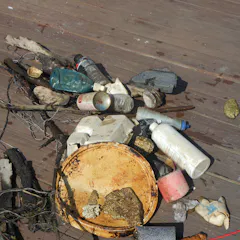
Roughly 10,000 tons of plastic enter the Great Lakes every year, and scientists want to know where it ends up. There are some parallels to ocean plastics, but also important differences.

Red tide and a blue-green algae outbreak are fouling hundreds of miles of coast, killing fish and driving tourists away from beaches. Some of the causes are natural, but human actions play a big role.
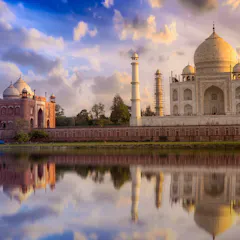
Taj Mahal is one of the most beautiful buildings in the world, but over the last four centuries it has aged and darkened from pollution.
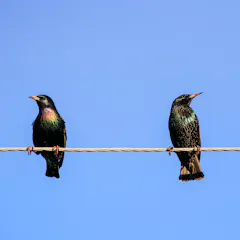
Drugs are finding their way into lakes and rivers, and we need to know exactly what they’re doing to wildlife.
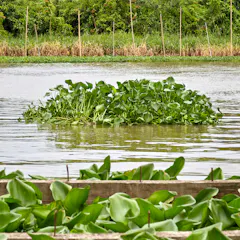
The results of phytoremediation are remarkable.
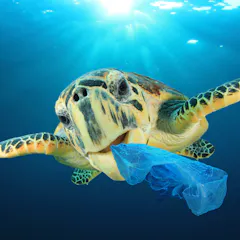
Plastic bags are commonly mistaken for food by sea animals. They require a lot of energy and resources to be made, and have caused floods in some countries.

The Environmental Justice Atlas highlights the most pertinent findings of environmental conflicts facing the world today.
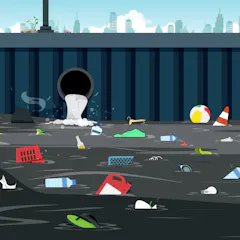
How to cut down on toxic chemicals found in common household products.
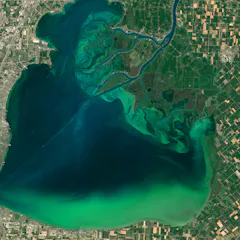
Scientists have mapped a huge dead zone in the Gulf of Oman, without enough oxygen in the water to support life. This Speed Read explains why dead zones form in waters around the world.
Michigan officials have ended distribution of free bottled water in Flint, but many residents believe the city’s water crisis is not over and have lost all trust in government.
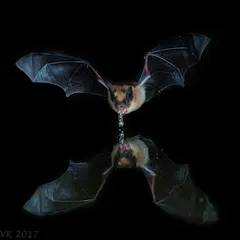
Scientists often use animals and plants as indicators to assess whether ecosystems are polluted. Tracking bats, which cover wide areas and need clean water, could become a way to find potable water.
Top contributors
-

Associate Professor in Environmental Science, Western Sydney University
-
Adjunct Principal Research Fellow, College of Science and Engineering, James Cook University
-
Professor of Biology, University of Portsmouth
-
Professor of Water Science, Liverpool John Moores University
-
Professor of Law, University of California, Davis
-
UNESCO Chair on Climate Change Variability of Natural and Cultural Heritage and Professor in Physics, James Cook University
-
Professor Emeritus of Environment and Sustainability, University of Michigan
-
Adjunct professor, University of Auckland, Waipapa Taumata Rau
-
Chief Conservation Officer, Project Seagrass & Research Affiliate, Swansea University
-
Professor of Marine Science, University of Maryland Center for Environmental Science
-
Professor of Law Emeritus, Vermont Law & Graduate School
-
Professor of Water Research; Director, Water Alliance, Michigan State University
-
Oceanographer, The University of Western Australia
-
Director, Ocean and Coastal Policy Center, Marine Science Institute, University of California, Santa Barbara
-
Emeritus Professor of Marine Science, Virginia Institute of Marine Science