
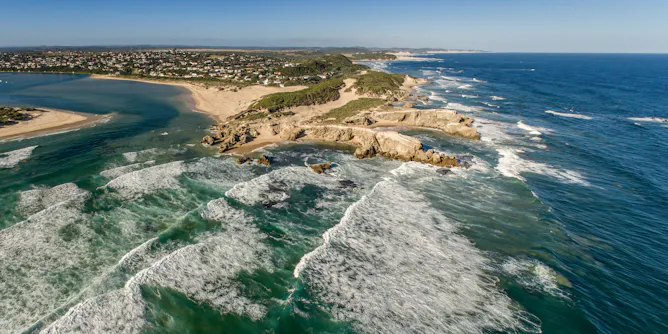
A greater understanding of interconnectedness created by river maps could influence people to become more engaged with conserving river systems.
Articles on Water pollution
Displaying 121 - 140 of 247 articles
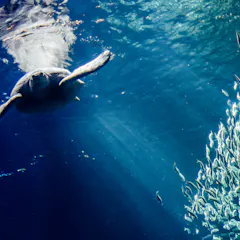
The ocean moderates climate change by absorbing CO₂ emissions, hosts valuable biodiversity and provides food to millions, but all of these services are threatened by pollution and human activities.
New Zealanders pay the costs of poor environmental and infrastructural governance, but have little opportunity to influence policy in the first place. Here’s how that could change.
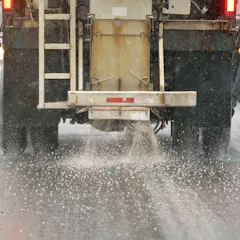
De-icing salts help us get around in winter, but they corrode cars, crack roads and contaminate rivers and lakes. Scientists are working to develop better options by imitating natural antifreezes.
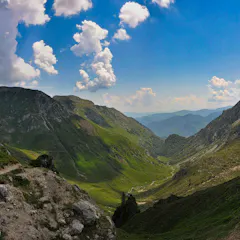
We think of mountains as remote and little affected by human activity. Unfortunately, the negative impacts of what we do has important implications for nature, wildlife and human society.
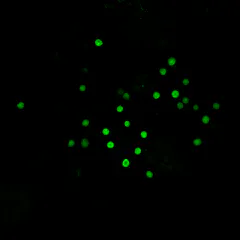
In the ocean, phytoplankton helped by diazotrophs play an outstanding role in withdrawing CO₂ from the atmosphere. But climate change is disturbing this delicate balance.
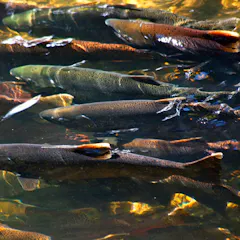
A recent US study found tyre chemicals were polluting rivers and poisoning migratory salmon.
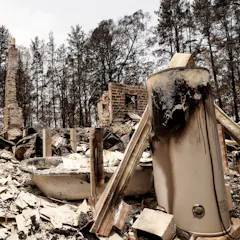
A new study shows how toxic chemicals like benzene are leaching into water systems after nearby fires. The pipes don’t have to burn – they just have to heat up.

Fish farms feed millions of people around the world, but they also consume a lot of fish that are dried or ground up to make aquafeed. Researchers are developing more sustainable alternatives.

Black Friday sales reveal fast fashion extremes. But how does it affect the planet?
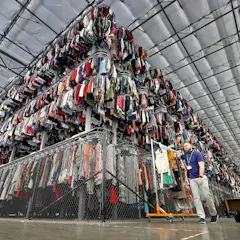
Fast fashion is far from green. But the rapid expansion of online clothing resale platforms could help shrink the garment industry’s negative impact on the environment.
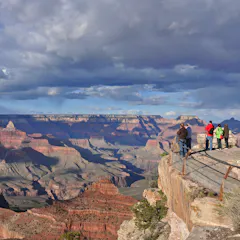
The Trump administration has used executive orders, deregulation and delays to reduce environmental regulation. Biden administration officials will use many of the same tools to undo their work.
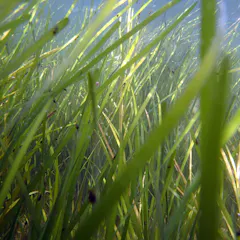
Healthy seagrasses form underwater meadows teeming with fish and shellfish. A successful large-scale restoration project in Virginia could become a model for reseeding damaged seagrass beds worldwide.

Microplastics could pose a threat to the sustenance of aquatic biodiversity when ingested by animals.
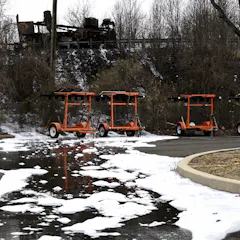
PFAS chemicals are toxic, widespread and persistent in the environment, and the federal government has been slow to regulate them. A scientist explains why evaluating them one by one isn’t working.

Conservation or copper? A proposed mine in northern Minnesota pits industrial jobs against a thriving outdoor economy.
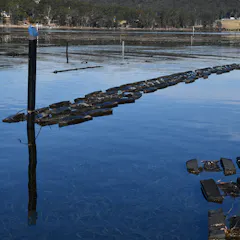
Bushfires not only destroy things on land, they can also have an impact on our seafood industry including our oyster farms.

A long-awaited NZ$700 million package to clean up New Zealand’s rivers and lakes has disappointed some of the government’s expert advisers – especially a delay on setting clear pollution limits.
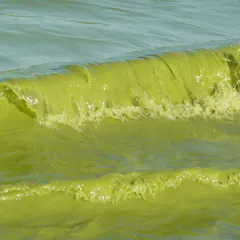
Warmer waters, heavier storms and nutrient pollution are a triple threat to Great Lakes cities’ drinking water. The solution: Cutting nutrient releases and installing systems to filter runoff.

In my 30 years of research, I keep uncovering long-standing environmental issues the mining industry doesn’t seem to learn from.
Top contributors
-

Associate Professor in Environmental Science, Western Sydney University
-
Adjunct Principal Research Fellow, College of Science and Engineering, James Cook University
-
Professor of Biology, University of Portsmouth
-
Professor of Water Science, Liverpool John Moores University
-
Professor of Law, University of California, Davis
-
UNESCO Chair on Climate Change Variability of Natural and Cultural Heritage and Professor in Physics, James Cook University
-
Professor Emeritus of Environment and Sustainability, University of Michigan
-
Adjunct professor, University of Auckland, Waipapa Taumata Rau
-
Chief Conservation Officer, Project Seagrass & Research Affiliate, Swansea University
-
Professor of Marine Science, University of Maryland Center for Environmental Science
-
Professor of Law Emeritus, Vermont Law & Graduate School
-
Professor of Water Research; Director, Water Alliance, Michigan State University
-
Oceanographer, The University of Western Australia
-
Director, Ocean and Coastal Policy Center, Marine Science Institute, University of California, Santa Barbara
-
Emeritus Professor of Marine Science, Virginia Institute of Marine Science