
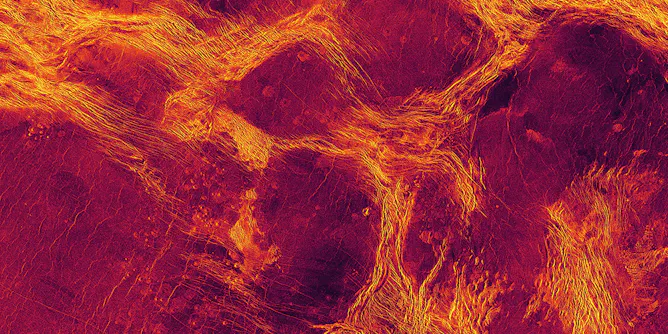
Researchers used decades-old radar data and found that some low-lying areas of Venus’ crust are moving and jostling. This evidence is some of the strongest yet of tectonic activity on Venus.
Articles on Volcanoes
Displaying 101 - 120 of 260 articles
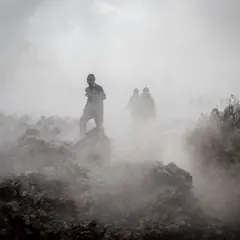
Nyiragongo is one of the most dangerous volcanoes in the world because of its fast-moving lava. It can flow at a speed of about 100km per hour.
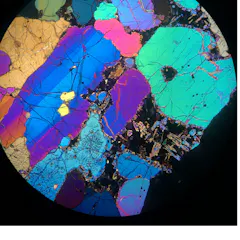
I look at fragments of the Earth’s mantle under a microscope to learn how fast molten rock moves from deep in the Earth to the surface. This can help us prepare for future volcanic eruptions.
National governments need to wake up to the volcanic risks posed by tectonic rifting around Mount Nyiragongo.
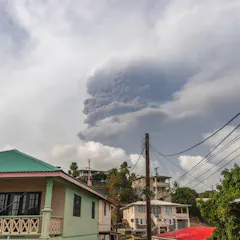
The eruption prompted the evacuation of about 20,000 people, with no casualties.
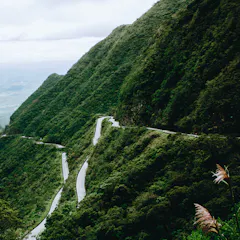
Huge volcanic eruptions were once believed to be the cause of mass extinctions on Earth. However, new research has found that super eruptions did not necessarily result in mass extinctions.

Research into the bodies of victims of the Vesuvius eruption show how pyroclastic flows affect the human body.
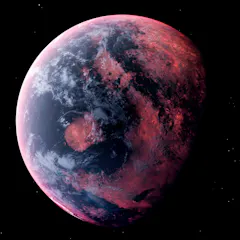
The rocks provide rare evidence of a time when Earth’s surface was a deep sea of incandescent magma.
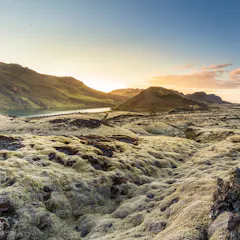
The last time south-west Iceland experienced a turbulent period of earthquakes and volcanic eruptions was in the 1300s.
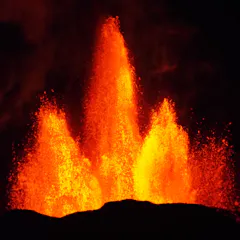
New research challenges the idea that Laki caused years of extreme weather in Scotland and has implications for how we deal with sudden, forced climate change today.
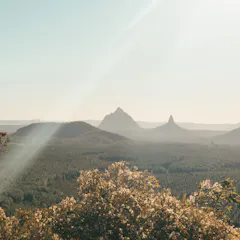
From far north Queensland to the southern tip of Tasmania, there is a common geological mechanism that links Eastern Australia’s volcanic history.
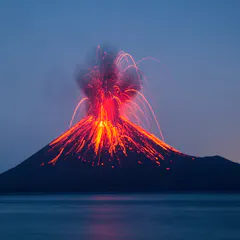
Indonesia has a warning system for tsunamis generated by earthquakes – but not volcanoes.
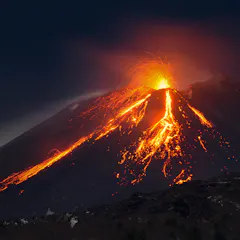
Volcanoes give lots of clues which help scientists work out if they are about to erupt.
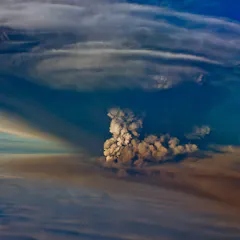
Icelandic authorities have recently raised the threat level of the Grímsvötn volcano.
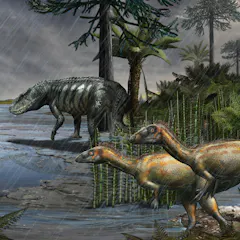
Our new research has discovered how a series of volcanic eruptions 233 million years ago fundamentally changed life on Earth.

Martian meteorites allow scientists here on Earth to decode that planet’s geology, more than a decade before the first missions are scheduled to bring rocks back home from Mars.
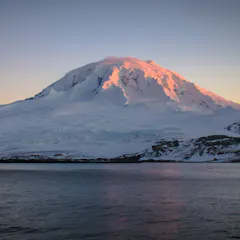
Scientists are uncovering the secrets of a giant undersea rock shelf, parts of which lie four kilometres below the ocean’s surface.
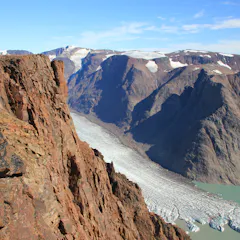
Exploration of ancient magma chambers in fossil volcanoes has the potential to provide new sources of metals that will facilitate environmentally friendly technologies.
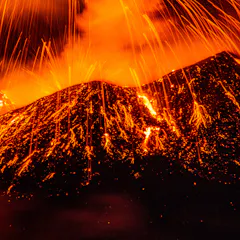
There is evidence for catastrophic climate change from protracted volcanic eruptions in the past, but since the 1950s the emissions we produce far exceed those from volcanic activity.
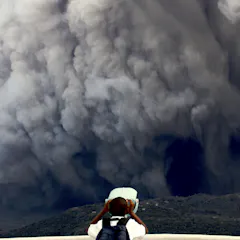
Many return to dangerous evacuation zones fully understanding the risks. New research explains why.
Top contributors
-

Senior Curator of Geosciences, Museums Victoria Research Institute; Monash University
-
Volcanologist, Lancaster University
-
ARC Future Fellow and Associate Professor in Igneous Petrology/Volcanology, The University of Queensland
-
PhD researcher in Volcanology, UCL
-
Reader in Physical Geography and Natural Hazards, Coventry University
-
Professor in Earth Sciences, Nanyang Technological University, Singapore, and Emeritus Professor of Mineral Physics, University of Cambridge
-
Lecturer in Volcanology, University of Hull
-
Professor of Planetary Geosciences, The Open University
-
Emeritus professor in geology, Australian National University
-
Professor in Earth & Climate Science, University of Southampton
-
Assistant Lecturer in Volcanology, Monash University
-
Associate Professor in Earth Sciences, University of Tasmania
-
Professor of Geography, School of Law and Society, University of the Sunshine Coast
-
Associate Professor of Geology, University of Richmond
-
Associate Professor of Geosciences; Director for the Boise State Hazard and Climate Resilience Institute, Boise State University