
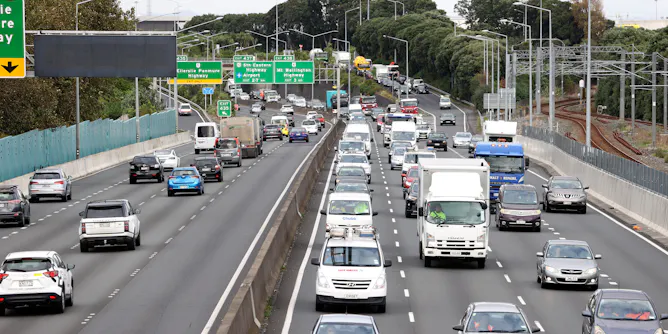
Budget 2026 increases road spending – while offering limited support for public transport, emissions cuts and climate resilience.
Articles on Road transport
Displaying 1 - 20 of 59 articles
There’s a risk that the belief that electric vehicles are much greener results in owners driving more often or faster, or using cars instead of public transport.
The health benefits of shifting to a low-carbon transport system could be greater than those achieved by anti-smoking policies, according to a major new study released today.
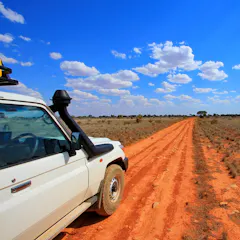
One thing we can do to reduce this transport inequity is make it easier for First Nations people to get their driver’s licence. This also brings individuals and communities many other benefits.
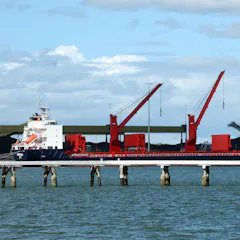
Shifting transport from air and road to sea and rail has untapped potential to slash emissions.
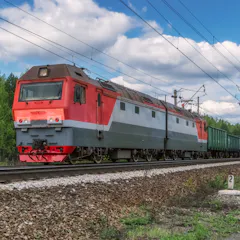
The only way to reduce soaring transport emissions is to shift as much travel as possible to the lowest-emission option.
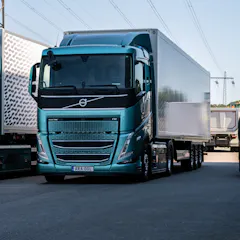
Modelling shows a shift to electric trucks is the better, faster option for cutting transport emissions under most plausible scenarios in Australia’s energy transition.
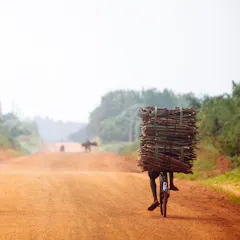
The study looked at who used a household bicycle, who didn’t, and why.

The amended rules will slow the reduction in emissions from Australia’s polluting road transport sector and reflect alarming trends, here and abroad.

Battery electric trucks offer larger and more certain emission cuts than trucks powered by hydrogen in the quest to reduce Australia’s stubbornly high transport emissions.
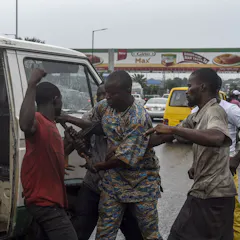
A new book focuses on the politics of road transport, the everyday corruption and the hard-living world of transport workers in Lagos, Nigeria.
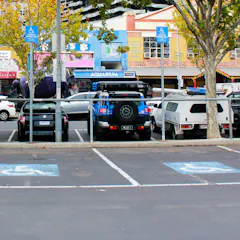
A new study estimates a reduction in emissions of only 35-45% of pre-COVID levels by 2050. Lighter vehicles and faster uptake of electric vehicles can dramatically improve progress towards net zero.
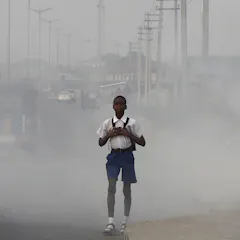
Air pollution accounts for many deaths in Africa yearly. However, this may change if people learn to protect themselves and hold their leaders accountable.
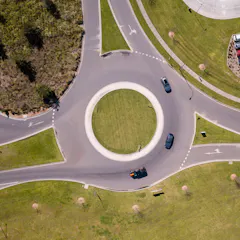
There’s more spending on small local projects, so does it follow that it’s ‘pork-barrelling’? A new report shows what really matters is if the money is allocated under objective, transparent criteria.
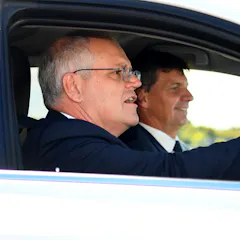
The sale of traditional vehicles would have to cease completely by 2038 to reach the government’s target. So where’s the plan to get there?
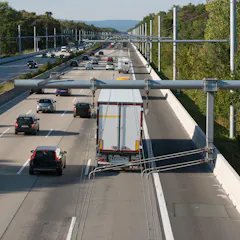
Heavy goods vehicles predominantly run on diesel. Here are three options for eliminating their emissions.

In addition to transport, Nigeria needs to pay more attention to logistics and supply chain management.
Renewables form an ever-greater share of the electricity mix. But elsewhere in the energy sector – in transport, industry and buildings – emissions reduction is very slow.
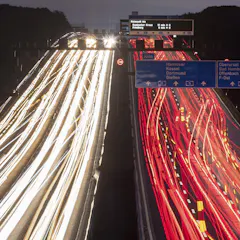
Several countries have made pledges to reduce their greenhouse gas emissions to zero by mid-century. But new research finds the remaining carbon budget will be depleted before we get there.
We’re on the road again. Getting enough COVID-19 vaccine to where it’s needed in a given time frame is the next logistical hurdle.
Top contributors
-

Associate Professor of Urban Planning, The University of Melbourne
-
Adjunct Professor of Transport, University of Technology Sydney
-
Transport and Cities Program Director, Grattan Institute
-
Professor of Transport Technology and Sustainability, Swinburne University of Technology
-
Professor of Operations Management, Manchester Metropolitan University
-
Visiting Research Fellow, Intelligent Mobility, Manchester Metropolitan University
-
Professor in Supply Chain and Freight Innovation, Swinburne University of Technology
-
Professor, School of Economics, The University of Queensland
-
Associate Professor and Principal Fellow in Urban Risk and Resilience, The University of Melbourne
-
Honorary Principal Fellow, University of Wollongong
-
Previously Honorary Research Associate, University of Cape Town
-
Professor of Urban Policy and Director, Urban Futures Enabling Impact Platform, RMIT University
-
Senior Lecturer in Urbanism, University of Sydney
-
PhD in machine ethics, University of Canterbury
-
Professor, Director of the Centre for Robotics, Queensland University of Technology