
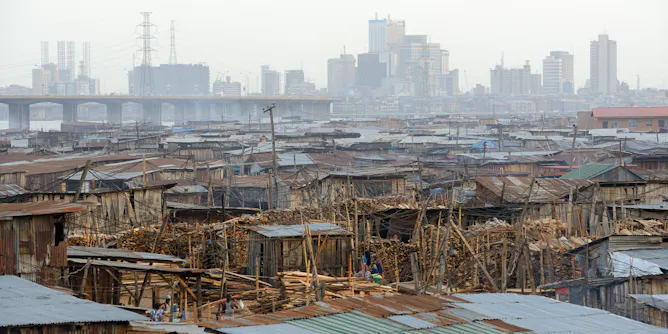
If we learn from COVID-19, there are three key areas to tackle to make cities safer from outbreaks of future infectious diseases.
Articles on Urban planning
Displaying 261 - 280 of 694 articles
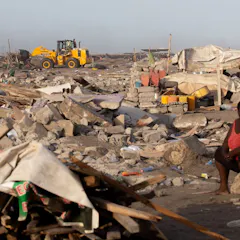
The patterns of colonial spatial violence that played out in Ghanaian cities echo around the world.
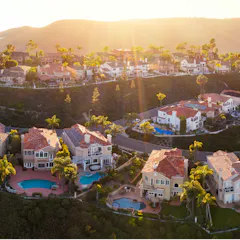
Designing urban neighbourhoods with connected streets supports walking and cycling. However, street-network sprawl is increasing globally due to urban growth via the suburbs and gated communities.
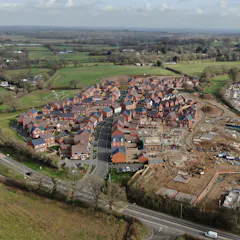
We found that planners, councillors and local communities felt local opposition made little difference to decisions about housebuilding.
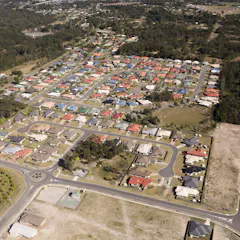
Australia lacks a coherent national approach to planning where settlement and growth happens. It’s time to take stock of our cities and regions and work together to improve outcomes across the nation.
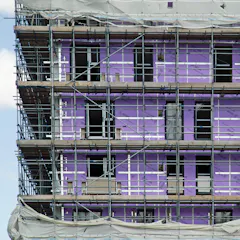
If more people work from home and shop online, many commercial buildings won’t be needed any longer. What will be needed is affordable housing, and these buildings can be converted to meet this need.
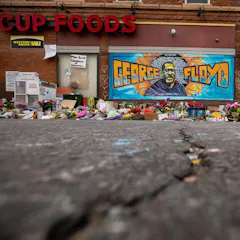
Despite its progressive image, Minneapolis is one of the most segregated cities in the United States. That is by design not accident, argues an urban planning scholar.
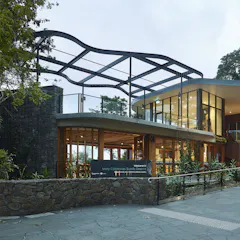
The council, developers, architects and the local community got together to set the principles of what they consider good design in this fast-growing region.
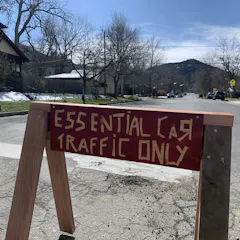
City streets were built to accommodate cars, but the COVID-19 pandemic has scrambled our transport needs. Many cities are moving to make streets more people-friendly and less car-centric.
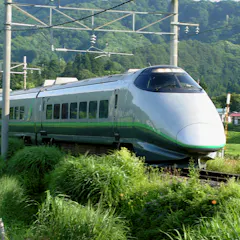
A high-speed rail network in Australia would create many benefits by reshaping cities and regional communities along its route.
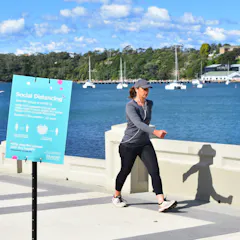
The Gender Equality Act in Victoria creates an obligation to understand how gender affects needs and experiences, and to design, assess and manage public spaces so women feel safe in those places.

City dwellers love their homes but there are different types of love that shape how cities are viewed and how they work.
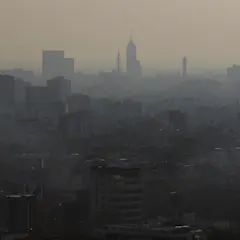
The Aztecs had a shining city on a lake, with canals, causeways and aqueducts – until the Spanish came. Mexico City is still suffering the consequences of their bad public health decisions.

First trains, then cars and, now, COVID-19 have all spurred New York to reimagine how its scarce space should be used – and what residents need to survive.
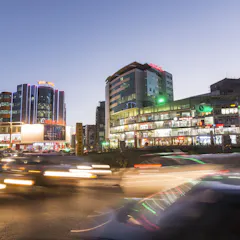
Abiy Ahmed has a vision to upgrade Ethiopia’s capital city but his ambitious megaprojects do not take the majority of Addis Ababa’s residents into account
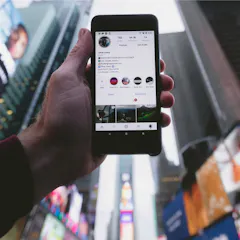
Digital communications could be a force for greater local democracy in urban planning and development, but many councils use the technologies in ways that mirror traditional consultation.
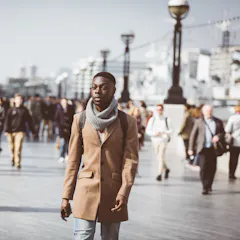
People moving to new cities build new connections and develop resources to meet their needs. But the pandemic has cut off access to the spaces and facilities that enable this.
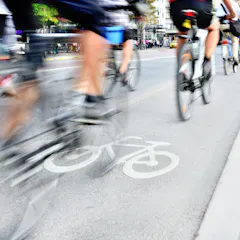
Our new tool identifies where new cycling infrastructure can be installed.
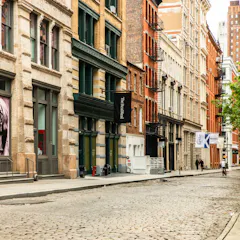
After the pandemic, we may see a shift in how we occupy cities.
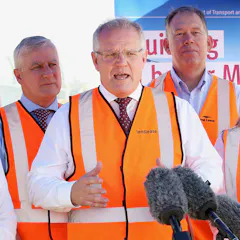
As well as an infrastructure spending boost, governments are fast-tracking approvals. But these processes exist for a reason. If we get projects wrong, we live with the consequences for decades.
Top contributors
-

Professor of Human Geography and Planning, University of Tasmania
-
Senior Lecturer in Urban and Environmental Planning, Griffith University
-
Head of Urbanism and Associate Professor of Urban Studies, School of Architecture, Design and Planning, University of Sydney
-
Associate Professor of Urban Planning, The University of Melbourne
-
Professor of Planning, School of Built Environment, UNSW
-
Associate Professor in Urban Planning, The University of Queensland
-
Professor of International Planning, Centre for Urban Research, RMIT University
-
Associate Professor in Urban and Regional Planning, University of Sydney
-
Teaching Assistant Professor, University of Pittsburg and Visiting Associate Professor, The University of Osaka, University of Pittsburgh
-
Associate professor, UNSW International Centre for Future Health Systems, UNSW
-
Honorary Professor of Planning, The University of Queensland
-
Senior Lecturer in Urban Planning & Design, Monash University
-
Professor of Sustainability, Curtin University
-
Senior Lecturer, University of Environment and Sustainable Development
-
Professor, City Futures Research Centre, UNSW