
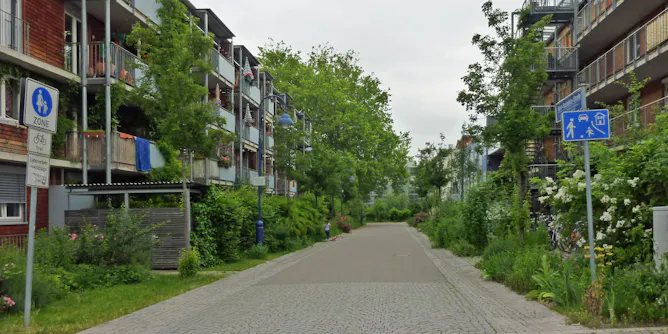
The neighbourhoods of Paris, Barcelona and Amsterdam with densities 3-5 times those of Melbourne and Sydney offer an insight into how we could transform our cities for the better.
Articles on Urban planning
Displaying 301 - 320 of 694 articles

States across Australia are increasingly using market-led proposals to build infrastructure. The emerging problems reflect the inherent risks of projects that bypass proper public planning processes.

While a majority of householders over 55 have thought about downsizing, only one in four have done it. What’s stopping them? Most simply can’t find a home in the right place that meets their needs.

More workplaces are allowing employees to telecommute, but there are still barriers to more flexible arrangements.

Having a public playground in your neighbourhood can add value to your property.

Located at the edges of cities, suburbs have a role to play in urban resilience to disasters caused or exacerbated by climate change.
Research into public health benefits of integrating nature into cities has focused on green spaces. New studies suggest water features are just as useful and can piggyback on other infrastructure goals.

A major investment in renewing the urban centre of Dandenong is starting to pay dividends. But while research has found three keys to success, the benefits haven’t reached everyone.
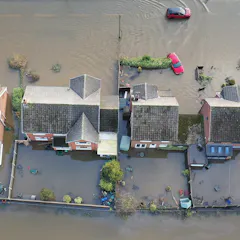
More than 300,000 homes have been built in areas of high flood risk since 1989.
Land-use planning should give more weight to the increasing risks of natural hazards like bushfires as the first step in reducing the impacts.

Residents of the ‘leafy suburbs’ will continue to fear what they might lose to increasing urban density without an explicit planning approach that enhances green space in affected neighbourhoods.

When primary school children in a disadvantaged part of Sydney were asked to map what they valued in the area, their choices were revealing and sometimes surprising.
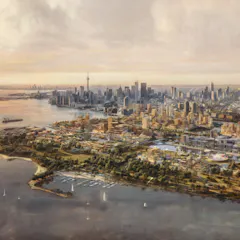
Regulating Sidewalk Labs proposed developments poses new challenges for assigning responsibility and oversight.
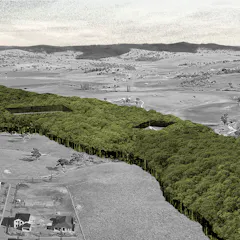
With space in our cemeteries running out, we could bury the dead in new forest developments that would bring green space to our urban areas.
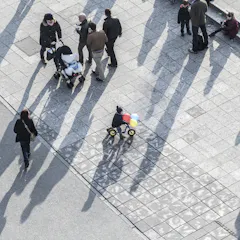
Auckland, New Zealand’s largest city, is going through a transformation of its centre and waterfront to support of walking, cycling and public transport, and less space for cars.

The Spanish city is remaking urban neighbourhoods by limiting through traffic in superblocks that give priority to pedestrians and street activities, not cars.
Shifting the capital of Indonesia and other countries may actually send the wrong message that cities too can be discarded.
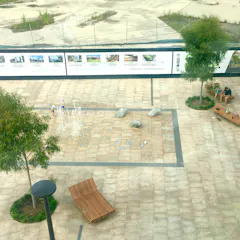
Trees and the shade they provide are one of the best ways of cooling cities. But they also present challenges that are best resolved by managing this shared resource as part of an urban commons.

The ‘superblocks’ are expected to have massive benefits for health and well-being – but it takes good governance.
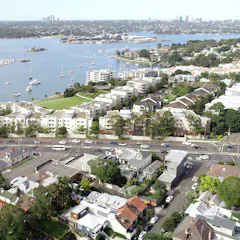
Greater urban density is making it harder to preserve, let alone increase, tree cover. It’s vital, then, to demonstrate the full value of green infrastructure for healthy liveable cities.
Top contributors
-

Professor of Human Geography and Planning, University of Tasmania
-
Senior Lecturer in Urban and Environmental Planning, Griffith University
-
Head of Urbanism and Associate Professor of Urban Studies, School of Architecture, Design and Planning, University of Sydney
-
Associate Professor of Urban Planning, The University of Melbourne
-
Professor of Planning, School of Built Environment, UNSW
-
Associate Professor in Urban Planning, The University of Queensland
-
Professor of International Planning, Centre for Urban Research, RMIT University
-
Associate Professor in Urban and Regional Planning, University of Sydney
-
Teaching Assistant Professor, University of Pittsburg and Visiting Associate Professor, The University of Osaka, University of Pittsburgh
-
Associate professor, UNSW International Centre for Future Health Systems, UNSW
-
Honorary Professor of Planning, The University of Queensland
-
Senior Lecturer in Urban Planning & Design, Monash University
-
Professor of Sustainability, Curtin University
-
Senior Lecturer, University of Environment and Sustainable Development
-
Professor, City Futures Research Centre, UNSW