
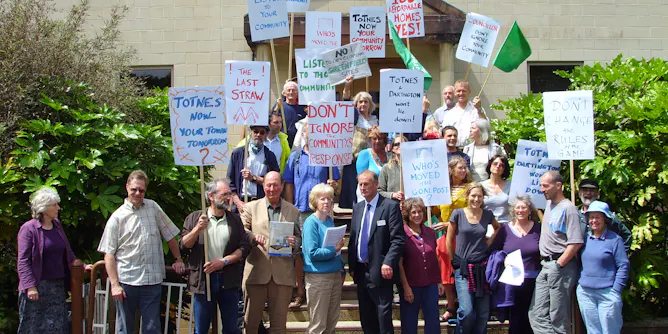
The UK government has been trying to hand planning power over to local people for 50 years – but research reveals it has fallen far short of its goals.
Articles on Urban planning
Displaying 321 - 340 of 694 articles
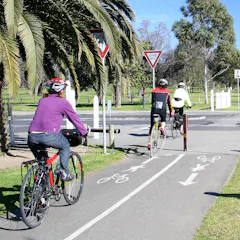
Planners understand the key elements of urban communities that will improve residents’ health and well-being. They also need to be able to convince others to create such communities.
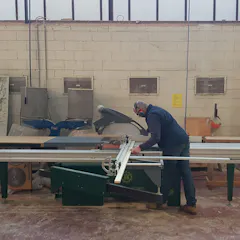
Rezoning to mixed-use residential development drove small manufacturers and creative producers out of the inner city. The result is less diversity of land uses, jobs and services where we most want it.
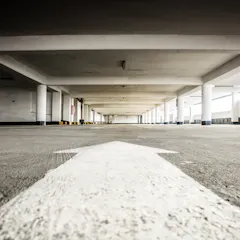
Self-driving cars may someday drop off their owners downtown and then leave to find free parking. What would that mean for cities of the future?

A report based on public consultations conducted by Sidewalk Labs has still not answered many pressing concerns about privacy and consent in Toronto’s Quayside development.
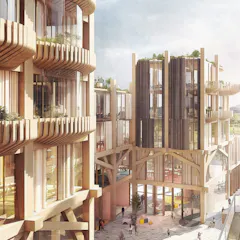
Sidewalk Labs has released its Master Innovation and Development Plan and invited the public to provide feedback.
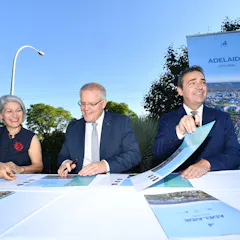
The seemingly ad hoc collection of nine City Deals announced so far falls short of a national settlement strategy that finally gets to grips with where our growing population might live and live well.
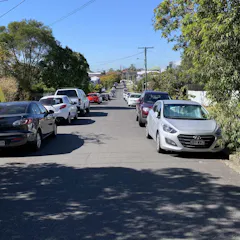
The global trend is to free up valuable city space by reducing parking and promoting other forms of transport that don’t clog roads and pollute the air. Australian cities are still putting cars first.
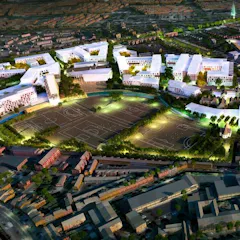
Smart cities are more likely to be defined by quieter upgrades to existing infrastructure and new partnerships that better represent residents.

New York City’s municipal budget relies heavily on the property taxes of extremely high-value real estate. That drives gentrification and distorts local policy in other ways that hurt residents.
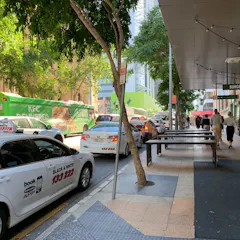
Cities must manage all the competing uses for limited roadside space to avoid congestion and maximise efficiency. And that begins with reliable data.
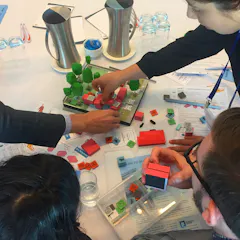
Faced with local planning changes like infill development people often fear they could lose the neighbourhood they love. But serious games are proving effective in giving locals a say in their future.
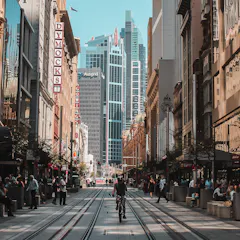
The car revolutionised the way people travel – but at a heavy cost. Now, car-free cities will only work when there’s reliable public transit and access for all.
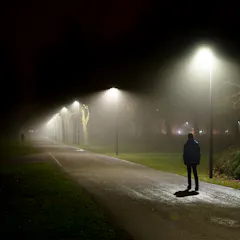
Bright lighting alone does not make a space feel safe. It can blind and disorientate and create dark shadows at the edges. Tellingly, ‘unsafe’ places had much higher illuminance than ‘safe’ places.

Planning controls in Melbourne were eased 20 years ago, with mixed results, and new limits are now in place. Will other cities that have eased height limits, like Adelaide, avoid the same mistakes?
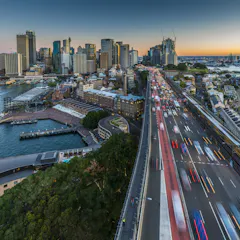
When a city gets to a certain size, it starts to make sense to have multiple centres of activity, and three are planned for Sydney. So what needs to be done to bring the city closer to this goal?
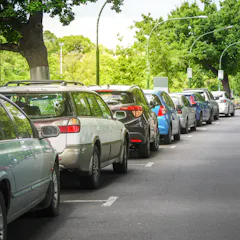
Australian cities have a glut of parking, even as politicians move to protect parking spaces or promise even more. There are better ways to keep congestion manageable and our cities liveable.
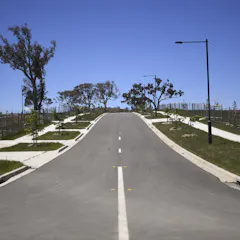
A sense of place matters for people and communities. When a suburb is created from scratch, close attention needs to be paid to the cues from the landscape and meanings people attach to the area.
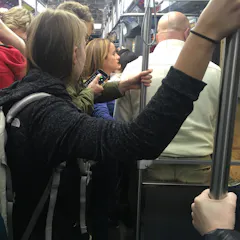
Traffic impact assessments required of major building developments mainly focus on the movement of cars, but these account for only 30-40% of trips by inner-city apartment dwellers.
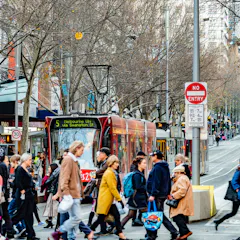
A newly released ten-year plan for Melbourne aims for fewer cars, safer streets and more shared spaces. A significant amount of parking and road space would be reallocated to walking and cycling.
Top contributors
-

Professor of Human Geography and Planning, University of Tasmania
-
Senior Lecturer in Urban and Environmental Planning, Griffith University
-
Head of Urbanism and Associate Professor of Urban Studies, School of Architecture, Design and Planning, University of Sydney
-
Associate Professor of Urban Planning, The University of Melbourne
-
Professor of Planning, School of Built Environment, UNSW
-
Associate Professor in Urban Planning, The University of Queensland
-
Professor of International Planning, Centre for Urban Research, RMIT University
-
Associate Professor in Urban and Regional Planning, University of Sydney
-
Teaching Assistant Professor, University of Pittsburg and Visiting Associate Professor, The University of Osaka, University of Pittsburgh
-
Associate professor, UNSW International Centre for Future Health Systems, UNSW
-
Honorary Professor of Planning, The University of Queensland
-
Senior Lecturer in Urban Planning & Design, Monash University
-
Professor of Sustainability, Curtin University
-
Senior Lecturer, University of Environment and Sustainable Development
-
Professor, City Futures Research Centre, UNSW