
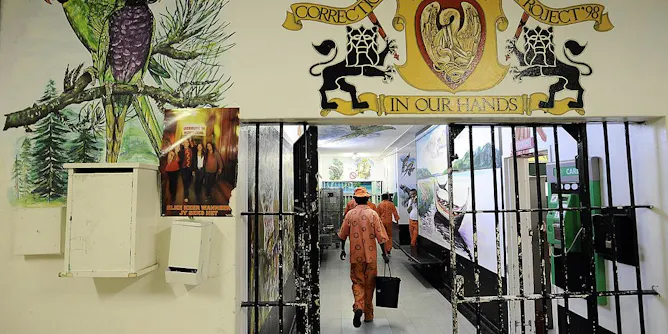
The overcrowded conditions of prisons make them a high-risk environment for the spread of infectious diseases such as TB.
Articles on Tuberculosis (TB)
Displaying 41 - 60 of 193 articles
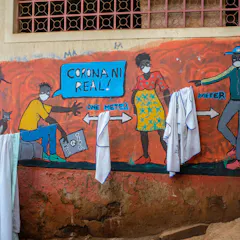
Outpatient visits, screening and diagnostic services, and child immunisation were particularly negatively affected.
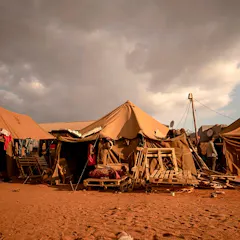
Beitbridge and Musina are two border towns in Zimbabwe and South Africa that see many migrants pass through – with different health needs.
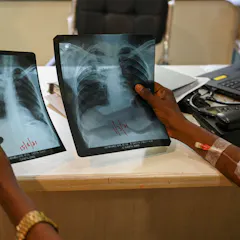
To understand the perceptions of TB patients about their quality of life, it’s useful to have a comparison with “apparently healthy” people.
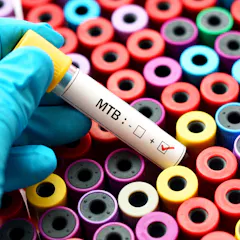
As antibiotics lose their power to treat some forms of TB, interest in the antibacterial powers of curdlan is rising.

We expected to find that screening everybody for TB would identify individuals not yet diagnosed, and treating them quickly would reduce the prevalence of TB in the community.

An inhaled COVID-19 vaccine would go directly to where the body would use it: the mucosal surface of the airways. This could mean less waste and more benefit, lower costs and reduced side-effects.

The risk of dying changes over the course of a lifetime. Very high at birth, it falls and then gradually rises again… except for a peak after adolescence. Why such a statistical anomaly?

India’s recent Tuberculosis survey showed worse results than expected.
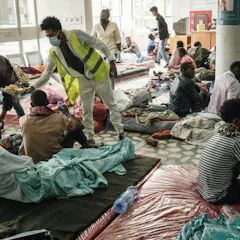
Unless special attention is given to conflict and HIV the war will undermine the achievement of the 2030 goals to end AIDS, discrimination, and new infections.
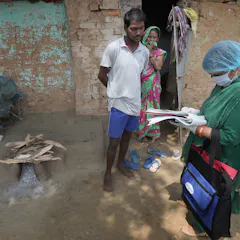
In high-income countries people at high risk of TB disease undergo screening programmes even when they have no symptoms.
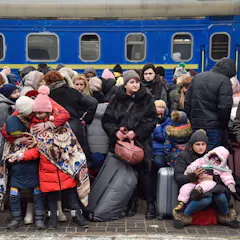
Ukraine has one of the highest rates of multidrug-resistant TB in the world.
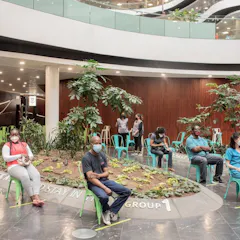
South Africa is in a new phase of the COVID pandemic. But vaccination remains crucial.

In 2020 TB case detection fell by almost 20% and mortality rose for the first time in a decade. These setbacks are directly attributable to the COVID-19 pandemic.
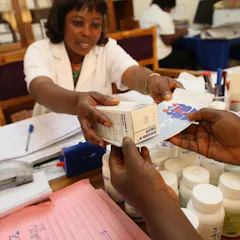
Aids deaths should be falling faster, but treatable fungal disease is keeping the numbers high.
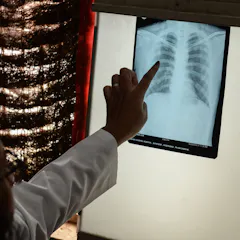
Manufacturers and health systems have shown that vaccines can be quickly and effectively deployed when accompanied by keen political and financial commitments.

As a disease progresses, so too must the underlying data and reporting improve to manage the progression of the outbreak.
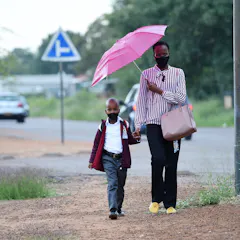
The challenges presented by the pandemic are an opportunity for African health systems to move beyond their current limitations.

After a nose swab tests positive for a virus or bacteria, scientists can use the sample’s genetic sequence to figure out where and when the pathogen emerged and how fast it’s changing.
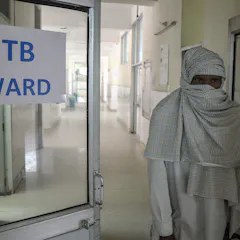
This challenges the current assumption that coughing is the primary driver of TB transmission.
Top contributors
-

Canada Research Chair of Epidemiology & Global Health, McGill University
-
Assistant Professor, Africa Health Research Institute (AHRI)
-
Head of the Centre of Excellence for Biomedical TB Research, University of the Witwatersrand
-
Deputy Director of the Centre for Tuberculosis Research, Reader in Tuberculosis and Social Medicine, Liverpool School of Tropical Medicine, Liverpool, UK; and Honorary Research Associate at Karolinska Institutet, Stockholm, Sweden, and, University of Liverpool
-
Faculty Member, Africa Health Research Institute; Associate professor, UCL
-
Associate Professor, Melbourne Health
-
Extraordinary Senior Lecture in the Department of Global Health, Stellenbosch University
-
Honorary Research Associate, Centre for Infectious Disease Epidemiology and Research, University of Cape Town
-
Professor; Director Sydney ID, University of Sydney
-
Faculty Member, Africa Health Research Institute; Wellcome Trust Senior Research Fellow, UCL
-
Associate Professor, Pharmaceutical Sciences, University of the Western Cape
-
Extraordinary Professor, Global Health, Stellenbosch University; South African Medical Research Council
-
Associate Professor of Biomedical Engineering, University of Michigan
-
Associate Professor, SARChI Research Chair in Mycobactomics, Stellenbosch University
-
Head of the Division of Pulmonology, University of Cape Town