
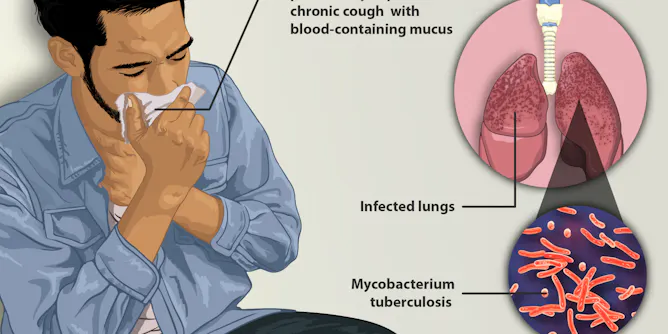
Indonesia has the world’s second-highest rates of TB – but lack of funding means not enough people are being diagnosed and treated fast enough.
Articles on Tuberculosis (TB)
Displaying 21 - 40 of 193 articles

Cases of tuberculosis have been detected in South Australia over the past 17 months. Here’s what you need to know about the disease.

Cancer screening and other routine primary care can help address inequities if we choose to leave the unfair status quo behind.
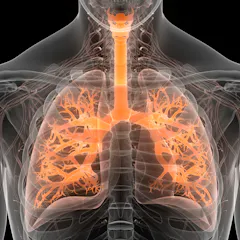
In South Africa men are 70% more likely to die from TB than women. Tackling social factors such as smoking and high alcohol consumption could save more lives.

TB is the single most deadly infectious killer of humankind. New research shows food and proper nutrition work like a vaccine against the disease.

Tuberculosis is a preventable and curable disease, yet before the pandemic, it killed more people than any other infectious disease.
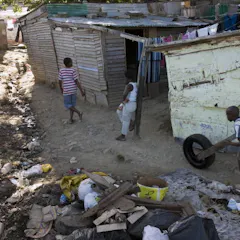
Social enterprises need to be proactive in improving their internal processes and structures. They also need to share essential information.
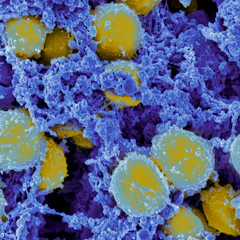
Drug-resistant microbes are a serious threat for future pandemics, but the new draft of the WHO’s international pandemic agreement may not include provisions for antimicrobial resistance.

Alcohol use contributes to over 200 different diseases, injuries, and conditions. It is also a risk factor for gender-based violence and violent crime.

This whirlwind tour of social history describes how infectious diseases have shaped humanity at every stage. It suggests reducing inequality will give us our best chance of surviving future plagues.
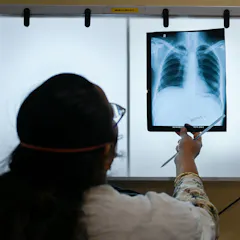
Less than half of the children aged 0-14 who have TB are diagnosed – so they never even start treatment.
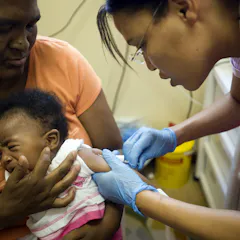
Progress in many areas of TB control stalled or reversed mainly because of the COVID-19 pandemic and the recent geo-political situations.

BCG has been around for a century, but it’s still being studied for its ‘non-specific effects’.
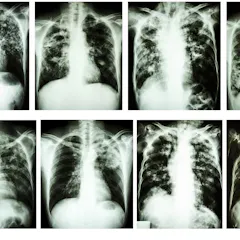
Ashkenazi Jews are significantly more susceptible to a rare genetic disorder known as Gaucher disease.
We need a combination of new approaches to reduce age disparate sex. And we need new technologies to protect young women.

An expert in the lives and works Brontës argues that it’s time for a radical change in the way we think about Emily Brontë’s death.
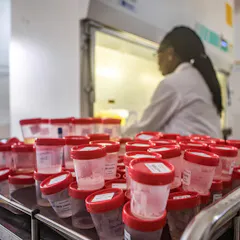
Intensified efforts to obtain funding are urgently required to mitigate and reverse the negative impacts of the COVID-19 pandemic on TB.

Addressing the noncommunicable disease pandemic can also mitigate challenges facing people living with HIV and complement efforts against TB.

There are several reasons that TB patients don’t or can’t adhere to their treatment.
Some vulnerable populations may have fallen through the cracks despite efforts to improve access to HIV services during the pandemic in Nigeria.
Top contributors
-

Canada Research Chair of Epidemiology & Global Health, McGill University
-
Assistant Professor, Africa Health Research Institute (AHRI)
-
Head of the Centre of Excellence for Biomedical TB Research, University of the Witwatersrand
-
Deputy Director of the Centre for Tuberculosis Research, Reader in Tuberculosis and Social Medicine, Liverpool School of Tropical Medicine, Liverpool, UK; and Honorary Research Associate at Karolinska Institutet, Stockholm, Sweden, and, University of Liverpool
-
Faculty Member, Africa Health Research Institute; Associate professor, UCL
-
Associate Professor, Melbourne Health
-
Extraordinary Senior Lecture in the Department of Global Health, Stellenbosch University
-
Honorary Research Associate, Centre for Infectious Disease Epidemiology and Research, University of Cape Town
-
Professor; Director Sydney ID, University of Sydney
-
Faculty Member, Africa Health Research Institute; Wellcome Trust Senior Research Fellow, UCL
-
Associate Professor, Pharmaceutical Sciences, University of the Western Cape
-
Extraordinary Professor, Global Health, Stellenbosch University; South African Medical Research Council
-
Associate Professor of Biomedical Engineering, University of Michigan
-
Associate Professor, SARChI Research Chair in Mycobactomics, Stellenbosch University
-
Head of the Division of Pulmonology, University of Cape Town