
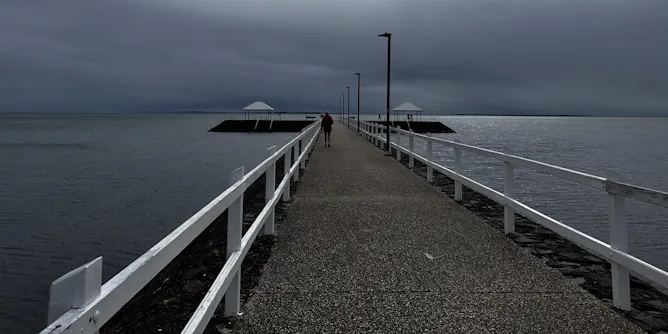
This is a particularly tough time for people who have lived through other disasters. Here are some signs of retraumatisation to watch out for.
Articles on Trauma
Displaying 61 - 80 of 409 articles

Sexual assault services provide more than just medical forensic examination, and in a recent study, 75% of people who used one found the process reassuring.
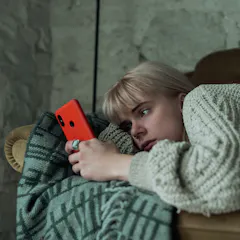
Do you ‘trauma dump’ on social media? Read this first.
If you need to access social services, you deserve to know whether the provider is using artificial intelligence in any way.
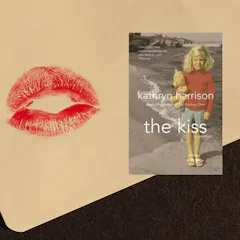
Now we know how power dynamics complicate consent is it time to revisit The Kiss?

Although concentration camp survivors followed different trajectories and displayed different levels of resilience, four main survivor profiles emerge.
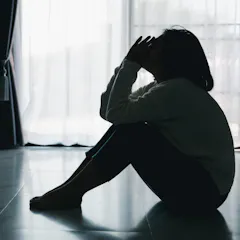
Retraumatisation can lead to mental health crises including suicidal thoughts and actions, self-harm and agoraphobia.
Breathwork is an ancient practice to calm the mind and improve physical health.
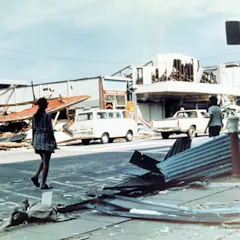
Cyclone Tracy reshaped Darwin and marked a turning point in Australia’s approach to disaster resilience.
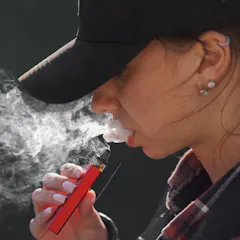
We found teenagers who’d had traumatic experiences by age 12 were more likely to be vaping regularly at 15.

The child protection system didn’t protect Bundjalung Widubul-Wiabul woman Vanessa Turnbull-Roberts – it removed her from a loving family. Her book is a reality check.

Treating all adversity as inherently negative does a disservice to children and their ability to develop adaptive coping mechanisms that can protect them in future cases of adversity.

New research finds that marmots who experience adversity early in life have a lesser chance of survival.

The impact of wars on children is vast and multifaceted. The trauma inflicted is enduring and will shape the rest of their lives — and by extension, the societies in which they and we live.
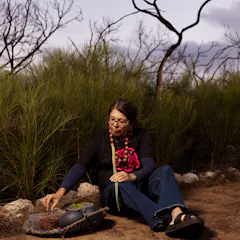
Charmaine Papertalk Green sifts through the violent, traumatic colonial archive, to know more about her Old People. It’s heartbreaking work, but a sliver of information can make a world of difference.
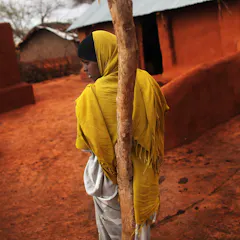
Depression can severely hinder the ability of refugees to rebuild their lives and integrate into host communities.

Health and wellbeing are greatly affected by extreme weather events. New research into how people and systems responded after Cyclone Gabrielle shows how we can react better to future emergencies.
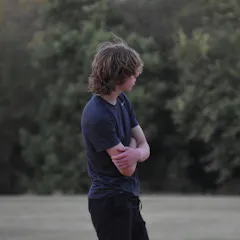
We can’t isolate human misery from its broader context. But while adverse environments play a role in the youth mental health crisis, culture is crucial too.
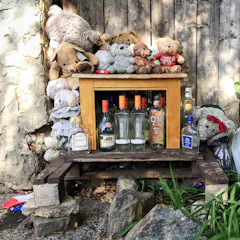
Makeshift memorials are public expressions of private mourning in response to trauma and tragedy.
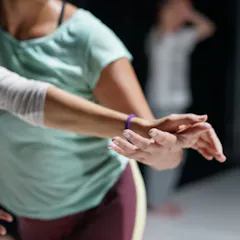
Somatic therapies go further than understanding that emotions like stress can affect physical health. People are guided to bring awareness to their body and explore how sensations may be released.
Top contributors
-

Professor of Psychiatry, Wayne State University
-
Professor of Psychology, The University of Melbourne
-
Senior Lecturer in Humanities, University of Southern Queensland
-
Albert E. Kent Professor of Psychiatry, Yale University
-
Professor of Social Work, CQUniversity Australia
-
Professor of Psychology, University of Denver
-
Professor & Director of Traumatic Stress Clinic, UNSW
-
Associate Lecturer in Creative Writing, University of Sydney
-
Senior Research Fellow, The Kids Research Institute Australia
-
Associate Professor, Paramedicine and Head of Department, Rural Allied Health, La Trobe University
-
Professor of English, Flinders University
-
Distinguished Professor of Pharmacy Practice, University of Connecticut
-
Counseling Psychologist, Catholic University of Eastern Africa
-
Professor, Department of Psychiatry, The University of Melbourne
-
Casual Academic, Creative Writing and English Literature, Flinders University