
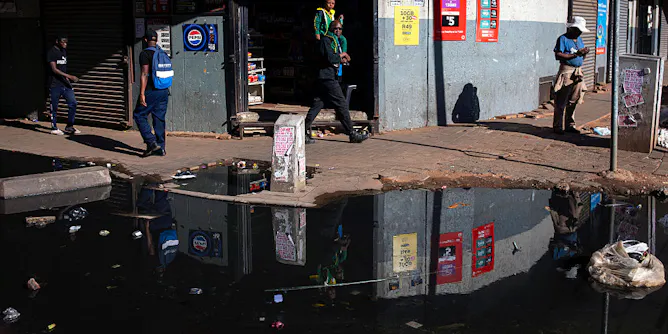
The recovery of Medellín in Colombia depended on a city government that could combine security, investment and capable utilities.
Articles on Violence
Displaying 1 - 20 of 576 articles

Many children are seeing aspects of their identity portrayed as problematic. Having regular conversations about identity can armor them against future harm.
South Africa’s social workers face a huge burden without much support, and burnout is a risk.
Parents play a vital role in educating young people about sex, sexuality and pornography. But where do you start?

Managing religious affairs in Ethiopia is crucial for national cohesion and broader peacebuilding processes.
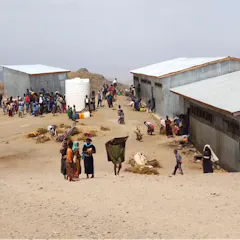
Recent confrontations in Tigray are a sign that the 2022 peace process has seriously derailed.
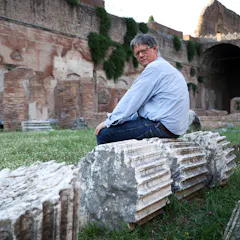
His latest – and possibly last – book tackles America’s foreign policy before and after 9/11. Could it also serve as an antidote to the fragmented attention and political duplicity of our current moment?
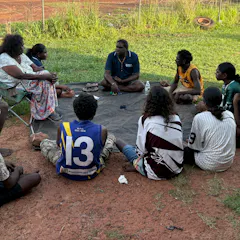
Elders say there are many drivers of community violence and unrest that go unaddressed by typical law and order responses. Here’s what they’re doing instead.
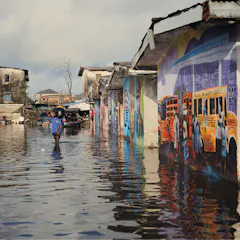
Crises that add up on top of each other have to be addressed in an integrated way.

The men responsible for the bloodshed 150 years ago were never prosecuted; instead, they rose to South Carolina’s highest offices.

For some people caught in conflict zones, remaining is the choice they feel they can live with.

When does a shooting become terrorism? A Texas case could help define the answer.
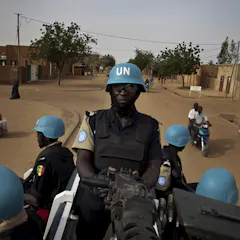
A child born into a community with a history of political unrest is at higher risk of abuse as they grow into a young adult.

Most people credit policing or the lack of it, but the real story tracks three trends that rose and fell together.

Mysterious, unwieldy and often captivating, Julian Schnabel’s film refuses easy categorisation.

The only interventions capable of disrupting xenophobia are those that lower, or ideally eliminate, its political, economic and social benefits.
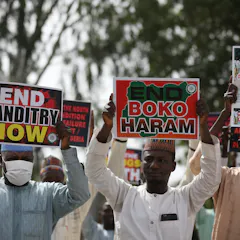
Banditry is widespread in Nigeria but knowledge about its character and nature is limited.
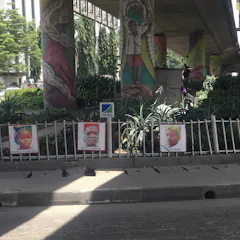
When armed groups use child recruitment or sexual violence, the impact of conflict on schooling is much more severe than in conflicts without these tactics.
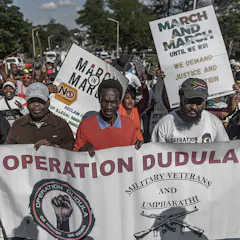
Organisations behind the wave of xenophobia use the language of participation, community and people’s power to justify marginalisation.
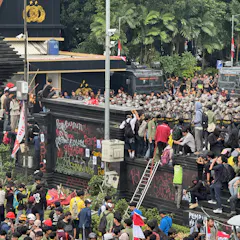
Today in Indonesia, graphics of violent/gory/brutal images and videos often function as political evidence.
Top contributors
-

Professor (Practice), Faculty of Business and Economics, Monash University
-
Principal Research Fellow, Griffith University
-
Professor of Violence Prevention and Addiction Studies, Deakin University
-
Senior Lecturer, School of Media, Film and Journalism, Monash University
-
Co-Director of the Wits-Oxford Mobility Governance Lab, University of the Witwatersrand
-
Professor of International Politics, Lancaster University
-
Professor of Sociology, School of Justice, Queensland University of Technology
-
Professor of Communication, The Ohio State University
-
Professor of Criminal Justice, Metropolitan State University
-
Professor Gender and Childhood Sexuality, University of KwaZulu-Natal
-
Associate Professor in Criminal Justice and Criminology, Bond University
-
Richard von Weizsäcker Fellow na Bosch Academy e Co-fundador, Instituto Igarapé; Princeton University
-
Professor of Family Violence Prevention, The University of Melbourne
-
Associate Research Professor of Social Psychology, Louisiana State University
-
Emeritus Professor Monash University, Monash University