

Guilt and shame from being rejected, discriminated against or bullied as a child can carry into adulthood. But making meaning from these experiences can help with healing.
Articles on Childhood trauma
Displaying 1 - 20 of 63 articles

Long-term data shows children are more likely to develop mental health issues when their parents experience financial stress and housing instability.
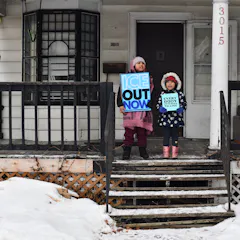
Children with a parent or family member who is detained, or are part of a drawn-out immigration court case, are twice as likely to have anxiety as young adults.

Being exposed to trauma in childhood is linked to serious mental and physical health issues later in life. These findings show trauma is not rare.

Start by understanding that what happened to you wasn’t your fault.

After four years’ isolation, the Phillips children will likely struggle to understand and believe the world is different from the version their father may have told them.

One child said: ‘I should have been allowed in the courtroom and been allowed to say what I wanted.’

Treatment should focus on the underlying causes of borderline personality disorder – trauma – rather stigmatise the person.

War, abuse, neglect and famine leave deep scars, but our psyches can heal.

New research shows kids with more positive experiences – from stable routines to enriching social activities – were significantly less likely to be obese by age eight.

Treating all adversity as inherently negative does a disservice to children and their ability to develop adaptive coping mechanisms that can protect them in future cases of adversity.

New research finds a link between childhood trauma and a reduced engagement with healthcare services later in life.

Scrooge was a neglected child whose trauma haunted him into old age.

Childhood adversity can put people at risk of perpetrating domestic violence in the future. Having a supportive social network and learning ways to regulate the stress response, however, can help.

People with adverse experiences during childhood − whether physical, emotional or sexual abuse − had higher rates of death and hospitalization decades later from COVID-19.

Childhood trauma can completely alter the trajectory of someone’s life, but for others, it barely affects them at all. After going through trauma, why do some people seem fine?

One treatment option for children’s trauma is eye movement desensitisation and reprocessing, or EMDR. Here’s how it works and what the research says about its effectiveness.
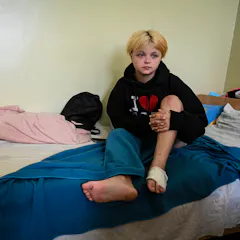
No matter their age, gender, ethnicity or locale, kids undergoing this therapy can make real progress in recovering from the most devastating traumas.
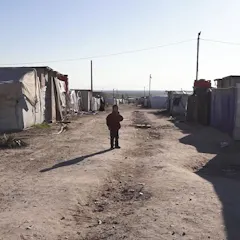
Though young, the trauma experienced by children in Syrian detention camps could have lifelong effects. A coordinated approach is needed to support them into new lives here.

The impact of early childhood trauma on lifelong physical and mental health makes it urgent to invest in programs to support healthy pregnancies and stable, caring very early childhoods.
Top contributors
-

Assistant Professor in Psychology, Bond University
-
Professor of Psychiatry, University of Toronto
-
Associate Professor of Criminal Justice, State University of New York Oswego
-
Associate Professor, School of Public Health, Georgia State University
-
Professor of Psychiatry, University of Toronto
-
Senior Lecturer in Criminology, Edge Hill University
-
Imaging/Digitization Specialist, Michigan State University
-
Director, Center of Excellence for Children's Behavioral Health, Georgia Health Policy Center, Georgia State University
-
Postdoctoral Research Fellow, The Matilda Centre for Research in Mental Health and Substance Use, University of Sydney
-
Professor of Child Psychiatry, University of Leicester
-
Founder & CEO, Black Box Research and Consultancy
-
Senior Research Associate, Georgia Health Policy Center, Georgia State University
-
Lecurer, Department of Psychology, University of Cape Town
-
Professor of Law, University College Cork; Independent Social Research Foundation
-
Associate Professor at The Matilda Centre for Research in Mental Health and Substance Use, University of Sydney