

Social support is particularly important to help process these traumatic events and promote recovery.
Articles on Trauma
Displaying 101 - 120 of 409 articles

The ‘troubled-teen industry’ is big business, and it’s causing a lot of harm.
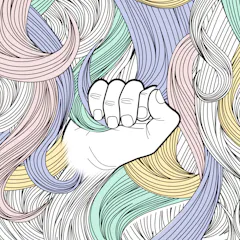
Adele Dumont’s affecting memoir, The Pulling, draws the reader into the secrecy, shame and impulses behind trichotilllomania, or compulsive hair-pulling.

On the surface, All of Us Strangers is a dark and twisty love story. Underneath, there is the often-present storyline seen in queer cinema: that of trauma and tragedy.

Bearing witness to the displaced victims of the Oct. 7 attack on Kibbutz Be'eri carries a burden of responsibility to observe and document

A major new report identifies how a ‘trauma-informed’ justice system would acknowledge and act on the deprivation and mental health problems experienced by so many offenders.

There are many social assumptions about how to best ‘get through’ grief. We interview 95 people about their experiences of loss and found we need to rethink what grief looks and feels like.

The toll of Russia’s invasion of Ukraine on people’s wellbeing was felt worldwide. The effects were temporary for most. But those high on certain psychological traits struggled for longer.

Additional research and attention is needed — particularly in Canada — to provide schools with evidence-based, trauma-informed and culturally attuned approaches to school discipline.
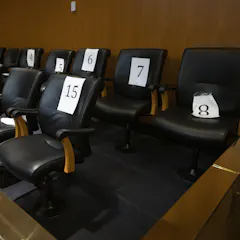
Harrowing cases can traumatise jurors, yet in England and Wales they receive no formal support

Haigh’s ghostly, dream-like setting offers a powerful remedy for an ageing generation of gay men coming to terms with the grief that pervaded their young lives.

The virality of Elmo’s X post showcases how fictional characters are turning into influencers.

Dassi Erlich details the crime, the cover-up and her eventual victory in court against Malka Leifer, the former school principal who abused her.
Post-traumatic stress disorder can’t be diagnosed over social media.
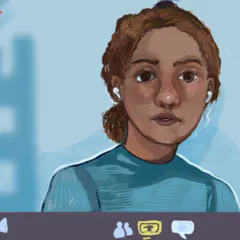
Developing trauma-aware interview skills is part of teaching students how to ethically and sensitively report on traumatic events, and learn how to take care of their own mental health and well-being.

Supportive relationships, economic stability and exercise are among the building blocks that develop resilience.

A trauma-informed therapist discusses how grief affects the brain and highlights the role of a sixth stage of grief – finding meaning – in the healing process.

Childhood adversity can put people at risk of perpetrating domestic violence in the future. Having a supportive social network and learning ways to regulate the stress response, however, can help.
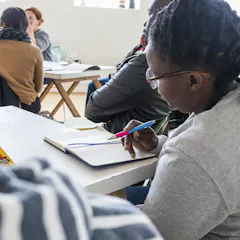
The benefits of creative writing are particularly important in countries where there’s a need to build a caring society and there are limited resources.
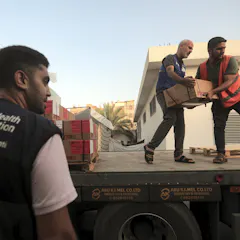
Aid workers consistently face a host of moral challenges and often have to make difficult choices. Organizations need to be aware of the mental impact on their staff and provide support.
Top contributors
-

Professor of Psychiatry, Wayne State University
-
Professor of Psychology, The University of Melbourne
-
Senior Lecturer in Humanities, University of Southern Queensland
-
Albert E. Kent Professor of Psychiatry, Yale University
-
Professor of Social Work, CQUniversity Australia
-
Professor of Psychology, University of Denver
-
Professor & Director of Traumatic Stress Clinic, UNSW
-
Associate Lecturer in Creative Writing, University of Sydney
-
Senior Research Fellow, The Kids Research Institute Australia
-
Associate Professor, Paramedicine and Head of Department, Rural Allied Health, La Trobe University
-
Professor of English, Flinders University
-
Distinguished Professor of Pharmacy Practice, University of Connecticut
-
Counseling Psychologist, Catholic University of Eastern Africa
-
Professor, Department of Psychiatry, The University of Melbourne
-
Casual Academic, Creative Writing and English Literature, Flinders University