

Nobody’s Girl is Virginia Giuffre’s inside account of the two years she spent as a ‘sex slave’ working for Jeffrey Epstein and co-conspirator Ghislaine Maxwell.
Articles on Trauma
Displaying 41 - 60 of 409 articles

Dissociation is the brain’s way of protecting itself from overwhelming stress or emotion, and it’s often linked to trauma.
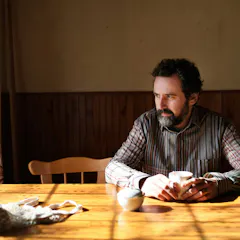
Our need for closure runs deep. Without it, old memories intrude like uninvited guests, resurfacing with regret, anger or confusion, even years later.

Sad Tiger and Trauma Plot are two stunning memoirs by rape survivors who immerse themselves in art and literature. They both transcend ‘art as therapy’.

In Elizabeth Gilbert’s shocking new confessional memoir, she falls in love with her dying best friend, enables her addiction – and once again blows up her own life.

As social media platforms make it easier for millions of people near and far to witness public violence, the harmful effects have far greater reach.

Samuel Van Grinsven’s film follows a man and his estranged mother’s widow, as both are drawn into a haunting possession that forces them to confront their pasts.

Merlynn Tong’s new play feels like it’s not sure if it’s a meditation on loss, or a musical comedy about reinvention.

There are lessons for other African countries in how Ethiopia built its health emergency response teams.
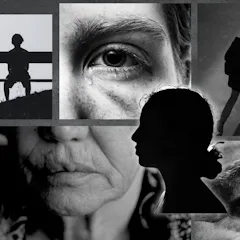
Police receive 50,000 missing reports in Australia each year. But not everyone goes missing by accident – for some people it’s a choice or a way to cope.

Oral history contributors were able to share their stories, and many felt a sense of healing.

Contrary to popular belief, grief doesn’t unfold in 5 neat stages. Yet, when loss is traumatic, it can take a heavy emotional and physical toll, leaving mourners and their supporters overwhelmed and unsure how to help.

Serious learner misconduct is a common, everyday problem in some schools.

After a natural disaster, survivors often suffer from prolonged trauma for years to come, particularly in places where mental health services are few and far between.

Distressing news can make us feel anxious, sad and scared. But simply ‘switching off’ is not always an option.

While trauma can ripple across generations, its effects aren’t hard-coded in our genes.
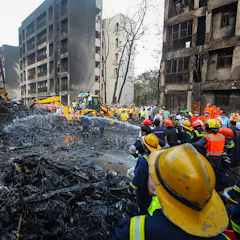
Being a sole survivor of a mass casualty may have its own complex psychological challenges.

Our research suggests that psychology plays a role in causing this common and extremely painful condition.

Sigmund Freud originally developed the idea of repression and actually revised his definition later in life.
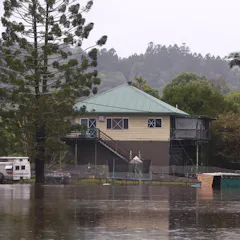
The immediate risks are from drowning, falls, injuries and infections from contaminated floodwater. Here’s what to look out for.
Top contributors
-

Professor of Psychiatry, Wayne State University
-
Professor of Psychology, The University of Melbourne
-
Senior Lecturer in Humanities, University of Southern Queensland
-
Albert E. Kent Professor of Psychiatry, Yale University
-
Professor of Social Work, CQUniversity Australia
-
Professor of Psychology, University of Denver
-
Professor & Director of Traumatic Stress Clinic, UNSW
-
Associate Lecturer in Creative Writing, University of Sydney
-
Senior Research Fellow, The Kids Research Institute Australia
-
Associate Professor, Paramedicine and Head of Department, Rural Allied Health, La Trobe University
-
Professor of English, Flinders University
-
Distinguished Professor of Pharmacy Practice, University of Connecticut
-
Counseling Psychologist, Catholic University of Eastern Africa
-
Professor, Department of Psychiatry, The University of Melbourne
-
Casual Academic, Creative Writing and English Literature, Flinders University