
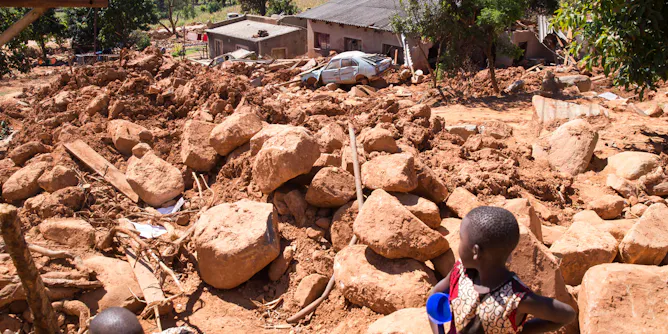
Disaster recovery agencies and governments must pay more attention to survivors’ invisible losses: grief, broken communities and disrupted identities.
Articles on Trauma
Displaying 21 - 40 of 409 articles

An expert in traumatic brain injuries explains why you need to protect your noggin.

Most states have some sort of requirement for a minimum number of lockdown drills a year, but there is no set federal guidance.
The hidden link between sexual assault and chronic illness.

What does the wealth of books, documentaries and dramas about the Chernobyl disaster tell us that history alone cannot?

Topics such as sexual assault have been difficult for survivors and historians to write about, even decades after the war.

A researcher answers the question many asked when they heard charges of abuse and rape against civil rights icon Cesar Chavez: Why didn’t the women speak earlier about the events from decades ago?

Erin Vincent’s 14 Ways of Looking and Gemma Parker’s The Mother is Restless and She Doesn’t Know Why are powerful fragmented memoirs.

Psychedelic drug MDMA may help people manage PTSD symptoms. But it should only be used in certain contexts, according to two trauma experts.

Trauma survivors who have used EMDR may not get their case heard in court. Here’s what the evidence actually says about this therapy and false memories.

Evidence suggests the widespread adoption of trauma-informed care practices can potentially improve access to care as well as quality of care for all patients.
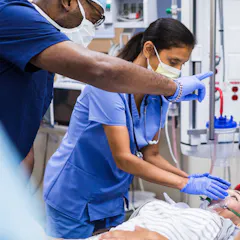
A new study from a Pittsburgh hospital finds that trauma patients recover faster when emergency medical teams have shared experience working together.

A nurse scientist interviewed 29 formerly incarcerated Black men in Philadelphia to understand how they address their mental health needs.
Emirati Princess Al Qasimi is pro-Palestine and this year’s Sydney Biennale arts director, a choice that has drawn criticism. But should art be comfortable?

Some medical conditions involve cartilage tissue loss, which is why skin grafting is vital. Lab-grown cartilage could be the way forward for human tissue repair and reducing animal testing.
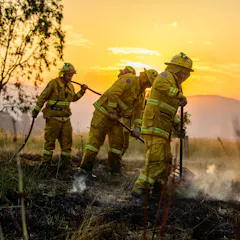
People who work in emergency services, such as firefighters, are more likely than others to develop symptoms of anxiety, depression and post-traumatic stress.
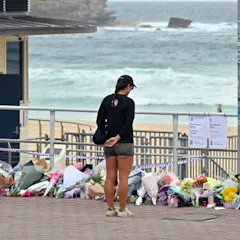
Witnessing people being seriously injured or dying can be traumatic, even if you didn’t know them.

After mass violence such as the Bondi beach terror attack, distress does not stop with those directly affected.

Being exposed to trauma in childhood is linked to serious mental and physical health issues later in life. These findings show trauma is not rare.
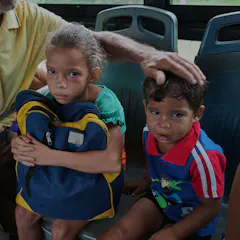
Across the Caribbean, rebuilding after disaster means more than clearing debris. The real recovery is psychological, and it can take years.
Top contributors
-

Professor of Psychiatry, Wayne State University
-
Professor of Psychology, The University of Melbourne
-
Senior Lecturer in Humanities, University of Southern Queensland
-
Albert E. Kent Professor of Psychiatry, Yale University
-
Professor of Social Work, CQUniversity Australia
-
Professor of Psychology, University of Denver
-
Professor & Director of Traumatic Stress Clinic, UNSW
-
Associate Lecturer in Creative Writing, University of Sydney
-
Senior Research Fellow, The Kids Research Institute Australia
-
Associate Professor, Paramedicine and Head of Department, Rural Allied Health, La Trobe University
-
Professor of English, Flinders University
-
Distinguished Professor of Pharmacy Practice, University of Connecticut
-
Counseling Psychologist, Catholic University of Eastern Africa
-
Professor, Department of Psychiatry, The University of Melbourne
-
Casual Academic, Creative Writing and English Literature, Flinders University