
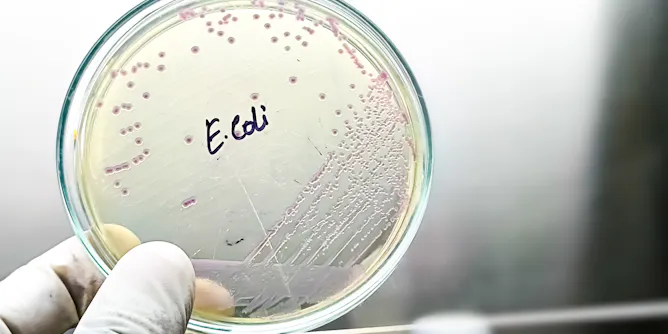
AI helped design a working virus that kills bacteria. Researchers explain what it could mean for the fight against antibiotic resistance.
Articles on Synthetic biology
Displaying 1 - 20 of 38 articles
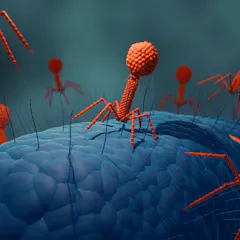
Researchers used AI to design working bacteriophages for the first time, raising questions about antibiotic resistance and biosecurity.
The goal of creating synthetic cells is not to replace nature, but to learn more deeply about biology and reengineer it to help society.

Advances in genetic engineering have enabled researchers to seek ways to program new life. But has synthetic biology actually changed medicine and the environment, nearly two decades on?
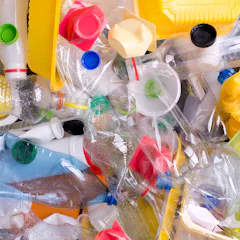
Scientists have shown that plastic bottles could be converted into levodopa, an important Parkinson’s drug, with implications for both medicine and the environment.
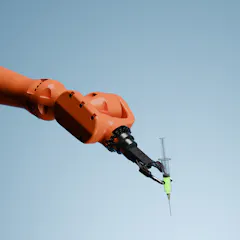
Researchers have found that even people with limited experience in biology can use AI to help them create a dangerous pathogen.
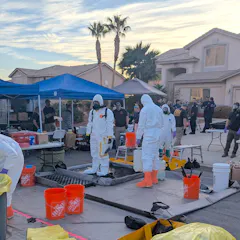
The rise of AI and synthetic biology has made deadly diseases look like a ‘low-risk, high-reward’ option for would-be terrorists.
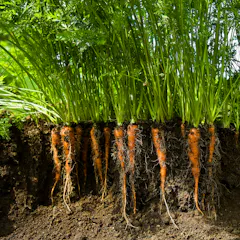
Engineering microbes to soak up more carbon, boost crop yields and restore former farmland is appealing. But synthetic biology fixes must be done thoughtfully
Better photosynthesis could boost crop yields by up to 60% – and a tiny box made of proteins could help.

Are new approaches to recreating long-lost animals simply creating imitations?

Microbes could pump out oxygen on Mars.

Synthetic cells that look just like natural cells but are chemically reversed could outcompete other living organisms − with dire consequences for human health and the environment.
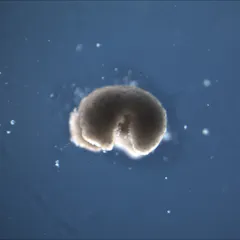
Given the right conditions, certain types of cells are able to self-assemble into new lifeforms after the organism they were once part of has died.
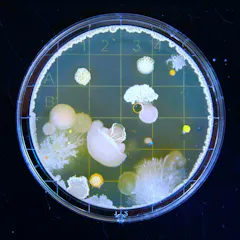
Organisms that produce synthetic fuel and suck carbon out of the air are just some of the possibilities of ‘engineering biology’ – if policymakers can shepherd the industry towards success.
Automation may not reduce our workloads as much as we’d hoped.
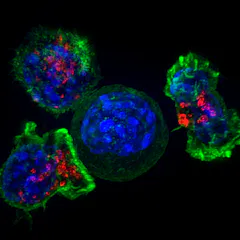
Immunotherapy has the potential to eliminate tumors, but works best for select patients. Engineering T cells to bypass cancer’s defenses could help expand treatment eligibility to more patients.
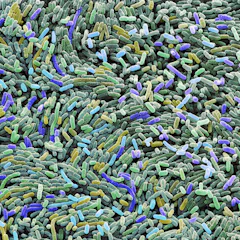
The walls of your house could someday be built with living bacteria. Synthetic biologists are engineering microbes into living materials that are cheap and sustainable.
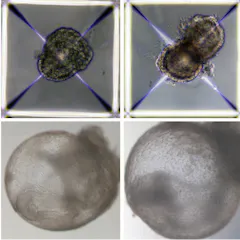
In a huge milestone, researchers have grown a mouse embryo entirely from stem cells. Could humans be next?

As genetic engineering and DNA manipulation tools like CRISPR continue to advance, the distinction between what science ‘could’ and ‘should’ do becomes murkier.
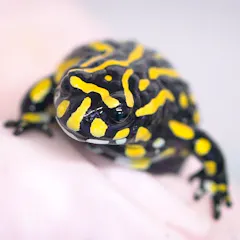
The rapid rate of species declines means we should trial potential solutions before it’s too late.
Top contributors
-

Doctoral Student in Biochemistry, University of Washington
-
Director, Synthetic Biology Future Science Platform, CSIRO
-
Professor of Advanced Technology Transitions, Arizona State University
-
Professor - Emerging Technologies (Stem Cells) at The University of Melbourne and Group Leader - Stem Cell Ethics & Policy at the Murdoch Children's Research Institute, The University of Melbourne
-
Professor of Microbiology, University of Leicester
-
Research Fellow in Synthetic Biology, Macquarie University
-
Professor of Electrical Engineering and Computer Science, Massachusetts Institute of Technology (MIT)
-
Professor and Chair of Philosophy, Wageningen University
-
Personal Chair in Synthetic Biological Engineering, University of Edinburgh
-
Professor, Abell Chair in Synthetic Biology, Colorado State University
-
Professor of Electrical and Computer Engineering,, University of Utah
-
Professor of Bioengineering, University of Maryland
-
Ph.D. Candidate in Chemical Biology, Harvard University
-
Postdoctoral Researcher in Chemical and Biological Engineering, Colorado State University
-
Reader in Systems and Synthetic Biology, UCL