
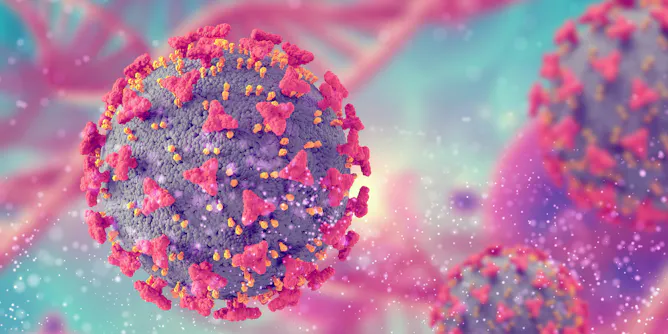
Researchers are working to engineer bacteria that can kill cancerous tumours while reducing harm to healthy cells and tissue.
Articles on Bioengineering
Displaying 1 - 20 of 47 articles
The goal of creating synthetic cells is not to replace nature, but to learn more deeply about biology and reengineer it to help society.
Researchers have found that even people with limited experience in biology can use AI to help them create a dangerous pathogen.

Some medical conditions involve cartilage tissue loss, which is why skin grafting is vital. Lab-grown cartilage could be the way forward for human tissue repair and reducing animal testing.

Engineering microbes to soak up more carbon, boost crop yields and restore former farmland is appealing. But synthetic biology fixes must be done thoughtfully

Forensic genetics can help us trace the ancestral source of any wine grape – and may lead to bioengineered wines in the future.

Placentas contain a rich amount of nutrients and stem cells, but there’s a difference between eating it at home for wellness and using it in the clinic to improve wound healing.
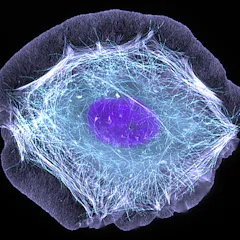
Textbooks usually depict the epithelial cells encasing the interior and exterior of your body as passive barriers. But researchers discovered they can produce electrical signals like neurons.

Synthetic cells that look just like natural cells but are chemically reversed could outcompete other living organisms − with dire consequences for human health and the environment.

Just 2 layers of materials commonly used in biomedical labs can mimic the electrical properties of human skin.
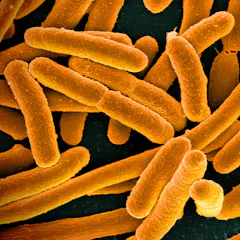
Certain strains of E. coli tucked in a gel can crowd out the microbes that cause urinary tract infections.
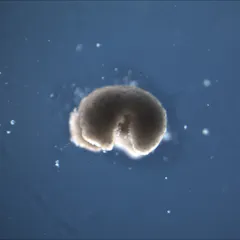
Given the right conditions, certain types of cells are able to self-assemble into new lifeforms after the organism they were once part of has died.

Green algae carry drug-loaded nanoparticles directly to the lungs, reducing side effects in other organs and increasing treatment efficiency.

How and why preterm birth happens is still unclear, in part because research on pregnancy tends to focus on developmental biology.
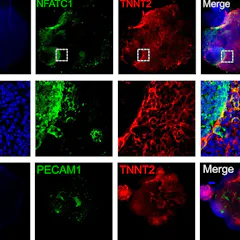
Human heart organoids allow researchers to study the developing heart while avoiding the ethical issues of using human embryos and the imperfections of animal models.
Researchers designed an ultrathin pacemaker that can be implanted via minimally invasive techniques, potentially improving recovery time and reducing the risk of complications.

Researchers successfully treated diabetes in mice by engineering cells to make insulin in response to the music of Queen.

New research sheds light on the interconnected nature of the human genome and what this means for future gene therapies.

You can squash small bugs by stepping on them, but can you crush even tinier microorganisms like viruses and bacteria? It turns out that you’d need to apply a lot of pressure.

Scientists used Lego to build a bioprinter capable of printing human tissue samples.
Top contributors
-

Doctoral Student in Biochemistry, University of Washington
-
Professor of Biomedical Engineering and Medicine, University of Virginia
-
Director, Robert E. Fischell Institute for Biomedical Devices, University of Maryland
-
Executive Director of the ARC Centre of Excellence for Electromaterials Science and Director of the Intelligent Polymer Research Institute, University of Wollongong
-
Professor of Bioengineering, University of Maryland
-
VC Postdoctoral Fellow, RMIT University
-
Director of Nephrology at St Vincent's Hospital Melbourne, and Associate Professor of Medicine,, The University of Melbourne
-
Professor of Electrical Engineering and Computer Science, Massachusetts Institute of Technology (MIT)
-
Professor of Electrical and Computer Engineering,, University of Utah
-
PhD candidate, Monash University
-
Lecturer in Computational Biology, UCL
-
Doctorant en automatique, Inria
-
Professor of Microbiology and Immunology, Indiana University
-
Reader in Systems and Synthetic Biology, UCL
-
Professor of War and Technology, University of Bath