

The southwest peninsula of the UK has a burgeoning network of marine observers.
Articles on Sustainable seafood
Displaying 1 - 20 of 23 articles

Researchers have found that one offshore mussel farm is boosting marine biodiversity and regenerating the seabed.
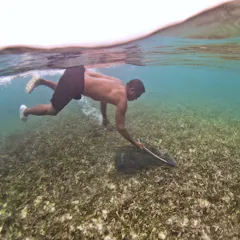
The prevalence of seagrass throughout human civilisation has fostered spiritual and cultural relations with these underwater gardens.
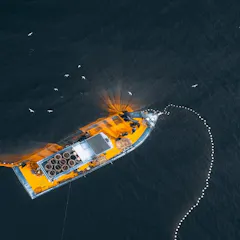
Governments all over the world are propping up overfishing. Now scientists have penned an open letter calling on trade ministers to implement stricter regulations against harmful fisheries subsidies.
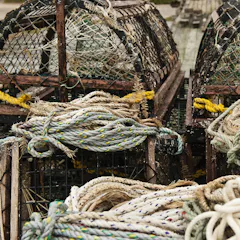
To fish the oceans sustainably, nations must reduce bycatch, or accidental catches. But fishermen often resist changing gear or techniques that kill nontargeted species.

Traditional food provenance methods are typically designed to identify one species at a time. So we worked out a new approach, as part of a broader effort to combat seafood fraud and illegal fishing.
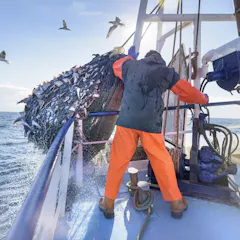
Technology and regulation have solved some issues with bycatch. To reduce damage to marine life further, we can harness the skills of our best fishers.
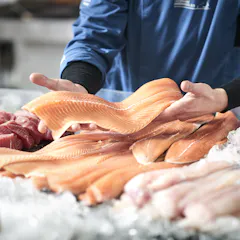
When fish are out of water, consumers are out of their depth.

Fish farms feed millions of people around the world, but they also consume a lot of fish that are dried or ground up to make aquafeed. Researchers are developing more sustainable alternatives.
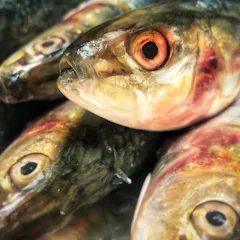
The oils in fish are excellent buffers against disease. Why don’t we eat more fish?
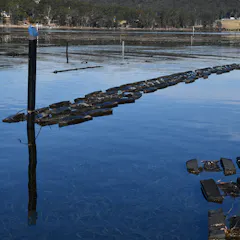
Bushfires not only destroy things on land, they can also have an impact on our seafood industry including our oyster farms.
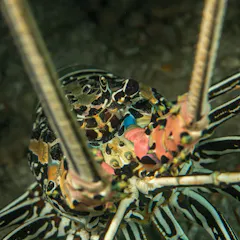
The abrupt downturn in seafood consumption in China is wreaking havoc on the traditional fishers of the Torres Strait and other Australian fishing communities

Cape monkfish caught from some areas off Namibia’s coast should be screened for mercury and other heavy metals.
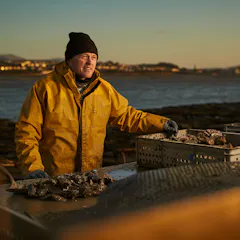
In a world where products are just a few clicks away, foragers continue to seek out their food.
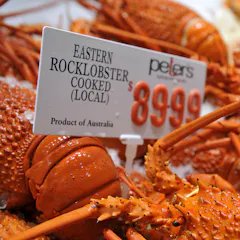
Australian fishing boats throw away up to half the fish they catch. To make the seafood industry sustainable, we need to eat all the fish that get caught.
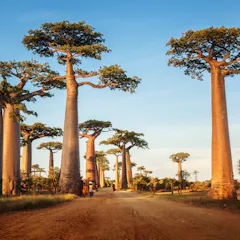
Without an array of ecosystems and species, it’s tough for farmers to grow crops or ranchers to raise animals.
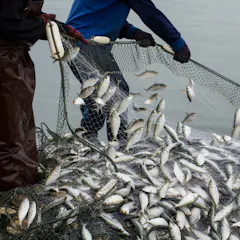
A lack of sustainability, profitability and transparency in the global fishing industry is exacerbating the problem of slave-like working conditions for crew. Here are the warning signs to look out for.
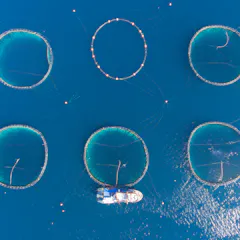
Aquaculture is endangering the marine environment, threatening the livelihood of small-scale fishers and food security.

The ocean is getting warmer and more acidic but changing our diet could help us cope.
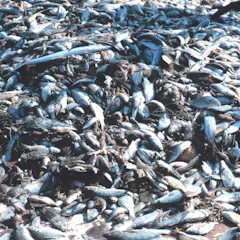
Australians love canned tuna. Here’s our handy guide to finding the most sustainable options for you (and your cat).
Top contributors
-

Wen Family Chair in Conservation, The University of Western Australia
-
Professor & Director, Sea Around Us - Indian Ocean, The University of Western Australia
-
PhD Candidate, The University of Western Australia
-
Visiting Scholar, School of Behavioral and Social Sciences, Arizona State University
-
Associate Professor, Canada Research Chair, Integrated Ocean and Coastal Governance, Dalhousie University
-
Ph.D. Candidate, University of California, Santa Barbara
-
Honorary Research Fellow, Marine Ecology, Bangor University
-
Lecturer, University of Wollongong
-
Professor of Ocean Biogeochemistry and Palaeoclimate, The Open University
-
Postdoctoral Scholar, National Center for Ecological Analysis and Synthesis, University of California, Santa Barbara
-
Professor, University of Wollongong
-
Postdoctoral researcher, Universitat Autònoma de Barcelona
-
Assistant Professor of Economics, Colorado State University
-
PhD Candidate in Marine Ecology, The University of Western Australia
-
Professor in Palaebiology, University of Bristol