

The southwest peninsula of the UK has a burgeoning network of marine observers.
Articles on Sustainable fishing
Displaying 1 - 20 of 44 articles
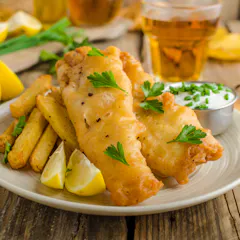
Even where quotas are reduced, cod recovery is hampered by how many fisheries operate in practice.
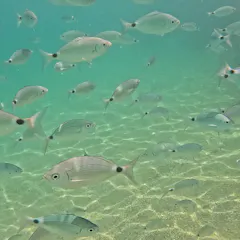
The Mediterranean is one of the world’s most vulnerable ecosystems. A scientific study on shifting distribution dynamics examines how its fish species contend with sea warming.
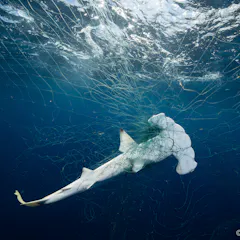
Trade bans on sharks won’t reduce the threat of overfishing.

Nearly a third of the cod we tested had a different origin than the one reported.

Most of the seafood Australians consume comes from overseas. This includes products from illegal, unreported and unregulated fishing operations. We can fix this.

The Plymouth fish finger project will boost the amount of locally caught fish that makes it into the city’s supply chain rather than leaving the city to be eaten elsewhere.
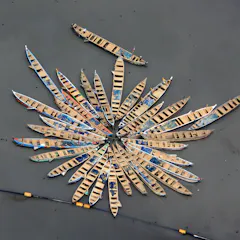
A new report estimates the impacts of big fishing businesses with a previous track record of unsustainability on the local economy, jobs and people’s welfare in five developing countries.

School food can connect people powerfully to their local lands, resources and economies, and be a tool towards reconciliation with Indigenous communities.
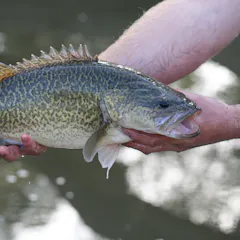
Less gold in the mines. Unrest in the camps. And a new fishery for the giant Murray cod which decimated their population. The 19th century gold rush has left a bad environmental legacy.
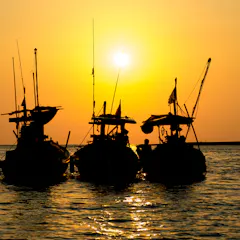
One of the greatest challenges facing our oceans is illegal, unreported and unregulated fishing. And a vital tool against this is problem is context-specific fisheries transparency.

As the number of protected areas continues to grow, fisher households in Indonesia are still among the poorest of the poor.

There is a need for nuanced discussions around the role of fisheries subsidies — even those that may be nominally harmful — to avoid further inequity and marginalization of small-scale fishers.
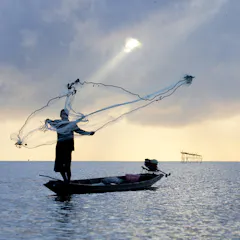
There is enormous potential to increase the productivity of African fisheries. There is also potential to improve coastal and marine health.
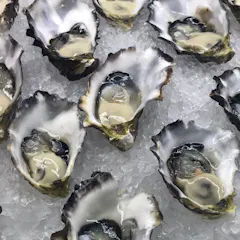
It’s a great time to buy sustainable Australian seafood, from cheaper lobster to farmed prawns and oysters. Here’s how.
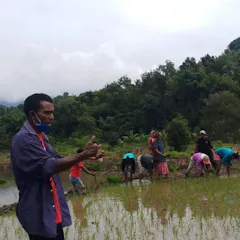
Do farmers fare better together in the face of a changing climate?

The WTO is set to wrap up negotiations on harmful fisheries subsidies This could help rebuild the oceans’ fish stocks, and support the communities that rely on them.

Determining the age of fish has been historically difficult, primarily involving lethal methods. A new DNA test solves this problem.
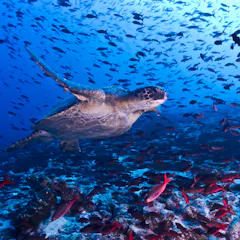
Marine protected areas will be important for achieving the ocean Sustainable Development Goals.
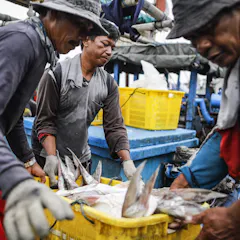
The patronage system – common in South-East Asia’s small-scale fisheries – indirectly perpetuates destructive fishing practices. However, opportunities exist to tap them as agents of change.
Top contributors
-

Affiliated Researcher, Fisheries Economics Research Unit, University of British Columbia
-
Associate Professor in Conservation Biology, The University of Queensland
-
Assistant Professor of Environmental Studies, University of Colorado Boulder
-
Visiting Scholar, School of Behavioral and Social Sciences, Arizona State University
-
Visiting Researcher, Centre for Ecology and Conservation, University of Exeter
-
Research Director, Kaleka
-
Research Associate, Marine Research Institute, University of Cape Town
-
Guest Investigator, Woods Hole Oceanographic Institution
-
Senior Scientist, Woods Hole Oceanographic Institution
-
Pew Fellow in Marine Conservation, University of St Andrews
-
Lecturer, University of Wollongong
-
Professor, Institute for Marine and Antarctic Studies and Director of the Centre for Marine Socioecology, UTAS, University of Tasmania
-
Senior Marine Ecologist, Institute for Marine and Antarctic Studies, University of Tasmania
-
Professor, University of Wollongong
-
Professor, School of Environment, Resources and Sustainability, University of Waterloo