

We asked 200 young New Zealand women about the body ideals they encountered online. Here’s what they said.
Articles on Social media harm
Displaying 1 - 20 of 24 articles
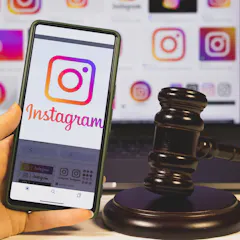
Meta has been forced to roll out new measures, but many can be easily circumvented.
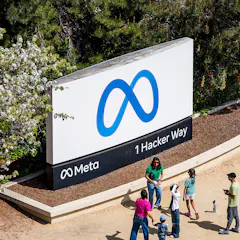
The settlement calls for changes to Meta’s platforms but does not change the company’s surveillance-based business model

The agreement could mark a turning point for public policies on social media precisely because it addresses the architecture of the platforms themselves.

Meta’s settlement calls for several key design changes to protect teens, but how the states will verify and enforce the changes is a big question mark.

Over 60% of middle and high school students we surveyed from 2021-2024 said they wanted to be social media influencers, or picked their future careers online.

Australia’s proposed digital duty of care will ask social media platforms to actively prevent harm.
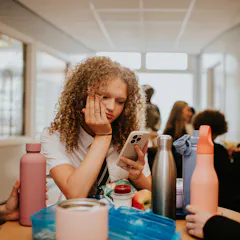
MAP, NOMAP and 764 are among the coded terms that all speak to pedophilia. Here’s how families can stay ahead of the risk.

The verdicts in a case against Meta and another against Meta and Google have the potential to change how social media works – and it has little to do with financial penalties.

The case was the first of its kind. But it won’t be the last.

Some new findings show that AI has certain benefits, such as reducing barriers for students with learning disabilities. But overall, more evidence is needed to understand how AI influences learning.

A lawsuit against Meta and Google avoided the issue of liability for content and focused on allegations that social media platforms themselves are harmful by design.

Political content on social media finds you even if you’re not looking for it, and it tends to do so through a sensationalized and emotionally charged lens.

Big tech companies argue their platforms are communication tools not traps, and that addiction is a mischaracterisation of high engagement.

The responses reveal a much more nuanced picture of the relationship between young Australians and social media than the public debate suggests.

If the health content you see on social media sounds too good to be true, it’s very likely false – but there are ways to check it out before sharing.

Knowing exactly why experts disagree can help us navigate uncertainty – and make better decisions.
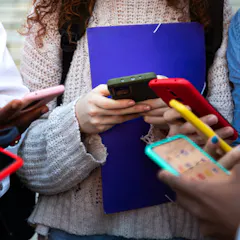
Policymakers are focusing on restricting teens’ access to social media, but this approach risks cutting them off from its benefits. Making the platforms safer offers an alternative path.

From Beowulf to Paul Keating, trolling has a long history. Social media, however, and Donald Trump, have taken things next level.

Many parents will use strategies to minimise potential privacy risks, such as by blurring their children’s faces in online posts. But is that enough?
Top contributors
-

Professor of Practice and Director for Program, Public Interest Technology Initiative, UMass Amherst
-
Professor, Digital Media Research Centre, Queensland University of Technology
-
Adjunct Fellow, School of Psychological Sciences, Macquarie University
-
Research Fellow, Population Health, University of Auckland, Waipapa Taumata Rau
-
Professor
-
Professor of Information Sciences & Director, Social Change Enabling Impact Platform, RMIT University
-
Professor of Addiction Research, University of Auckland, Waipapa Taumata Rau
-
Senior Lecturer, Communication, Edith Cowan University
-
Lecturer in Marketing and Consumption, Department of Marketing and Strategy, University of Leicester
-
Associate Research Fellow, Faculty of Arts and Education/School of Education, Deakin University
-
Sexologist & Lecturer and Research Fellow in Communications & Culture, Edith Cowan University
-
Professor of English, Flinders University
-
Ph.D. Candidate in Computer Science, Vanderbilt University
-
Principal Research Scientist, International Computer Science Institute, University of California, Berkeley
-
PhD Candidate, Digital Media Research Centre, Queensland University of Technology