

Young people consistently described online spaces as providing opportunities for self-expression and self-discovery.
Articles on Social media bans
Displaying 1 - 20 of 36 articles

It might seem quaint now but for many Facebook users, the introduction of this content algorithm felt like a violation of their privacy and trust.

Social media bans suggest a resurgence of conservative values in our digital lives. But at what cost to young people’s autonomy, creativity and expression?
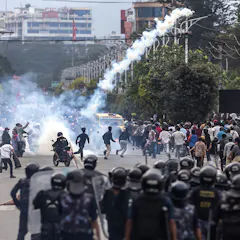
Social media acted as both a magnifier and accelerator to protests, linking perceived injustice to on-the-ground activism.

The trial is testing age verification, age estimation and age inference. All three options come with problems.

Young trans people in Australia have much higher rates of suicide, mental health struggles and anxiety disorders – but many find refuge in social media.

The ban will affect platforms such as Facebook, Instagram, TikTok and Snapchat. But the bill is vague about how exactly these platforms must comply.

The new proposal is aligned with approaches in the European Union and United Kingdom – and overcomes the flaws of banning people under 16 from social media.

Australia is set to ban kids under 16 from social media. Depending on the definition, online games with social features could be in the firing line – which would be detrimental.

Jonathan Haidt’s book The Anxious Generation has set governments against teen social media – and triggered a months-long debate among experts.

The Albanese government has announced a plan to ban kids under 16 from social media. There’s no explanation why this age was chosen, and the decision flies in the face of expert advice.
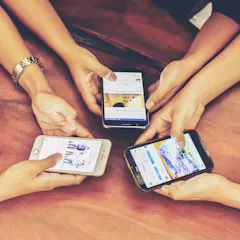
Meta has revised how teenagers will experience Instagram. It’s a win – especially if it prompts parents to talk to their kids about online safety.

Children under 14 would be banned from social media, while teens aged 14–15 would need parental consent. But this law will be challenging to implement.

It’s neither practical nor helpful to keep children and teens off the internet in a hyper-connected, digital world.

New Zealand is among many countries debating a ban on under-16s having social media accounts. But making digital media literacy education a priority would be a better first step.
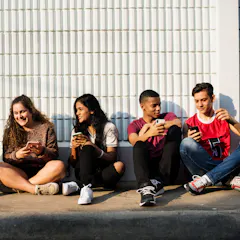
Regulating how kids access the internet – including social media – must balance protection from harm with children’s rights to expression and information.

A social media ban only delays young people’s exposure to these platforms. It does not help them learn how to deal with them.
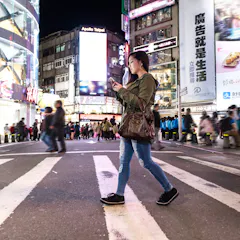
Regulators in China are scouring social media platforms and censoring those deemed to be engaged in morally corrupt behavior.
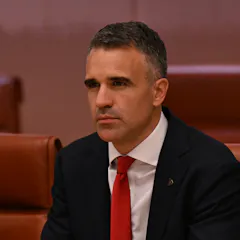
Peter Malinauskas joined the podcast to talk about AUKUS, bans on children under 14 accessing social media, restricting most political donations and Peter Duttons Nuclear announcement.

There are various methods for estimating or verifying an online user’s age, none of them foolproof. Importantly, is this the social media future we want?
Top contributors
-

Professor of Information Sciences & Director, Social Change Enabling Impact Platform, RMIT University
-
Associate Professor of Political Science, Michigan State University
-
Associate Professor of Film and Media Studies, Arizona State University
-
Researcher, Digital Wellbeing, Western Sydney University
-
Senior Lecturer, School of Media and Communication, RMIT University
-
Joseph Panzer Chair in Education and Research Professor of Law, University of Dayton
-
Associate Professor, School of Medicine and Psychology, Australian National University
-
Professorial Fellow, University of Canberra
-
Associate Professor of Public Policy, Communication, and Information, UMass Amherst
-
Adjunct Senior Lecturer, Applied Ethics and CyberSecurity, Griffith University
-
Associate Professor of Advertising and Public Relations, University of Georgia
-
Research Fellow, King's College London
-
University Professor of Electrical and Computer Engineering, Iowa State University
-
Reader in Data Security, Cardiff Metropolitan University
-
Associate Professor of Chinese Studies, University of Richmond