
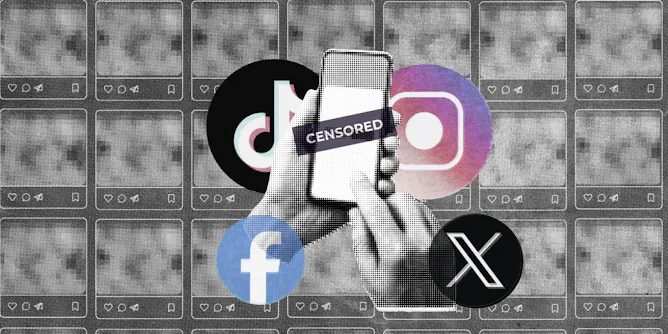
The government’s proposed digital duty of care includes a mechanism for people to opt out of social media algorithms.
Articles on Social media regulation
Displaying 1 - 20 of 70 articles

While cellphone bans at schools can help students connect more with peers, they can also make students feel less safe and independent.
Child sexual abuse material on X is clearly illegal. What’s less clear is how to force X to prevent its AI chatbot from making the material.
At first glance it might seem contradictory that restricting some speech can preserve free speech, but research shows that online content moderation protects the marketplace of ideas.

The law is the balance point between limiting hate speech and misinformation and keeping censorship in check. Here’s what could happen if Congress kicks it out from under the internet.
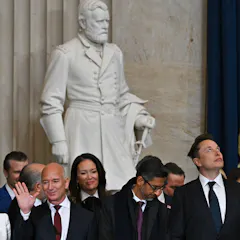
Trump Media and Rumble joining X in legal fight against the Brazilian Supreme Court marks a new era of deregulation pushes.
The damage AI algorithms cause is not easily remedied. Breaking algorithmic harms into four categories results in pieces that better align with the law and points the way to better regulation.

Meta has revised how teenagers will experience Instagram. It’s a win – especially if it prompts parents to talk to their kids about online safety.
Brazil’s attempt to strike a balance between free speech and regulation of online platforms has become politicized – complicating future legislation.

Children under 14 would be banned from social media, while teens aged 14–15 would need parental consent. But this law will be challenging to implement.

Political ad transparency – who’s paying for ads and whether candidates stand behind them – is well-regulated for TV and radio. Online, not so much.

A new parliamentary committee will look into how social media operates in Australia, including how children access it. Regulating the industry won’t be easy.
Most social media PR blurb is designed to convince the public these tech companies are a benign force for good. What the public really needs is a public service internet.
The billionaire owner of X (formerly Twitter) has taken aim at Australia’s eSafety Commissioner over being told to remove videos from his site. It’s just the tip of the legal iceberg.
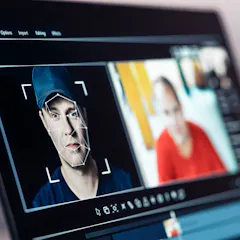
Deepfake scams are on the rise – but can their victims claim compensation? The legal landscape is still developing.

As legislators rail against social media companies, the companies continue to put millions of young people at risk. Here’s how − and what can be done about it.
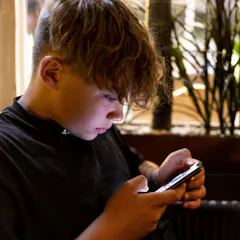
Many TikTok creators, including creators of pornography, use the platform to promote themselves and their explicit content on other platforms.
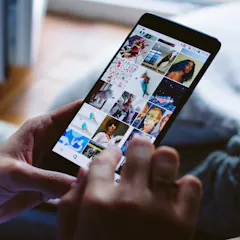
The plaintiffs claims features such as ‘infinite scroll’ leave users less likely to be able to exercise self-control.
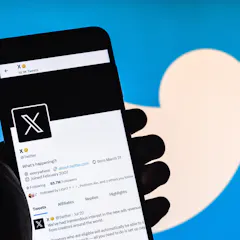
The platform formerly known as Twitter faces a A$610,500 penalty from the eSafety Commissioner.
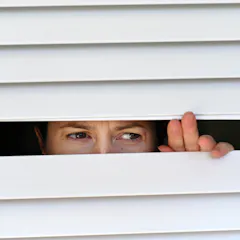
Foreign interference campaigns have targeted every major social media platform in Australia. But to date, nobody has been prosecuted for this.
Top contributors
-

Senior Research Associate in Media and Communications, University of Sydney
-
Senior Lecturer in Law, The University of Western Australia
-
Professor of Internet Studies, Curtin University
-
Associate Professor of Digital Communication, RMIT University
-
Professor
-
Adjunct Senior Fellow, School of Psychology, The University of Queensland
-
Dean of Global Business, The Fletcher School, Tufts University
-
Research Fellow, ARC Centre of Excellence for Automated Decision-Making and Society, Swinburne University of Technology
-
Professor specialising in Internet law, Bond University
-
Lecturer in Law, Adelaide University
-
Professor in Information Systems, The University of Queensland
-
Professor and Chair, Department of Journalism, Stellenbosch University
-
Honorary Fellow in Sociology, Australian National University
-
Assistant Professor of Journalism and Emerging Media Studies, Boston University
-
Professor of Finance, University of Liverpool