
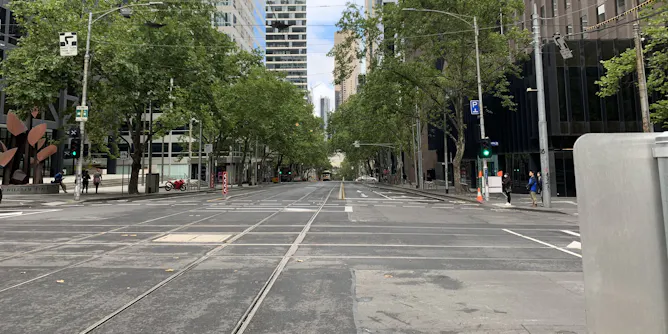
Temporary and tactical urbanism offers simple, low-cost solutions to make streets and other public spaces both safe and sociable during this time of physical distancing.
Articles on Social distancing
Displaying 181 - 200 of 300 articles
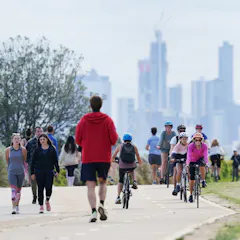
COVID-19 has upturned uses of public spaces that we took for granted. Will shifts in the regulation of these spaces lead to a change in thinking about who “owns” the city?
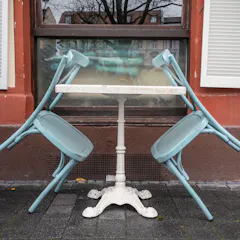
We sorely miss our regular haunts during the coronavirus lockdown not only because we like them but also because a healthy society needs places where people can gather, mix and mingle.

A scholar of social participation finds shared themes across protests in many states, not all of which fit common popular or media narratives about the events.

When we sing together, our social brains are activated to produce oxytocin, which makes us feel more connected.
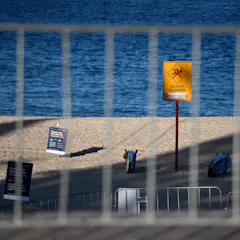
A report by Australia’s leading universities envisages the next stage of Australia’s coronavirus response: either eliminate COVID-19 and then reopen for business relatively quickly, or proceed more gradually.
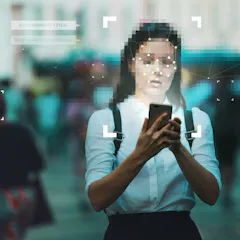
One bespoke contact tracing device is a bluetooth ‘pen’ device, which can be handed in if diagnosed without relying on smartphones.

Board game Pandemic is providing more than entertainment in lockdown – helping players think through problems creatively, focus, adapt and reflect on serious issues.

As social distancing continues, we’ve increasingly incorporated online and digital communications into our social life. But these technologies can’t compensate for body language or touch.
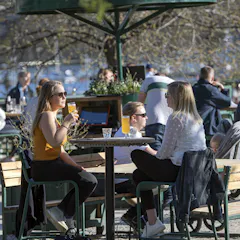
Critics say older people are being put at risk by the relaxed approach to social distancing. But they seem to be the most in favour of it, according to a new survey.
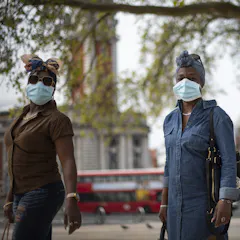
Almost everyone agrees with lockdown measures, but their feelings about doing it are very different.
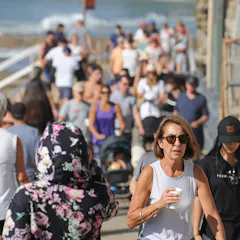
We’ve all seen the increases in people walking and cycling on shared paths so crowded it’s almost impossible to maintain physical distancing. This must be fixed, and quickly.

Learning from the example of spiritual retreats.
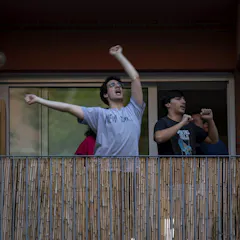
From balcony concerts to Zoom choirs, neuroscience shows why people are compelled to connect through music while the pandemic keeps them under stay-at-home orders.
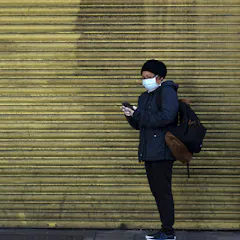
If the UK relaxes social distancing now, while most of the population is still susceptible, it runs the very real risk of a second wave.

Grief encompasses our emotional responses to change and loss, and children’s grief might be expressed in what psychiatrist Elisabeth Kübler-Ross described as the five common stages of grief.

For athletes, COVID-19 means more than cancelled competitions. Having their athletic goals put on hold and their training routines disrupted can take a toll on athletes’ mental health.
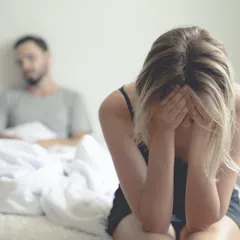
When you’re stuck at home during social distancing, it’s only natural to feel on edge at times. So how do you listen to a loved one who’s on edge, too?
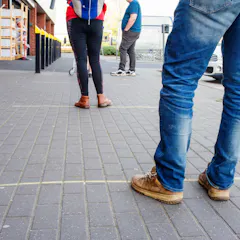
Early evidence from Japan suggests protective measures against COVID-19 may also be protecting us against influenza.
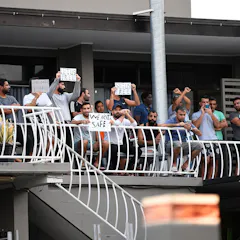
It is almost impossible for asylum seekers held in detention to practise social distancing. For their protection, and that of the wider community, the government must take action now.
Top contributors
-

Scientia Professor of Economics, UNSW
-
Associate Professor, Epidemiology, Deakin University
-
Associate Professor of Health Policy and Management, Texas A&M University
-
Assistant Research Scientist, University of Michigan
-
Regents and Distinguished Professor of Environmental and Occupational Health, Texas A&M University
-
Associate Dean for Research and Professor of Health Policy and Management, Texas A&M University
-
Research Fellow, Center for Philosophy and History of Science, Boston University
-
Professor, Département des sciences de l'activité physique, Université du Québec à Montréal (UQAM)
-
Assistant Professor of Epidemiology and Biostatistics, University of Nevada, Las Vegas
-
Research Fellow, BehaviourWorks Australia, Monash Sustainable Development Institute, Monash University
-
Professor of Economics and Psychology, Carnegie Mellon University
-
Associate Professor, Sydney School of Public Health, University of Sydney
-
Assistant Professor of Biology, Providence College
-
Associate Professor in Environmental Engineering, UCL
-
Professor of Public Health, University of Otago