
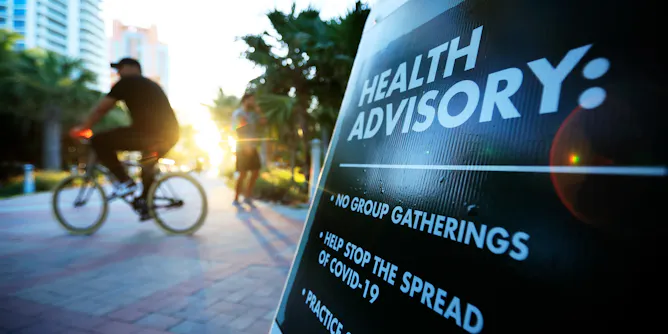
A close look at Florida’s economy shows just how vulnerable the state and its population are to a pandemic, and some of the reasons state officials hesitate to take action.
Articles on Social distancing
Displaying 101 - 120 of 300 articles
An effort to bring three teachers together while they taught young students online over the summer in Arizona didn’t bode well.

With regular music festivals, people can more easily seek help or advice about drug and alcohol or mental health issues. But with drive-ins we need to be creative to minimise harms.
Psychologists call these traits the ‘Big Five’: openness, conscientiousness, extroversion, agreeableness and neuroticism. A researcher suggests your profile implies your response to social distancing.

A vaccine that’s 70% effective might not be good enough if too few people are willing to be vaccinated, new research shows.

The taxi industry carries 75% of commuters daily, yet, unlike bus and train operators, does not benefit from government subsidies.
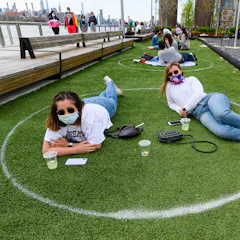
A key difference is people’s behavior, as a doctor explains.

The coronavirus pandemic affected many aspects of everyday life — including our sex lives. But erotic technologies are gaining wider acceptance as we look for ways to fulfill our desires for intimacy.

Much of the focus - and the blame - for the lockdown has been placed on the city’s immigrant and ethnic minority population.
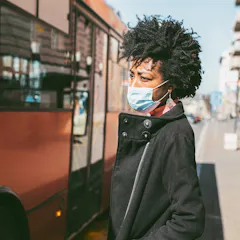
Putting a dollar value on human lives to compare the costs and benefits of stay-at-home orders can have unintended consequences. These researchers found a different way.
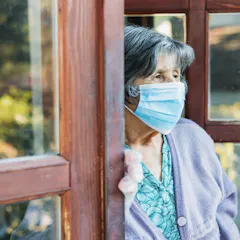
Social distancing is leaving older Americans more isolated and opening them up to serious health risks.

The rise of big pub companies has led to focus on profits and share prices.
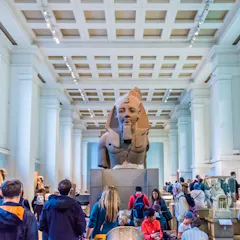
Understanding the different types of visitors and how they navigate museums can help these institutions reopen safely.
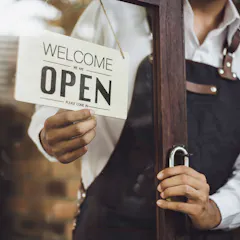
Restaurants are reopening – but dining out is likely to be very different.

Monastic tradition offers some useful advice about the value of isolation.
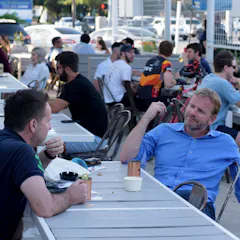
Texas hospitals are filling up with new COVID-19 cases, and many of the people falling ill are young.

We estimate 39% of all jobs in Australia can be done from home, with men more likely to have teleworkable jobs.
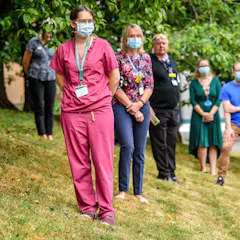
A simple computer model shows that safety measures can significantly impact both the exponential spread of COVID-19 and mortality rates.
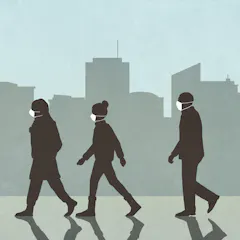
Two economists argue that people who believe the economy will turn around quickly have more incentive to quarantine.
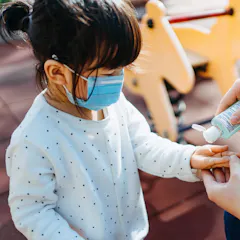
With COVID-19 cases rising in more than half of the states, the next two weeks are critical for stopping a spike in cases. An epidemiologist reminds us to get back to the basics now.
Top contributors
-

Scientia Professor of Economics, UNSW
-
Associate Professor, Epidemiology, Deakin University
-
Associate Professor of Health Policy and Management, Texas A&M University
-
Assistant Research Scientist, University of Michigan
-
Regents and Distinguished Professor of Environmental and Occupational Health, Texas A&M University
-
Associate Dean for Research and Professor of Health Policy and Management, Texas A&M University
-
Research Fellow, Center for Philosophy and History of Science, Boston University
-
Professor, Département des sciences de l'activité physique, Université du Québec à Montréal (UQAM)
-
Assistant Professor of Epidemiology and Biostatistics, University of Nevada, Las Vegas
-
Research Fellow, BehaviourWorks Australia, Monash Sustainable Development Institute, Monash University
-
Professor of Economics and Psychology, Carnegie Mellon University
-
Associate Professor, Sydney School of Public Health, University of Sydney
-
Assistant Professor of Biology, Providence College
-
Associate Professor in Environmental Engineering, UCL
-
Professor of Public Health, University of Otago