
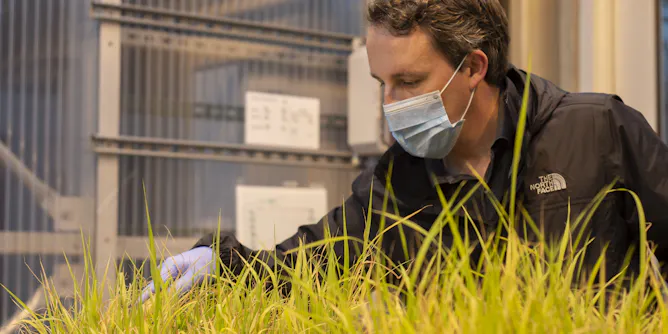
From fungi and flies to spiders and fish, living collections need care and feeding even when their human keepers are dealing with a pandemic and its resultant social distancing.
Articles on Social distancing
Displaying 201 - 220 of 300 articles
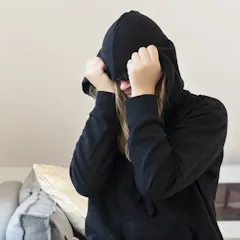
Together the social and emotional ‘jobs’ of adolescence – developing intimate friendships and achieving autonomy – make teens uniquely resistant to calls for social distancing.

A recent study suggested the coronavirus could spread up to four metres. But the evidence isn’t strong enough to suggest we should change social distancing advice from 1.5 metres.
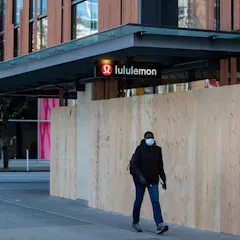
Canadians are living under a states of emergency, coping with a limping economy and social distancing as well as the stress of the pandemic itself. Many might be asking: when will it end?
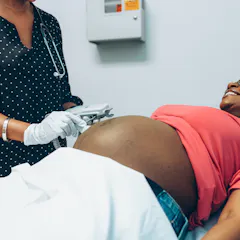
Measures put in place to curb the spread of COVID-19 may worsen the already poor access to quality maternal health services in parts of the continent.

Our relationships with characters from books and screen – called parasocial relationships – serve many of the same functions as our friendships with real people, minus the infection risks.

Noting nature around you – it could be a glance outside, tending plants, or ‘green’ exercise – will improve your well-being, research shows. The coronavirus pandemic has made it even more important.
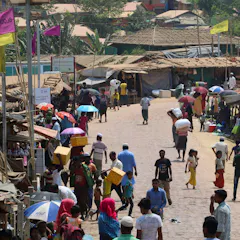
COVID-19 is spreading quickly in Bangladesh. An outbreak in the refugee camps that house some 1 million Rohingya Muslims in cramped, unsanitary quarters would be calamitous.
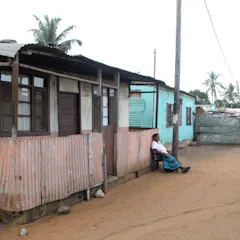
When restricting the movement of their citizens to slow down the spread of the COVID-19 pandemic, low income countries should tailor measures to local socio-economic circumstances.

Social media has become a virtual lifeline during the COVID-19 crisis. How people in isolation are using Zoom and other platforms goes against the notion that social media makes us more anti-social.

America’s news reports and social media chatter open a window into the nation’s psyche. An AI-based text analysis of these words shows that the coronavirus is driving up familiar social ills.

Policymakers need to figure out ways to sustain the behaviors that are helping flatten the curve as cities begin to end their lockdowns.
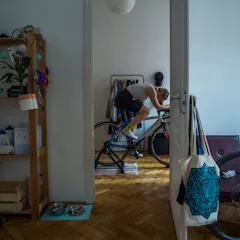
If you secretly want lockdown to last longer so you can achieve your goals, you’re not alone.
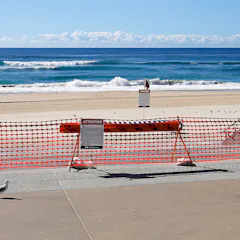
Scott Morrison said it will be at least four weeks before any of the current restrictions are eased. There are a few boxes we want to tick before we can start to take a foot off the pedal.

The UK has acted tactically to avert disaster – the basic problem has not been solved and there is no exit in sight. But there is a long-term prospect of things changing for the better.

The federal government wants Australians to sign up to the TraceTogether app, which logs your social interactions via bluetooth. But how much privacy will we sacrifice to combat COVID-19?

Current restrictions remind us of the value of access to public space and one another. Yet even before COVID-19 some people were excluded and targeted, so a return to the status quo isn’t good enough.
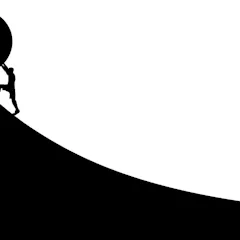
COVID-19 is a plague not merely on the happiness that comes with health and wealth, but also on the meaning in our lives.
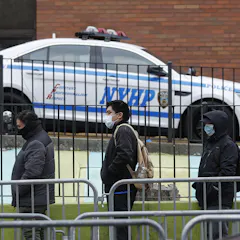
With officers being hit by illness, arrests have dropped during the coronavirus crisis. Meanwhile crime rates have remained static, or even fallen. Is it time to rethink policing?

Temporary use of land and buildings plays a role in the aftermath of crisis.
Top contributors
-

Scientia Professor of Economics, UNSW
-
Associate Professor, Epidemiology, Deakin University
-
Associate Professor of Health Policy and Management, Texas A&M University
-
Assistant Research Scientist, University of Michigan
-
Regents and Distinguished Professor of Environmental and Occupational Health, Texas A&M University
-
Associate Dean for Research and Professor of Health Policy and Management, Texas A&M University
-
Research Fellow, Center for Philosophy and History of Science, Boston University
-
Professor, Département des sciences de l'activité physique, Université du Québec à Montréal (UQAM)
-
Assistant Professor of Epidemiology and Biostatistics, University of Nevada, Las Vegas
-
Research Fellow, BehaviourWorks Australia, Monash Sustainable Development Institute, Monash University
-
Professor of Economics and Psychology, Carnegie Mellon University
-
Associate Professor, Sydney School of Public Health, University of Sydney
-
Assistant Professor of Biology, Providence College
-
Associate Professor in Environmental Engineering, UCL
-
Professor of Public Health, University of Otago