
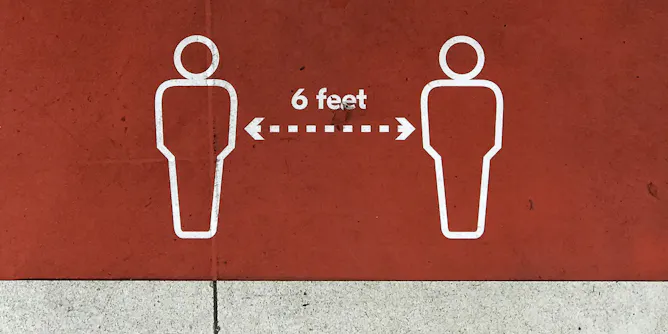
Right now, physical distancing is the most important preventive strategy we have against COVID-19. So why is it so hard for us to do what’s right?
Articles on Social distancing
Displaying 161 - 180 of 300 articles
Without clear guidelines from states or the feds on how to stay safe after reopening, it’s hard to know what to do. A doctor suggests things to consider in a park, at the beach and the pool.
COVID-19 patients are spending weeks in intensive care units, isolated and alone, knowing they have a disease that doctors don’t fully understand. It’s a recipe for post-traumatic stress disorder.
The US is slowly reopening, but the messages from governments are confusing. An expert offers guidance on many people’s first priority – connecting with loved ones.
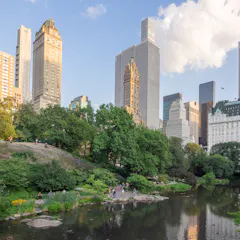
Frederick Law Olmsted, the designer of many great North American city parks, understood that ready access to nature made cities healthier places to live.
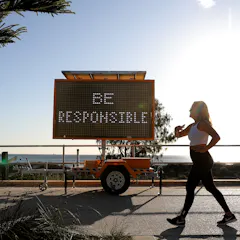
Government rules do more than simply define what is permissible. They also signal information that influences public behaviour in other areas of life.
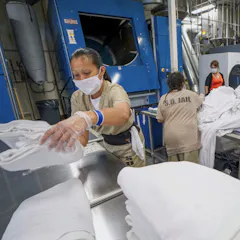
Amid the COVID-19 pandemic, missteps in transitioning the incarcerated back to their communities places this already vulnerable populace at greater risk of getting and transmitting the virus.
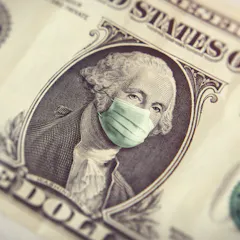
A new analysis tried to estimate Americans’ ‘willingness to pay’ based on the implied value of social distancing and other public intervention measures.

Recommendations around mask usage are confusing. The science isn’t. Evidence shows that masks are extremely effective to slow the coronavirus and may be the best tool available right now to fight it.
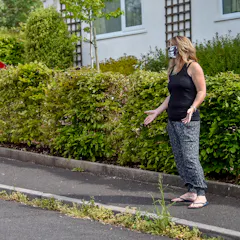
Will people keep social distancing now that the lock down is eased? Our research shows that what matters is people’s own motivation, not the threat of fines.
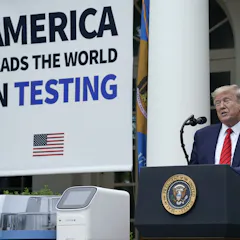
Some of the worst health performers in recent weeks have been ‘First World’.
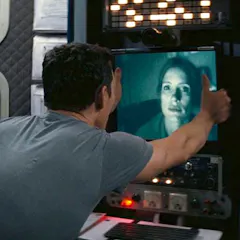
The Zoom boom means more work for you.
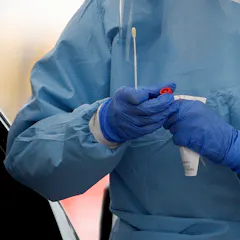
Test, trace, maintain social distance, and keep travel bans and quarantines in place. These measures will help Australia keep the coronavirus in check as we gradually emerge from lockdown hibernation.
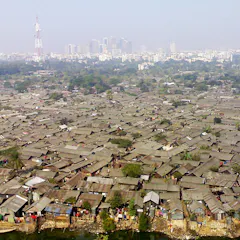
Many are speculating about the pandemic changing how we plan and use our cities. What they overlook is how many people live in unplanned settlements where it’s more likely to be business as usual.
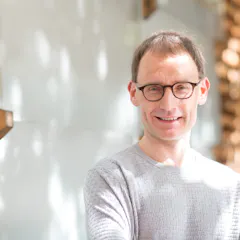
Lockdown requires that we all act as if we know nothing, even if we are world experts on disease transmission.
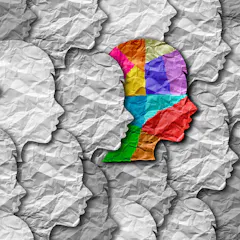
Many people with autism spectrum disorder have dealt with social isolation their entire lives. Their coping strategies could help the rest of the world right now, as a professor with ASD explains.
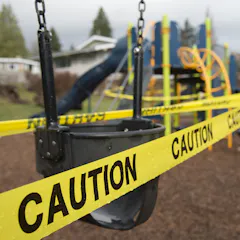
One father was fined for rollerblading with kids in a parking lot, while other families hit the cottage. Families’ backyard or property status should not determine kids’ right to outdoor play.

When urban spaces work well they are highly social spaces. How do we safely manage them and people’s fears about mingling when ‘being together but apart’ is the norm?
What are the moral considerations in making the decision to reopen society while mitigating the risk of infections spreading? We asked a philosophy scholar to walk us through the quandary.
An addiction psychiatrist explains why smoking raises the risks from COVID-19 and how to quit.
Top contributors
-

Scientia Professor of Economics, UNSW
-
Associate Professor, Epidemiology, Deakin University
-
Associate Professor of Health Policy and Management, Texas A&M University
-
Assistant Research Scientist, University of Michigan
-
Regents and Distinguished Professor of Environmental and Occupational Health, Texas A&M University
-
Associate Dean for Research and Professor of Health Policy and Management, Texas A&M University
-
Research Fellow, Center for Philosophy and History of Science, Boston University
-
Professor, Département des sciences de l'activité physique, Université du Québec à Montréal (UQAM)
-
Assistant Professor of Epidemiology and Biostatistics, University of Nevada, Las Vegas
-
Research Fellow, BehaviourWorks Australia, Monash Sustainable Development Institute, Monash University
-
Professor of Economics and Psychology, Carnegie Mellon University
-
Associate Professor, Sydney School of Public Health, University of Sydney
-
Assistant Professor of Biology, Providence College
-
Associate Professor in Environmental Engineering, UCL
-
Professor of Public Health, University of Otago