
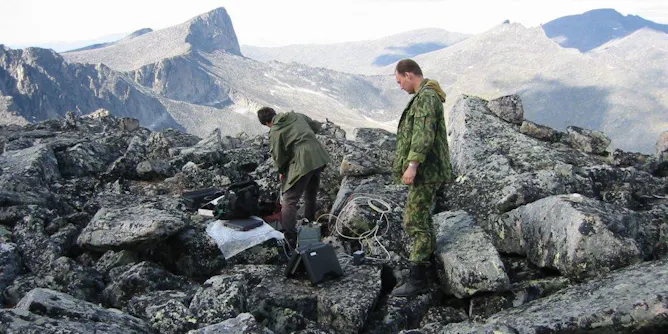
Human-induced earthquakes have been reported from every continent except Antarctica. We asked a geologist to investigate whether North Korea’s nuclear tests could trigger geological changes.
Articles on Seismology
Displaying 61 - 80 of 98 articles
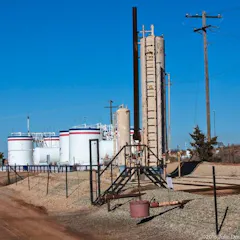
As global demand for energy and mineral supplies increases worldwide, the number of man‑made earthquakes is expected to rise. That increases the importance of understanding connection between the two.
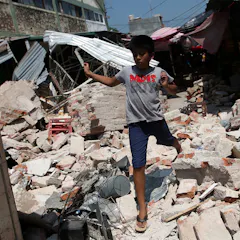
The Tehuantepec gap in southeastern Mexico, where this month’s massive earthquake originated, was long thought to be ‘aseismic.’ On September 7, scientists learned otherwise.
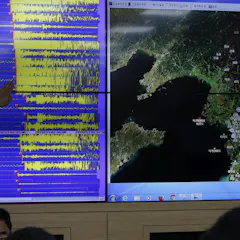
Within hours of North Korea’s latest underground nuclear test, Japan and South Korea were both able to independently confirm it had happened. How?
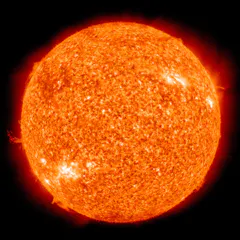
Gravity waves recorded in the sun for the first time reveal some interesting facts.
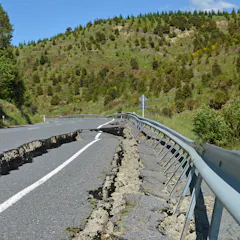
Research into the 2016 Kaikoura quake revealed a domino effect that could change our understanding of seismic events worldwide.

Recent research contradicts the belief that a period of calm usually follows a serious earthquake.
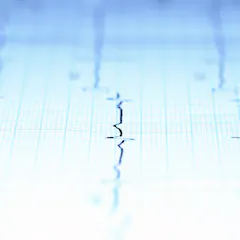
Potentially deadly and dangerous earthquakes can strike at any time. But can authorities get some early warning from monitoring the hundreds of small quakes that usually go unnoticed?

Sonification is a technique for converting data into sound. It could transform the study of distant worlds.
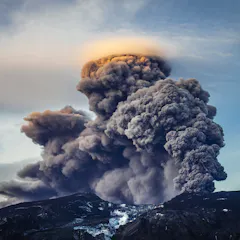
One of Iceland’s most active volcanoes is showing signs of waking up after nearly 100 years.

Scientists in Japan have discovered a way to ‘hear’ storms on the other side of the planet and use them to study the Earth’s crust.
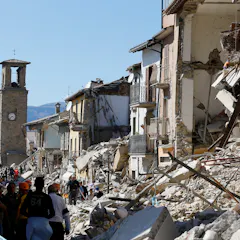
There are already early warning systems for earthquakes, but advances in seismology provide hope that experts will be able to predict when new ones will occur.
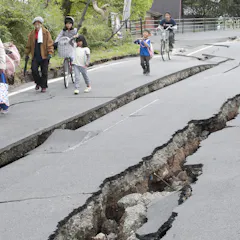
When two major earthquakes occur within days of each other thousands of kilometres apart, it can look like they’re connected. But are they? Here’s what the science says.
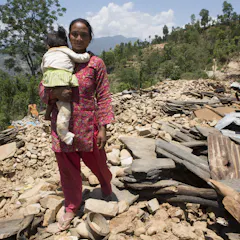
New research shows the earthquake that struck central Nepal in April this year was only a partial rupture of the fault line, meaning another strong quake could be due in future.
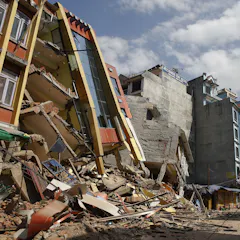
Retrofitting old or cheap houses with earthquake protection is often expensive and laborious. What if we could save whole streets at a time?

How studying the injection technique involved in fracking also tells us something about earthquakes.
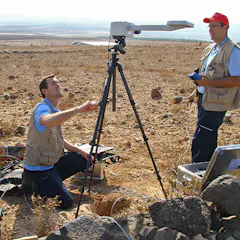
For seismologists, there’s much to be learned after a major earthquake, as aftershocks help them map out the fault with high precision. More data now can prepare a region for its next big one.
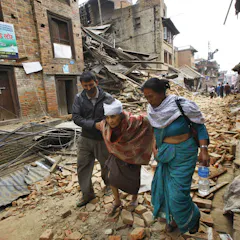
Nepal may have had a well-known history of earthquakes but predicting when and where a major seismic event will strike is an ongoing challenge.
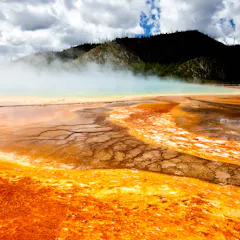
Earthquake analysis could help us understand the deep structure of volcanoes.
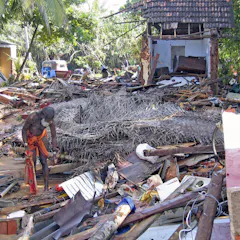
Ten years ago we witnessed one of the worst natural disasters in history, when a huge earthquake off the coast of Sumatra triggered a devastating tsunami which swept across the Indian Ocean. An estimated…
Top contributors
-

Professor of Earthquake Science, The University of Melbourne
-
Earthquake Scientist, Monash University
-
Professor, Head of Geophysics, Director of Warramunga Array, Australian National University
-
Reader in Physical Geography and Natural Hazards, Coventry University
-
Professor of Geophysics and Department Head, Colorado State University
-
Research chair, University of the Witwatersrand
-
Professor, Australian National University
-
Professor in Earth Sciences, Nanyang Technological University, Singapore, and Emeritus Professor of Mineral Physics, University of Cambridge
-
Professor of Planetary Geosciences, The Open University
-
ARC DECRA Fellow in Geophysics, Australian National University
-
Research Fellow in Computational Seismology, UCL
-
Associate Professor in Global Seismology, University of Bristol
-
Ph.D. Candidate in Earth and Planetary Sciences, Northwestern University
-
PhD Candidate, School of Earth Sciences, University of Bristol
-
Professor, School of Geography, Environment and Earth Sciences, Te Herenga Waka — Victoria University of Wellington