
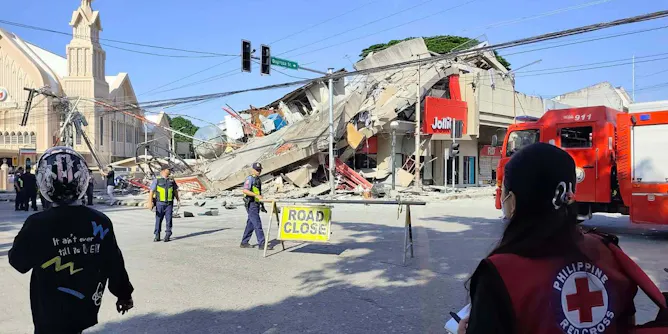
A full-scale earthquake test suggests a new generation of low-carbon timber-based buildings could remain usable after major shaking.
Articles on Seismic waves
Displaying all articles
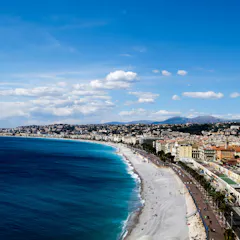
A tsunami risk in the Mediterranean is real. Coastal towns like Nice can get “Tsunami ready” by coordinating fast, effective preventive and awareness-raising efforts.

Elephants can be viewed as geological engineers that create minor tectonic forces on the substrate they walk on.
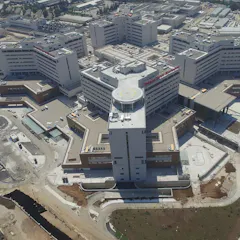
February earthquakes wreaked havoc across Turkey and Syria, killing tens of thousands of people. An engineer originally from Turkey describes what kept some buildings functional while others collapsed.
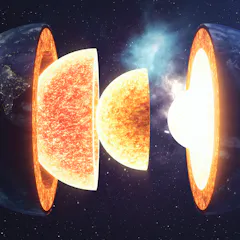
Earth doesn’t just have an inner core. It also has an innermost inner core, a solid ball within the solid ball in the very middle of the planet.
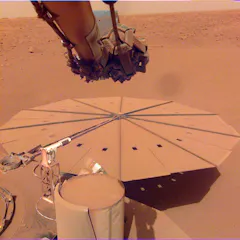
A team of scientists have found a surprising amount of water ice on Mars.
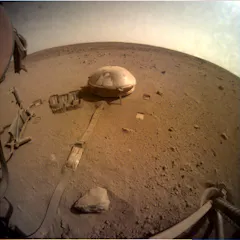
In an extraterrestrial first, scientists have linked seismic waves on Mars to meteorite impact craters spotted via satellite.

African elephants stay in touch over large distances. We found out how.
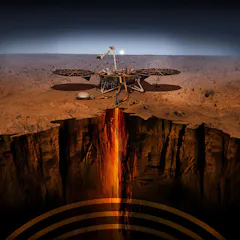
The Perseverance rover’s landing could help reveal secrets of Mars’ interior.
New research confirms that massive plumes of buoyant hot rock once rose from near the Earth’s core to the surface and triggered vast volcanic eruptions - and that New Zealand sits on top of one.
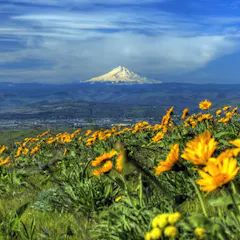
A new array of seismometers provides a glimpse of what’s happening deep beneath this geologic fault. New data help explain why the north and south of the region are more seismically active than the middle.
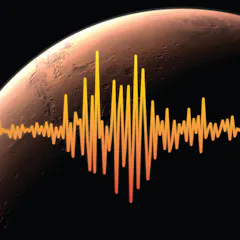
What is Mars made of? We hear from a scientist who will be part of the team analysing ‘marsquake’ seismic data and orbital imagery from the InSight mission to the red planet.
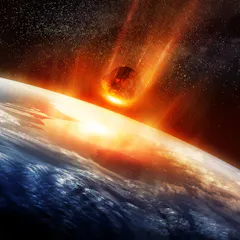
Research suggests a new threat to life on Earth from the meteorite’s crash: Via seismic waves, the impact triggered massive undersea eruptions, as big as any ever seen in our planet’s history.
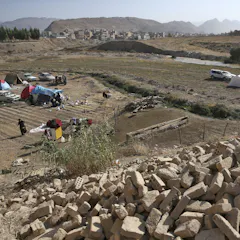
The Nov. 12 earthquake wasn’t centered on any known major faults in the Earth’s crust. In its wake, scientists will collect data to add detail to what they know about seismic activity in the area.
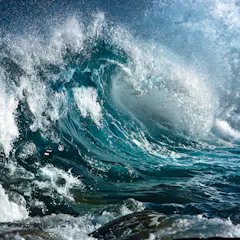
Scientists in Japan have discovered a way to ‘hear’ storms on the other side of the planet and use them to study the Earth’s crust.
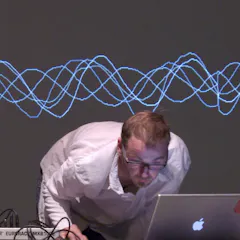
We find them at the beach, in every sound and light show, the miracle of wi-fi and now in the fabric of space-time itself. But what exactly is a wave?
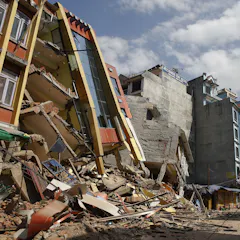
Retrofitting old or cheap houses with earthquake protection is often expensive and laborious. What if we could save whole streets at a time?
Japan has the most powerful seismic network in the world. And this network is throwing out some warning signs.
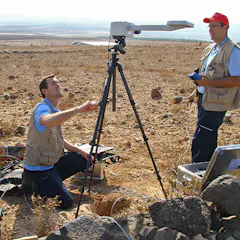
For seismologists, there’s much to be learned after a major earthquake, as aftershocks help them map out the fault with high precision. More data now can prepare a region for its next big one.
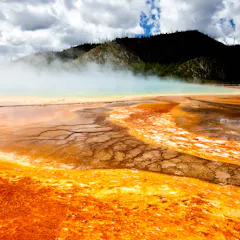
Earthquake analysis could help us understand the deep structure of volcanoes.
Top contributors
-

Junior fellow, University of Oxford
-
ARC Future Fellow, School of Earth and Planetary Sciences, Curtin University
-
PhD Student in Earth Sciences, University of Oregon
-
Civil Engineering Subject Leader, School of Environment and Technology, University of Brighton
-
Assistant Professor of Earth Sciences, University of Oregon
-
Postdoctoral Associate of Earth Sciences, University of Minnesota
-
Associate Professor in Geophysics, Johannes Gutenberg University of Mainz
-
Professor of Earth Sciences, University of Oregon
-
Associate Professor of Geophysics, University of Florida
-
Ph.D. Candidate in Earth and Planetary Sciences, Northwestern University
-
PhD researcher in Volcanology, UCL
-
Associate Professor of Civil Engineering, University of Virginia
-
ARC DECRA Fellow in Geophysics, Australian National University
-
Emeritus Professor of Geophysics, Te Herenga Waka — Victoria University of Wellington
-
Professor, Head of Geophysics, Director of Warramunga Array, Australian National University