
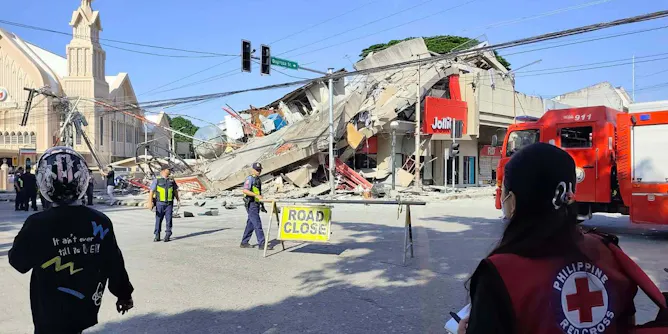
A full-scale earthquake test suggests a new generation of low-carbon timber-based buildings could remain usable after major shaking.
Articles on Earthquake risk
Displaying all articles
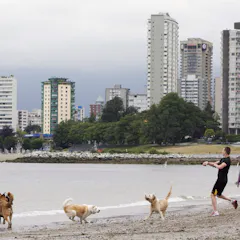
Modern engineering practices explicitly design concrete to be more resilient to earthquakes, but older buildings predate such practices. That makes them especially vulnerable.
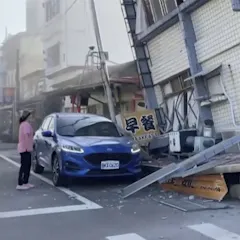
We can’t rule out the possibility today’s earthquake was not even the biggest event in this sequence, although as time passes the likelihood of a larger associated event decreases.
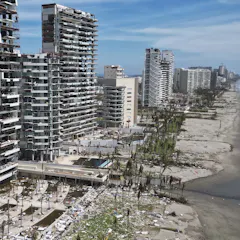
The best science is not always the best engineering when it comes to building codes. It’s also a problem across the US, as an engineer who works on disaster resilience explains.

Cities and towns have been devastated by the impact of the 6.8 magnitude quake – the largest recorded in the country’s history.

The idea that scientists could warn a region that a big quake was coming at a certain time – with enough advance notice for large-scale preparation and evacuation – remains a dream, not a reality.
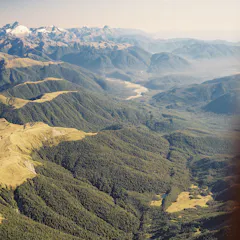
We may never know exactly when the next big quake will hit – but we can have a pretty good idea of the odds.

Disasters such as the earthquake affecting Turkey and Syria are always worse when there is bad blood between the countries involved.
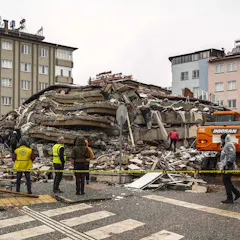
When Monday’s earthquake struck, many poorly constructed buildings suffered a ‘pancake mode’ collapse.
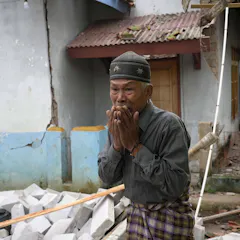
The Java quake was so devastating in part because it occurred so close to the surface.
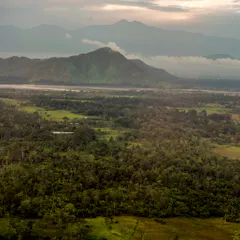
Oral histories talk about a major tectonic event 250 years ago, which changed the course of a river flowing through Lae today.
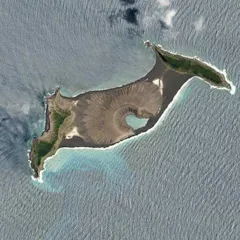
Future events could damage the critical portion of the undersea network which links to Australia.

When will the next earthquake come? We don’t know, but that doesn’t mean we can’t get our cities ready.
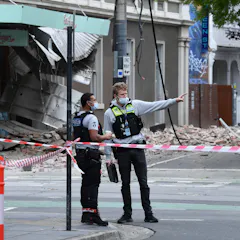
A largely hidden fault beneath the Victorian Alps has triggered a magnitude 5.8 quake that was felt as far afield as Sydney, Adelaide and Launceston. Here’s what we know so far.
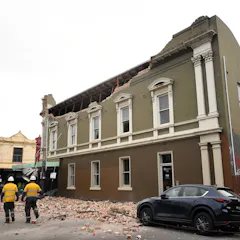
The geological record tells us we have had earthquakes in Australia’s deeper past much larger — possibly up to and bigger than magnitude 7.0.
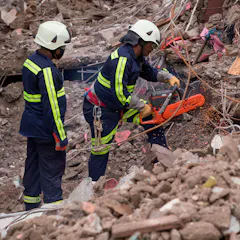
A seismic network was put in place after the 2010 quake but, despite recording two ‘strong motions’ before August 14, no alerts went out.

CC BY-NC-ND13.2 MB (download)
Earthquakes can be caused by human, or seismic, activity. Is South Africa adequately prepared?
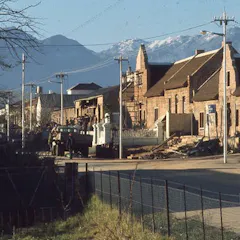
There are three important issues to consider when thinking about quakes: what causes them; how to prepare and plan for them; and, how to move on after a damaging quake.
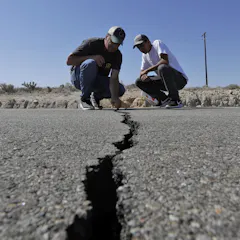
Engineers know how and where to build to minimize earthquake damage. But laws don’t always reflect that wisdom. A new study suggests it’s because of a mismatch between risk perceptions and reality.
Top contributors
-

Earthquake Scientist, Monash University
-
Professor of Earthquake Science, The University of Melbourne
-
Professor, Australian National University
-
Senior Seismologist, Geoscience Australia
-
Research chair, University of the Witwatersrand
-
Senior research scientist, Badan Riset dan Inovasi Nasional (BRIN)
-
Seismologist, GNS Science
-
Professor of Disasters and Health, UCL
-
Professor of Seismology and Geohazards, University of Washington
-
Senior Lecturer in Structural Design - Program Director for Architectural Engineering, University of Liverpool
-
Professor of Engineering, University at Buffalo
-
PhD Candidate, Earth Sciences, Australian National University
-
Associate Professor, Structural & Earthquake Engineering, University of British Columbia
-
Marie Skłodowska-Curie Fellow, Civil Environmental and Geomatic Engineering, UCL
-
Université catholique de Louvain (UCLouvain)